THE ADVENTURE COLLECTIVE® · Independent discovery and booking for outdoor travel

Traverse the High Atlas, walk Ait Ben Haddou’s clay alleys, and ride camels across Erg Chebbi for a night under the stars. This three-day Marrakech-to-Sahara route blends film-set history, Berber culture, and a genuine desert camp experience.
Traverse the High Atlas, walk Ait Ben Haddou’s clay alleys, and ride camels across Erg Chebbi for a night under the stars. This three-day Marrakech-to-Sahara route blends film-set history, Berber culture, and a genuine desert camp experience.
You crest the last ridge and the dunes open like a moving ocean: wind-smoothed ridgelines, a banded sunset, and a caravan of camels stepping slow across the sand. The air cools quickly after dark and stars push themselves into view, each one sharp against total silence.
Verified experiences and guided adventures in the surrounding area.
Operated by Red City Tours Marrakech · Merzouga, Drâa-Tafilalet
You crest the last ridge and the dunes open like a moving ocean: wind-smoothed ridgelines, a banded sunset, and a caravan of camels stepping slow across the sand. The air cools quickly after dark and stars push themselves into view, each one sharp against total silence.
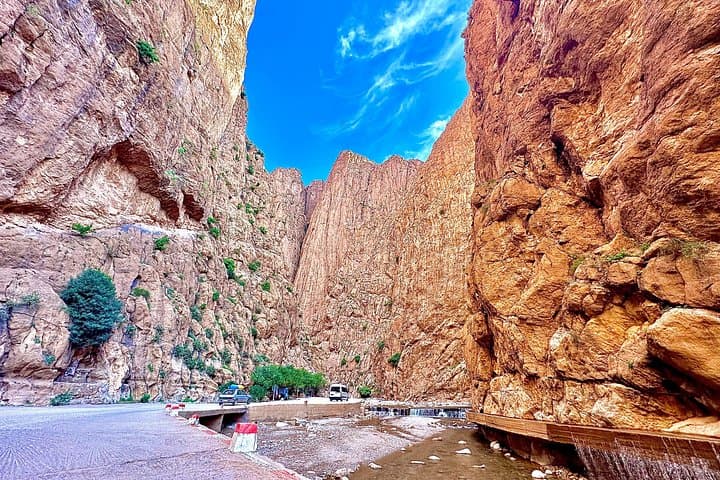
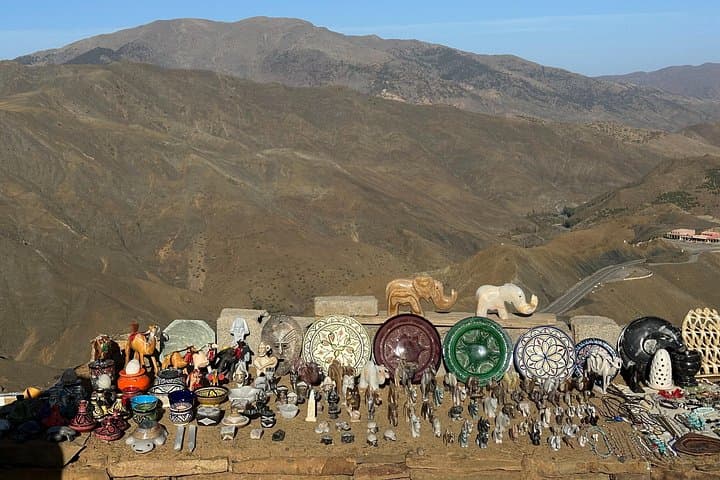
This three-day route threads the High Atlas (Tizi n'Tichka pass tops 2,260 m), the red-earth kasbahs of Ait Ben Haddou, and the cinematic flatlands around Ouarzazate before arriving at Erg Chebbi—Morocco’s most accessible saharan erg. Geologically, the Erg Chebbi dunes are wind-built mounds of quartz sand that shift seasonally; culturally, the corridor links Berber villages and long-standing traditions of caravan trade and oasis agriculture. Stops include the mud-brick alleys of Ait Ben Haddou (a UNESCO site), brief views of Atlas Film Studios, the rose-scented cooperatives of the Valley of Roses, and the palm-lined Todgha Gorges.
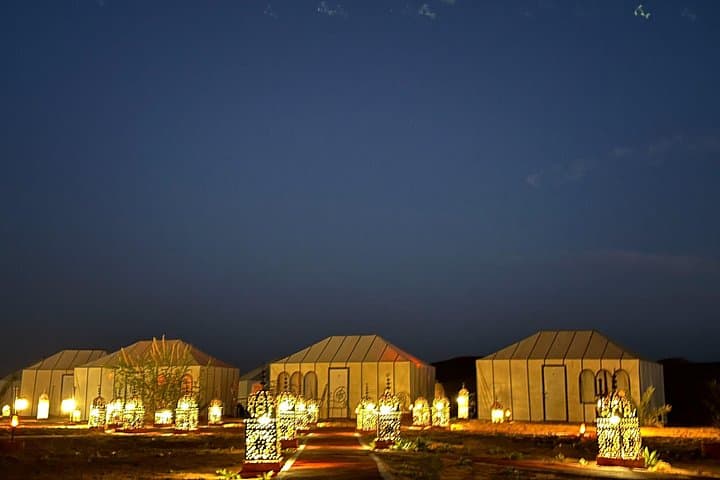
Practically: expect long drives punctuated by short walks and photo stops. The camel trek to camp is roughly 1–1.5 hours and timed for sunset; sunrise rides return you to the vehicle. Luxury camps offer private tents and facilities, while standard shared tents are more rustic. Bring layered clothing for cold desert nights, sun protection for daytime, sturdy closed-toe shoes for rocky stops, and at least 2–3 liters of water per day. Weather and occasional flash floods can alter overnight locations, so pack flexible plans and travel insurance. With basic planning—hydration, shade, and respectful dress—you’ll trade Marrakech’s bustle for an elemental desert night under the stars.
moderate.
3 days.
Suitable for travelers in reasonable health: involves long vehicle transfers, a 1–1.5 hour camel ride, short hikes, and standing at viewpoints.
Yes—hotel or riad pickup and drop-off in Marrakech are included in the tour price.
The typical camel trek to the desert camp is about 1 to 1.5 hours one-way, scheduled for sunset on day two and sunrise return on day three.
Two dinners and two breakfasts are included; the itinerary includes one hotel/riad night and one or two nights in a desert camp depending on the package chosen.
Yes—private luxury tents and optional activities (jeep excursions, quad biking, sandboarding) are available on request but should be booked in advance and may incur extra fees.
The route links centuries-old Berber trade routes, mud-brick kasbah architecture, and a modern film history centered in Ouarzazate—many international movies used these landscapes as sets.
Water scarcity and fragile desert soils mean visitors should use refillable bottles, avoid off-track driving on dunes, and support local cooperatives to keep tourism sustainable.
Red City Tours Marrakech operates guided outdoor trips and adventures with an emphasis on safety, stewardship, and memorable experiences.
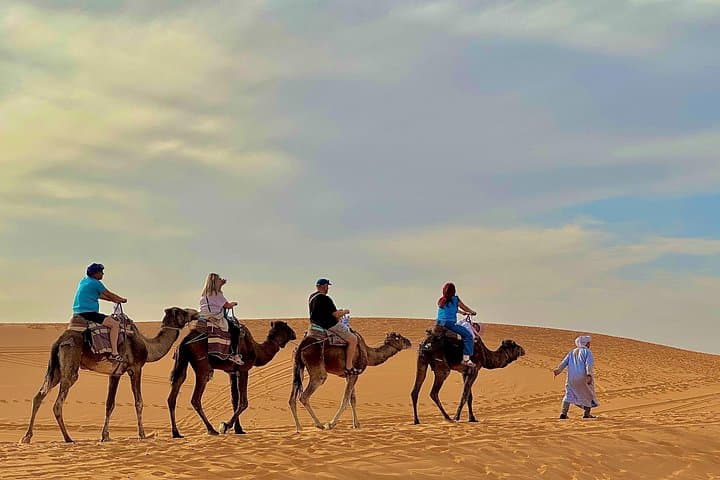
You crest the last ridge and the dunes open like a moving ocean: wind-smoothed ridgelines, a banded sunset, and a caravan of camels stepping slow across the sand. The air cools quickly after dark and stars push themselves into view, each one sharp against total silence.
You crest the last ridge and the dunes open like a moving ocean: wind-smoothed ridgelines, a banded sunset, and a caravan of camels stepping slow across the sand. The air cools quickly after dark and stars push themselves into view, each one sharp against total silence.
This three-day route threads the High Atlas (Tizi n'Tichka pass tops 2,260 m), the red-earth kasbahs of Ait Ben Haddou, and the cinematic flatlands around Ouarzazate before arriving at Erg Chebbi—Morocco’s most accessible saharan erg. Geologically, the Erg Chebbi dunes are wind-built mounds of quartz sand that shift seasonally; culturally, the corridor links Berber villages and long-standing traditions of caravan trade and oasis agriculture. Stops include the mud-brick alleys of Ait Ben Haddou (a UNESCO site), brief views of Atlas Film Studios, the rose-scented cooperatives of the Valley of Roses, and the palm-lined Todgha Gorges.
Practically: expect long drives punctuated by short walks and photo stops. The camel trek to camp is roughly 1–1.5 hours and timed for sunset; sunrise rides return you to the vehicle. Luxury camps offer private tents and facilities, while standard shared tents are more rustic. Bring layered clothing for cold desert nights, sun protection for daytime, sturdy closed-toe shoes for rocky stops, and at least 2–3 liters of water per day. Weather and occasional flash floods can alter overnight locations, so pack flexible plans and travel insurance. With basic planning—hydration, shade, and respectful dress—you’ll trade Marrakech’s bustle for an elemental desert night under the stars.