THE ADVENTURE COLLECTIVE® · Independent discovery and booking for outdoor travel

A compact, well-paced three-day circuit from Marrakech across the High Atlas into the Sahara: film-set ksars, dramatic gorges, oasis palms and a sunset camel trek to a desert camp. Ideal for travelers who want cultural immersion without marathon drives.
A compact, well-paced three-day circuit from Marrakech across the High Atlas into the Sahara: film-set ksars, dramatic gorges, oasis palms and a sunset camel trek to a desert camp. Ideal for travelers who want cultural immersion without marathon drives.
You leave Marrakech before dawn, tires whispering across the Tizi n’Tichka as the High Atlas wakes in bands of light. The road climbs, hairpins folding the valley into view; wind sculpts the roadside stones and the air thins enough that the silhouette of Ait Ben Haddou sits like an ancient watchtower against the sky.
Verified experiences and guided adventures in the surrounding area.
Operated by Come To Morocco · Marrakech, Marrakesh-Safi
You leave Marrakech before dawn, tires whispering across the Tizi n’Tichka as the High Atlas wakes in bands of light. The road climbs, hairpins folding the valley into view; wind sculpts the roadside stones and the air thins enough that the silhouette of Ait Ben Haddou sits like an ancient watchtower against the sky.
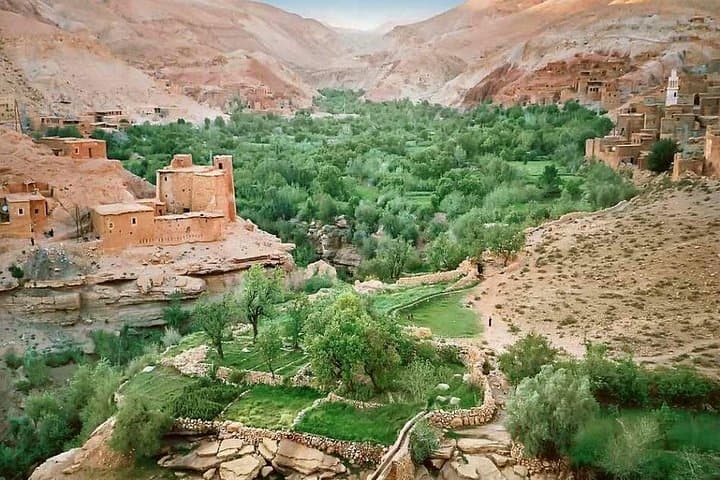
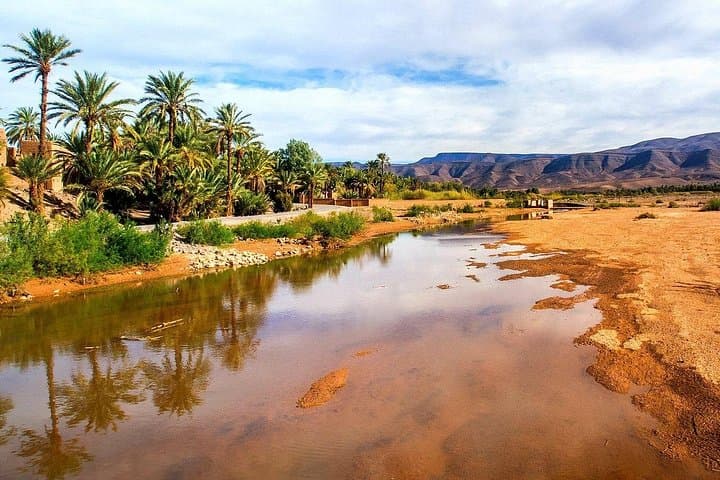
This three-day loop threads geology, history and living culture: granite and red sandstone folded into the Atlas, the mud-brick architecture of ksars that once guarded trans‑Saharan trade routes, and palm-lined oases in the Draa that still pulse with date cultivation. Berber villages and kasbahs—Taourirt, Tamnougalt, Nkob’s stacked fortresses—tell human stories of trade, film crews and centuries of seasonal migration.
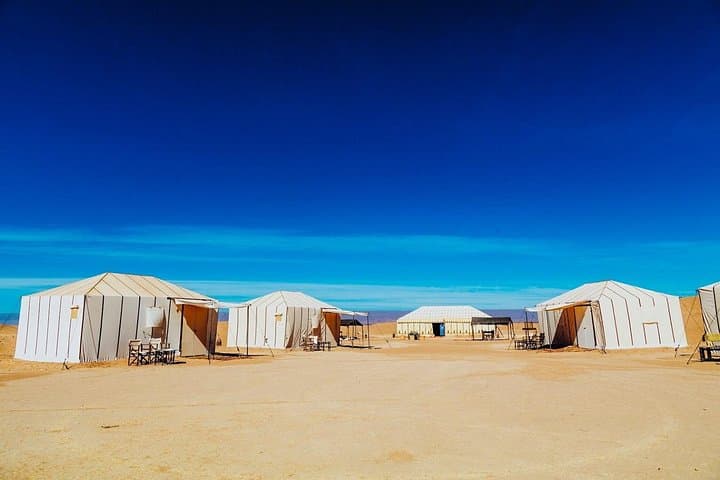
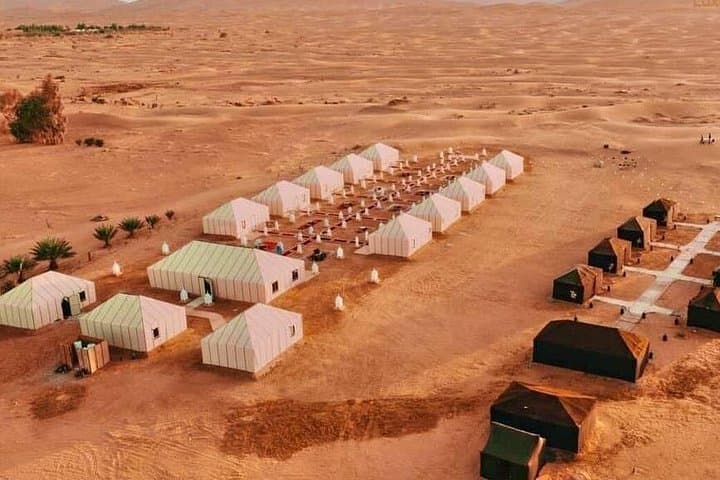
Expect long but scenic drives (4–5 hours on travel days), short hikes in Dades Gorges, and a guided camel trek over the Tinfou dunes at sunset. Nights alternate between boutique hotels and a desert bivouac under open sky; camps focus on simple comforts—blankets, shared meals, and a fire where musicians and storytellers gather.
Practical notes: pack layers for big diurnal swings, carry at least 2–3 liters of water per day, and bring sun protection and sturdy footwear for loose sand and rocky trails. Be ready for basic facilities at the bivouac and intermittent phone service. Travel with respect—support local guides, minimize single‑use plastics, and stick to established tracks so the fragile desert can keep daring you back for another visit.
moderate.
3 days.
Moderate fitness: able to manage several hours of travel, short hikes on uneven terrain, and mounting/dismounting camels.
The camel trek to the bivouac is short (typically 45–90 minutes) and at a walking pace; handlers assist mounting and dismounting, but if you have severe back problems this may not be suitable.
Yes—two dinners and three breakfasts are provided, with hotel nights and one night in a desert bivouac on half-board as noted in the itinerary.
Expect intermittent phone signals outside main towns; desert camps provide basic lighting and sometimes a charging point, but bring power banks for off-grid use.
Children can join but infants must sit on laps; travelers with significant mobility or cardiovascular issues are not recommended due to long drives and camel riding.
The route follows parts of ancient trans‑Saharan corridors where caravans traded salt and dates; Ait Ben Haddou and local kasbahs show centuries of earth‑brick defensive architecture.
Water is scarce—carry reusable bottles and avoid single‑use plastics; stick to established tracks and respect campfire rules to protect fragile dune and oasis habitats.
Come To Morocco operates guided outdoor trips and adventures with an emphasis on safety, stewardship, and memorable experiences.
You leave Marrakech before dawn, tires whispering across the Tizi n’Tichka as the High Atlas wakes in bands of light. The road climbs, hairpins folding the valley into view; wind sculpts the roadside stones and the air thins enough that the silhouette of Ait Ben Haddou sits like an ancient watchtower against the sky.
You leave Marrakech before dawn, tires whispering across the Tizi n’Tichka as the High Atlas wakes in bands of light. The road climbs, hairpins folding the valley into view; wind sculpts the roadside stones and the air thins enough that the silhouette of Ait Ben Haddou sits like an ancient watchtower against the sky.
This three-day loop threads geology, history and living culture: granite and red sandstone folded into the Atlas, the mud-brick architecture of ksars that once guarded trans‑Saharan trade routes, and palm-lined oases in the Draa that still pulse with date cultivation. Berber villages and kasbahs—Taourirt, Tamnougalt, Nkob’s stacked fortresses—tell human stories of trade, film crews and centuries of seasonal migration.
Expect long but scenic drives (4–5 hours on travel days), short hikes in Dades Gorges, and a guided camel trek over the Tinfou dunes at sunset. Nights alternate between boutique hotels and a desert bivouac under open sky; camps focus on simple comforts—blankets, shared meals, and a fire where musicians and storytellers gather.
Practical notes: pack layers for big diurnal swings, carry at least 2–3 liters of water per day, and bring sun protection and sturdy footwear for loose sand and rocky trails. Be ready for basic facilities at the bivouac and intermittent phone service. Travel with respect—support local guides, minimize single‑use plastics, and stick to established tracks so the fragile desert can keep daring you back for another visit.