THE ADVENTURE COLLECTIVE® · Independent discovery and booking for outdoor travel

Traverse the High Atlas, wander UNESCO-listed Ait Ben Haddou, walk Todra Gorge and sleep beneath the stars at Erg Chebbi. This three-day desert circuit pairs geology and Berber culture with practical, easy-paced travel.
Traverse the High Atlas, wander UNESCO-listed Ait Ben Haddou, walk Todra Gorge and sleep beneath the stars at Erg Chebbi. This three-day desert circuit pairs geology and Berber culture with practical, easy-paced travel.
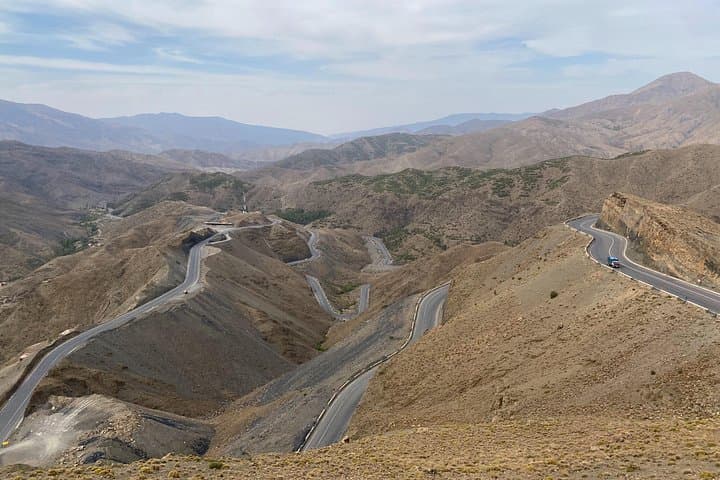
You pull away from Marrakech before dawn and the city’s last lights fade into a sea of ochre and basalt. The road climbs the Tichka Pass to 2,260 m, and the High Atlas rolls out in serrated ridges; the air sharpens, the world widens, and by late afternoon you’ll be standing on sun-warmed kasbah stones watching the valley below.
Verified experiences and guided adventures in the surrounding area.
Operated by Morocco Countryside Tours · Marrakech, Marrakech-Safi
You pull away from Marrakech before dawn and the city’s last lights fade into a sea of ochre and basalt. The road climbs the Tichka Pass to 2,260 m, and the High Atlas rolls out in serrated ridges; the air sharpens, the world widens, and by late afternoon you’ll be standing on sun-warmed kasbah stones watching the valley below.
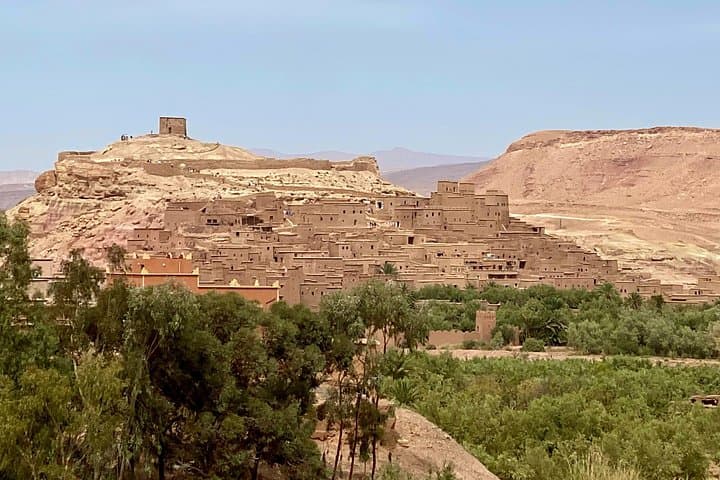
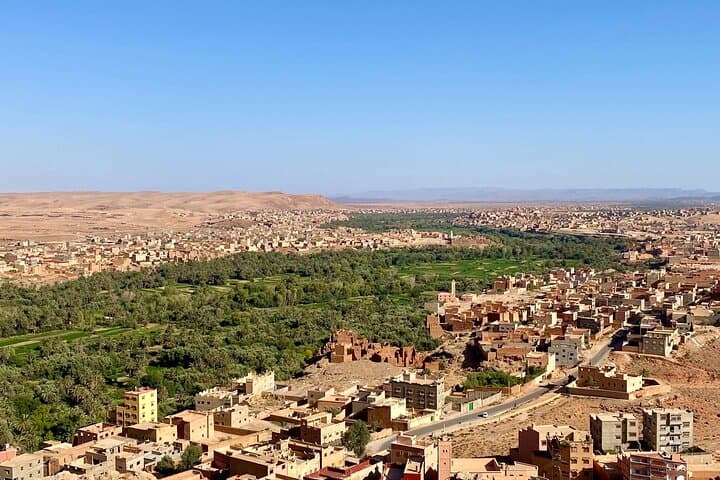
This route stitches together layers of history and geology: Ait Ben Haddou’s mud-brick houses mark ancient caravan lines and now a UNESCO film set, the Rose Valley records cultivation in an arid landscape, and Erg Chebbi’s wind-shaped dunes are relics of changing sands that once covered the basin. Berber families shaped life here for centuries—music, tea etiquette and tent-building traditions still guide evening camp life.
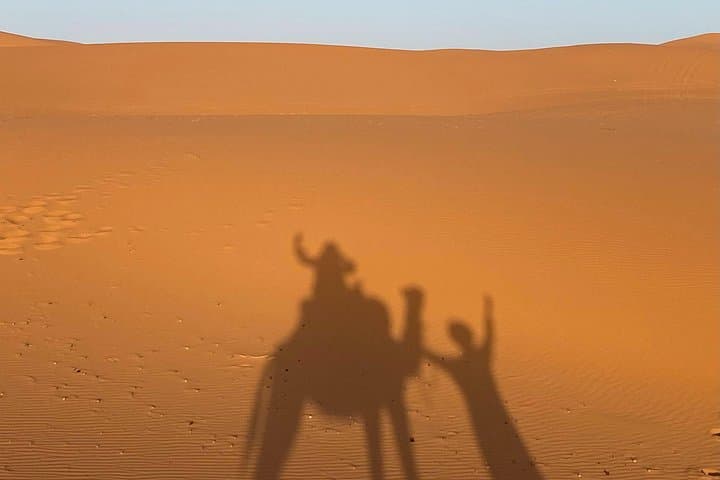
Expect varied terrain: paved mountain passes, palm-lined oasis roads, narrow gorges at Todra, and the loose sand of Merzouga’s dunes that rises 100–150 meters above the plain. The desert challenges you differently—cold nights, hot afternoons, and wind that sculpts and unseats a path beneath your boots.
Practical guidance: travel light but bring layers for 20–30°C swings, carry at least 2–3 liters of water per day, and choose closed-toe shoes for canyon walks and dune treks. Sunrise and sunset in the dunes are the best photo windows—plan camel rides or short 4x4 trips accordingly. Cash is useful in small towns; respect local customs and follow guide instructions around campfires. This three-day loop is low on technical difficulty but rich in contrasts—mountain air, kasbah alleys and a night under the desert sky.
easy.
3 days.
Suitable for travelers in general good health; minimal hiking and mostly vehicle transfers with short walks
Yes—the itinerary is vehicle-based with short, easy walks; camps and hotels provide basic comfort, but discuss mobility or medical needs when booking.
No special permits for the route itself; Ait Ben Haddou and some sites may have small entry fees—your guide will advise on-site.
Expect multiple hours of driving between sights—mountain passes and desert roads can be slow; the tour balances transit with stops at key viewpoints.
Yes—local operators typically handle dietary requests, but notify them in advance to ensure suitable meals at camps and riads.
The High Atlas and Draa corridor have long been trade routes connecting sub-Saharan caravans to Atlantic-plain markets; Ait Ben Haddou grew as a fortified caravan stop and later a film location.
The Sahara’s fragile soils and scarce water mean camps and visitors should minimize waste, stick to tracks, and support local operators who employ sustainable fuel and water practices.
Morocco Countryside Tours operates guided outdoor trips and adventures with an emphasis on safety, stewardship, and memorable experiences.
You pull away from Marrakech before dawn and the city’s last lights fade into a sea of ochre and basalt. The road climbs the Tichka Pass to 2,260 m, and the High Atlas rolls out in serrated ridges; the air sharpens, the world widens, and by late afternoon you’ll be standing on sun-warmed kasbah stones watching the valley below.
You pull away from Marrakech before dawn and the city’s last lights fade into a sea of ochre and basalt. The road climbs the Tichka Pass to 2,260 m, and the High Atlas rolls out in serrated ridges; the air sharpens, the world widens, and by late afternoon you’ll be standing on sun-warmed kasbah stones watching the valley below.
This route stitches together layers of history and geology: Ait Ben Haddou’s mud-brick houses mark ancient caravan lines and now a UNESCO film set, the Rose Valley records cultivation in an arid landscape, and Erg Chebbi’s wind-shaped dunes are relics of changing sands that once covered the basin. Berber families shaped life here for centuries—music, tea etiquette and tent-building traditions still guide evening camp life.
Expect varied terrain: paved mountain passes, palm-lined oasis roads, narrow gorges at Todra, and the loose sand of Merzouga’s dunes that rises 100–150 meters above the plain. The desert challenges you differently—cold nights, hot afternoons, and wind that sculpts and unseats a path beneath your boots.
Practical guidance: travel light but bring layers for 20–30°C swings, carry at least 2–3 liters of water per day, and choose closed-toe shoes for canyon walks and dune treks. Sunrise and sunset in the dunes are the best photo windows—plan camel rides or short 4x4 trips accordingly. Cash is useful in small towns; respect local customs and follow guide instructions around campfires. This three-day loop is low on technical difficulty but rich in contrasts—mountain air, kasbah alleys and a night under the desert sky.