THE ADVENTURE COLLECTIVE® · Independent discovery and booking for outdoor travel

A three-day circuit from Marrakech that crosses the High Atlas, visits Ait Benhaddou and Todra and Dades gorges, then delivers a night under the stars at Merzouga's Erg Chebbi. Expect long drives, short hikes, and a camel trek to a nomad camp for sunset and sunrise.
A three-day circuit from Marrakech that crosses the High Atlas, visits Ait Benhaddou and Todra and Dades gorges, then delivers a night under the stars at Merzouga's Erg Chebbi. Expect long drives, short hikes, and a camel trek to a nomad camp for sunset and sunrise.
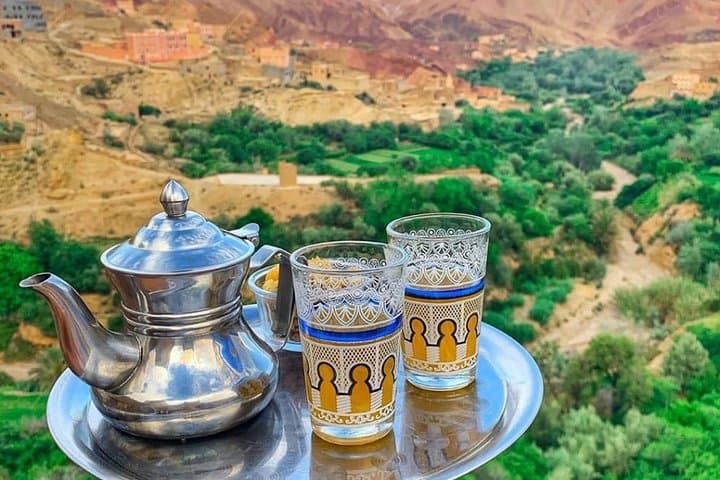
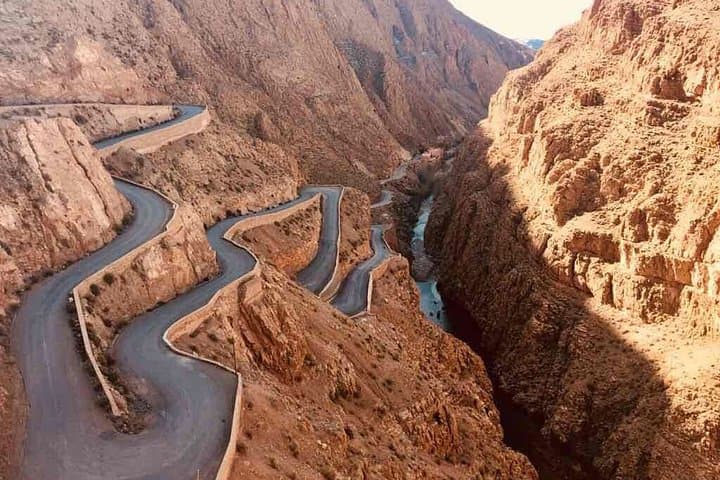
A wind-sanded ridge of ochre rises as the sun drops; you step free of the jeep and the dunes seem to lean toward you, daring you to climb. This three-day route threads the High Atlas passes and ancient caravan corridors before opening onto the Erg Chebbi sea of sand near Merzouga. Along the way stone kasbahs and sculpted gorges mark the push and pull between mountain and desert.
Verified experiences and guided adventures in the surrounding area.
Operated by Marruecos-Morocco Travels · Merzouga, Drâa-Tafilalet
A wind-sanded ridge of ochre rises as the sun drops; you step free of the jeep and the dunes seem to lean toward you, daring you to climb. This three-day route threads the High Atlas passes and ancient caravan corridors before opening onto the Erg Chebbi sea of sand near Merzouga. Along the way stone kasbahs and sculpted gorges mark the push and pull between mountain and desert.
Historically the track links Marrakech with trans-Saharan trade routes; Ait Benhaddou, a UNESCO ksar on day one, guards stories of brick-and-mud architecture and film crews. Geologically the land shifts from Jurassic-era mountains across the Tizi-n-Tichka pass (around 2,260 m) into the wind-worked dunes of the Sahara—some dunes reach well over 100 meters. Culturally the journey is threaded with Berber villages, palm oases of the Tafilalet, and nomad camps where drums mark sunset.
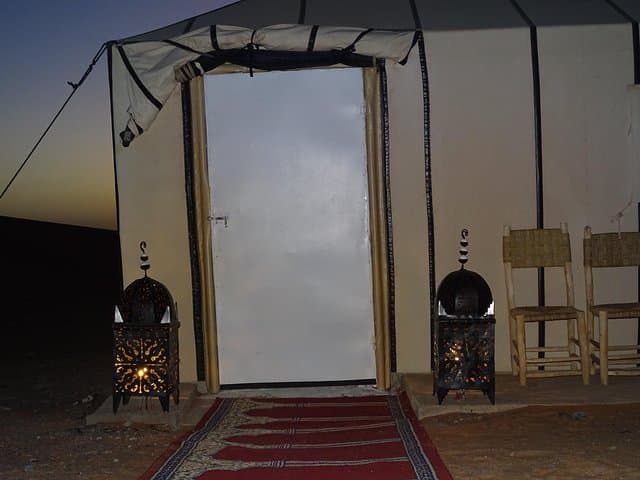
Practical guidance: expect long, scenic driving days in a 4x4 or minibus with A/C, two nights in riads or hotels and one night in a nomad-style desert camp. Camel transfers to the camp are a short, steady trek (roughly 45–90 minutes). Pack layered clothing for hot days and cool desert nights, sun protection, and refillable water. Mobility is easy to moderate—short hikes at gorge viewpoints and dune scrambling, but no technical climbing. Plan mornings for photos and sunset for the dunes when light is best, and leave extra time for roadside villages and photo stops.
moderate.
3 days.
Suitable for travelers in average fitness—able to manage short dune scrambles, step-on camel mounts, and multi-hour drives.
Yes—many families take this itinerary; children should be supervised during camel rides and dune climbs and may find the long drives tiring.
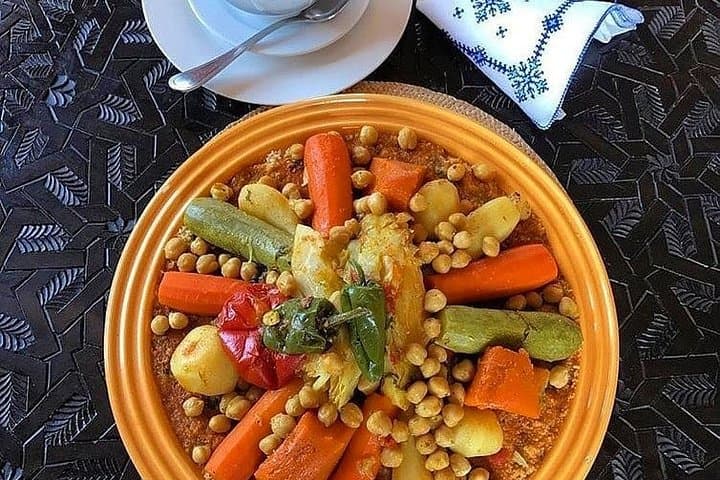
The tour typically includes 4x4/minibus transport with A/C, driver/guide, fuel, two hotel nights with breakfast and dinner, one night in a desert camp, and a camel ride to the camp.
The camel transfer to camp is a gentle, seated ride of about 45–90 minutes; dune scrambling is untechnical but can be tiring in hot weather.
Many operators can adapt meals with advance notice—use the booking's special requirements fields to specify allergies or preferences.
Ait Benhaddou and the surrounding valley were important stops on historical caravan routes; the ksar exemplifies southern mudbrick architecture and local trade history.
The Sahara's dunes and oases are fragile—stick to established tracks, avoid littering, and support local guides and accommodations that practice water and waste management.
Marruecos-Morocco Travels operates guided outdoor trips and adventures with an emphasis on safety, stewardship, and memorable experiences.
A wind-sanded ridge of ochre rises as the sun drops; you step free of the jeep and the dunes seem to lean toward you, daring you to climb. This three-day route threads the High Atlas passes and ancient caravan corridors before opening onto the Erg Chebbi sea of sand near Merzouga. Along the way stone kasbahs and sculpted gorges mark the push and pull between mountain and desert.
A wind-sanded ridge of ochre rises as the sun drops; you step free of the jeep and the dunes seem to lean toward you, daring you to climb. This three-day route threads the High Atlas passes and ancient caravan corridors before opening onto the Erg Chebbi sea of sand near Merzouga. Along the way stone kasbahs and sculpted gorges mark the push and pull between mountain and desert.
Historically the track links Marrakech with trans-Saharan trade routes; Ait Benhaddou, a UNESCO ksar on day one, guards stories of brick-and-mud architecture and film crews. Geologically the land shifts from Jurassic-era mountains across the Tizi-n-Tichka pass (around 2,260 m) into the wind-worked dunes of the Sahara—some dunes reach well over 100 meters. Culturally the journey is threaded with Berber villages, palm oases of the Tafilalet, and nomad camps where drums mark sunset.
Practical guidance: expect long, scenic driving days in a 4x4 or minibus with A/C, two nights in riads or hotels and one night in a nomad-style desert camp. Camel transfers to the camp are a short, steady trek (roughly 45–90 minutes). Pack layered clothing for hot days and cool desert nights, sun protection, and refillable water. Mobility is easy to moderate—short hikes at gorge viewpoints and dune scrambling, but no technical climbing. Plan mornings for photos and sunset for the dunes when light is best, and leave extra time for roadside villages and photo stops.