THE ADVENTURE COLLECTIVE® · Independent discovery and booking for outdoor travel

A compact, three-day loop from Marrakech to the Erg Chebbi dunes that combines High Atlas passes, kasbahs, Todra and Dades gorges, and an overnight camel trek to a private desert camp. Expect long drives, dramatic light, and an accessible Sahara immersion.
A compact, three-day loop from Marrakech to the Erg Chebbi dunes that combines High Atlas passes, kasbahs, Todra and Dades gorges, and an overnight camel trek to a private desert camp. Expect long drives, dramatic light, and an accessible Sahara immersion.
You crest Tizi n’Tichka before dawn, the High Atlas folding away into valley light, and the road becomes a ribbon toward orange dunes that rise like living walls. By late afternoon the sand takes on a molten glow; camels await at the dune’s lip and the caravan carries you into silence broken only by padding feet and wind.
Verified experiences and guided adventures in the surrounding area.
Operated by DesertTrail Adventures · Merzouga, Drâa-Tafilalet
You crest Tizi n’Tichka before dawn, the High Atlas folding away into valley light, and the road becomes a ribbon toward orange dunes that rise like living walls. By late afternoon the sand takes on a molten glow; camels await at the dune’s lip and the caravan carries you into silence broken only by padding feet and wind.
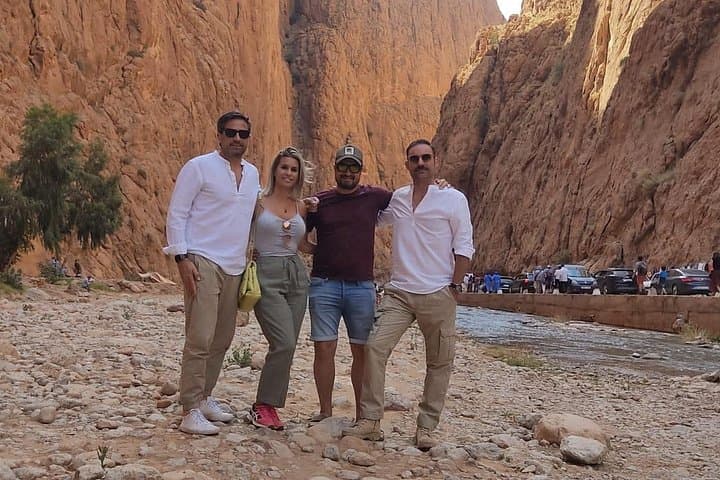
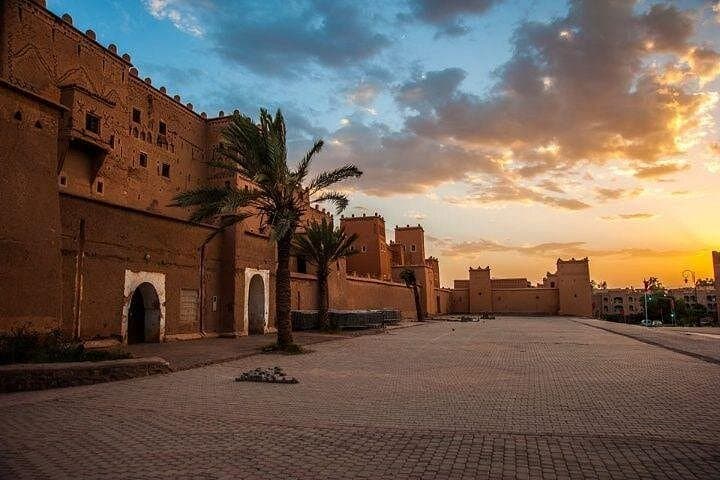
This itinerary threads centuries of Berber trade routes and cinematic backdrops: Ait Ben Haddou’s mud-brick ksar recalls premodern caravan architecture, while the Erg Chebbi seas are recent geologic actors—wind-sculpted Pleistocene sand piled against ancient plateaus. Todra and Dades gorges offer a counterpoint of limestone cliffs and irrigated palm oases, places where human settlement follows groundwater and kasbahs watch the valley.
Culturally, expect strong hospitality—mint tea, shared dinners, and campfire music performed by cameleers and local musicians. In practical terms, the core experience is accessible: short camel rides (≈1 hour) across soft sand, an overnight in private tents with basic en-suite facilities at many camps, and long driving days between highlights.
Plan for temperature swings—hot sun by day, sharp cold after sunset—and dusty conditions on vehicle transfers. Hydrate, wear a brimmed hat and layers, and reserve daylight for walking small dunes and photography. If you value slower travel, extend to four days: the route rewards time spent in valleys and kasbahs rather than strict schedules.
This tour is ideal for travelers who want a compact Sahara immersion with cultural stops en route, not technical trekking—just steady curiosity and readiness for desert light and wind.
moderate.
3 days.
Suitable for people in average fitness; involves short camel rides, light dune walking, and long vehicle transfers.
Typical camel treks to desert camps last about 45–75 minutes—long enough to reach dunes and see sunset; luggage usually transfers by 4x4.
Camps range from traditional berber tents to private luxury tents with en-suite showers; this itinerary offers private tents often with basic to comfortable facilities.
Main transport and many public areas are accessible, but dunes and camp interiors require walking on soft sand and are not wheelchair-friendly.
Most packages include pickup and drop-off in Marrakech, two breakfasts and dinners, a local guide at Ait Ben Haddou, camel ride, and overnight camp accommodation; confirm specifics at booking.
The route follows historic trans-Saharan corridors and oasis settlements; Ait Ben Haddou is a UNESCO-listed ksar that guarded trade and agriculture in the Ounila valley.
Water is scarce—use supplied water sparingly and avoid leaving plastics; many camps participate in local waste-reduction and community stewardship efforts.
DesertTrail Adventures operates guided outdoor trips and adventures with an emphasis on safety, stewardship, and memorable experiences.
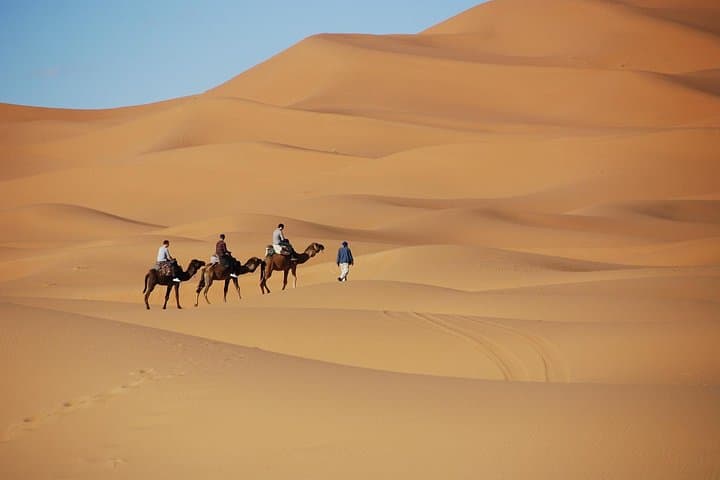
You crest Tizi n’Tichka before dawn, the High Atlas folding away into valley light, and the road becomes a ribbon toward orange dunes that rise like living walls. By late afternoon the sand takes on a molten glow; camels await at the dune’s lip and the caravan carries you into silence broken only by padding feet and wind.
You crest Tizi n’Tichka before dawn, the High Atlas folding away into valley light, and the road becomes a ribbon toward orange dunes that rise like living walls. By late afternoon the sand takes on a molten glow; camels await at the dune’s lip and the caravan carries you into silence broken only by padding feet and wind.
This itinerary threads centuries of Berber trade routes and cinematic backdrops: Ait Ben Haddou’s mud-brick ksar recalls premodern caravan architecture, while the Erg Chebbi seas are recent geologic actors—wind-sculpted Pleistocene sand piled against ancient plateaus. Todra and Dades gorges offer a counterpoint of limestone cliffs and irrigated palm oases, places where human settlement follows groundwater and kasbahs watch the valley.
Culturally, expect strong hospitality—mint tea, shared dinners, and campfire music performed by cameleers and local musicians. In practical terms, the core experience is accessible: short camel rides (≈1 hour) across soft sand, an overnight in private tents with basic en-suite facilities at many camps, and long driving days between highlights.
Plan for temperature swings—hot sun by day, sharp cold after sunset—and dusty conditions on vehicle transfers. Hydrate, wear a brimmed hat and layers, and reserve daylight for walking small dunes and photography. If you value slower travel, extend to four days: the route rewards time spent in valleys and kasbahs rather than strict schedules.
This tour is ideal for travelers who want a compact Sahara immersion with cultural stops en route, not technical trekking—just steady curiosity and readiness for desert light and wind.