THE ADVENTURE COLLECTIVE® · Independent discovery and booking for outdoor travel

Cross the High Atlas, explore UNESCO-listed Ait Ben Haddou and ride camels into Erg Chebbi on this compact 3-day desert circuit from Marrakech. Two nights—hotel and bivouac—bring sunrise dunes, Berber hospitality and a hands-on taste of Saharan life.
Cross the High Atlas, explore UNESCO-listed Ait Ben Haddou and ride camels into Erg Chebbi on this compact 3-day desert circuit from Marrakech. Two nights—hotel and bivouac—bring sunrise dunes, Berber hospitality and a hands-on taste of Saharan life.
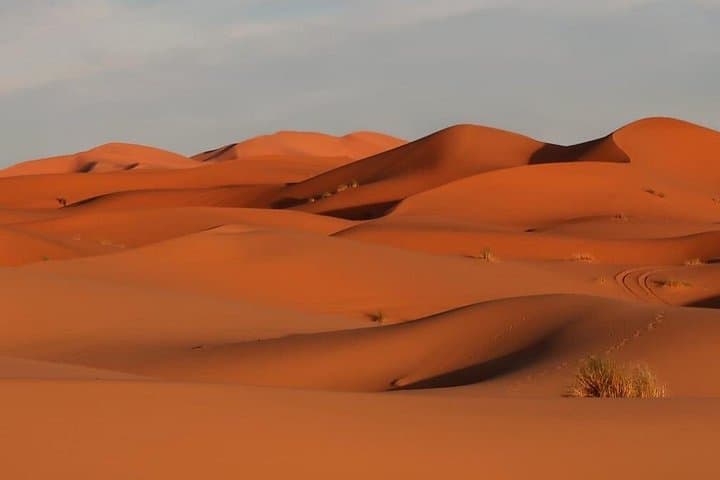
Dust drifts across the road as the minibus drops out of the High Atlas; sunlight slices the valley and the world tilts toward ochre dunes. By evening the first low ridges of Erg Chebbi catch the sunset—shifting bronze waves that seem to breathe. The tour threads ancient caravan routes: a morning climb over Tizi n’Tichka, a stop beneath the storied walls of Ait Ben Haddou, then long desert approaches through oases and fossil-strewn plains until Merzouga’s sand sea appears.
Verified experiences and guided adventures in the surrounding area.
Operated by TIME OF TRIPS · Merzouga, Drâa-Tafilalet
Dust drifts across the road as the minibus drops out of the High Atlas; sunlight slices the valley and the world tilts toward ochre dunes. By evening the first low ridges of Erg Chebbi catch the sunset—shifting bronze waves that seem to breathe. The tour threads ancient caravan routes: a morning climb over Tizi n’Tichka, a stop beneath the storied walls of Ait Ben Haddou, then long desert approaches through oases and fossil-strewn plains until Merzouga’s sand sea appears.
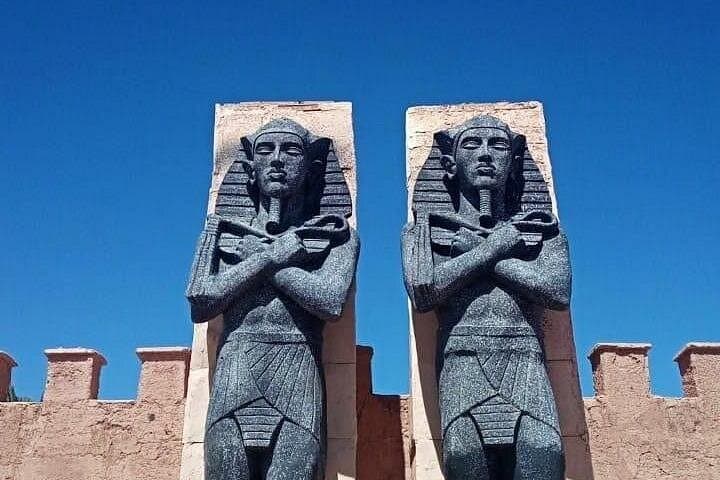
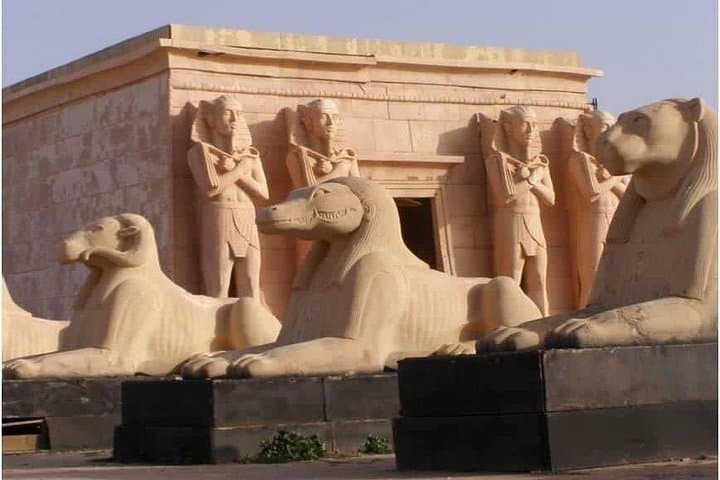
Geology here is recent in desert terms—wind-sculpted dunes of silica and shell fossils lifted from an ancient inland sea. Culturally the route stitches Berber kasbah towns, cairotic film sets and Gnawa music villages; guides are the living link between those histories and the modern caravan of travelers.
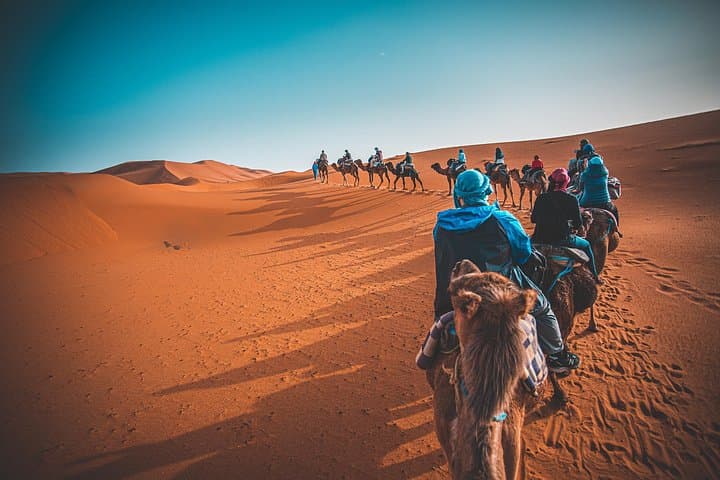
Expect two nights’ accommodation (hotel then desert bivouac), round-trip transfers from Marrakech and a camel ride timed for sunset and sunrise. The camel trek is slow and rhythmic; the camp offers traditional dinner, Berber entertainment and shared tents. Sandboarding is available for steeper faces; morning and evening temperatures change fast so plan layers. Hydration, sun protection and steady footwear will make the dunes pleasurable rather than punishing.
Practical rhythm: long driving days interleaved with short walks and photo stops; modest mobility is sufficient but prepare for seated transfers of several hours. If you want quiet dunes, opt for early-morning or late-evening sand time and ask guides for less-frequented ridgelines.
easy.
3 days (approx. 72 hours).
Suitable for travelers in average fitness: long vehicle transfers, short walks, and non-technical camel rides.
The camel trek is gentle and slow; riders sit on single or double saddles and dismount on flat sand—basic mobility is sufficient.
Yes: two dinners and two breakfasts are included—one hotel night and one night in a shared desert bivouac with traditional dinner and entertainment.
The tour notes it’s suitable for all fitness levels, but long transfers and mounting camels require basic mobility; inform the operator ahead for assistance.
Desert camps usually offer simple shared facilities and bucket or solar showers; standards vary—ask if private facilities are required.
This route follows historic caravan tracks linking Saharan trade hubs to the Atlas; Ait Ben Haddou is a fortified ksar recognized by UNESCO and featured in many films.
Tourism concentrates pressure on scarce water and fragile dune ecosystems—use local guides, avoid littering, and support village cooperatives that reinvest in habitat and cultural preservation.
TIME OF TRIPS operates guided outdoor trips and adventures with an emphasis on safety, stewardship, and memorable experiences.
Dust drifts across the road as the minibus drops out of the High Atlas; sunlight slices the valley and the world tilts toward ochre dunes. By evening the first low ridges of Erg Chebbi catch the sunset—shifting bronze waves that seem to breathe. The tour threads ancient caravan routes: a morning climb over Tizi n’Tichka, a stop beneath the storied walls of Ait Ben Haddou, then long desert approaches through oases and fossil-strewn plains until Merzouga’s sand sea appears.
Dust drifts across the road as the minibus drops out of the High Atlas; sunlight slices the valley and the world tilts toward ochre dunes. By evening the first low ridges of Erg Chebbi catch the sunset—shifting bronze waves that seem to breathe. The tour threads ancient caravan routes: a morning climb over Tizi n’Tichka, a stop beneath the storied walls of Ait Ben Haddou, then long desert approaches through oases and fossil-strewn plains until Merzouga’s sand sea appears.
Geology here is recent in desert terms—wind-sculpted dunes of silica and shell fossils lifted from an ancient inland sea. Culturally the route stitches Berber kasbah towns, cairotic film sets and Gnawa music villages; guides are the living link between those histories and the modern caravan of travelers.
Expect two nights’ accommodation (hotel then desert bivouac), round-trip transfers from Marrakech and a camel ride timed for sunset and sunrise. The camel trek is slow and rhythmic; the camp offers traditional dinner, Berber entertainment and shared tents. Sandboarding is available for steeper faces; morning and evening temperatures change fast so plan layers. Hydration, sun protection and steady footwear will make the dunes pleasurable rather than punishing.
Practical rhythm: long driving days interleaved with short walks and photo stops; modest mobility is sufficient but prepare for seated transfers of several hours. If you want quiet dunes, opt for early-morning or late-evening sand time and ask guides for less-frequented ridgelines.