THE ADVENTURE COLLECTIVE® · Independent discovery and booking for outdoor travel

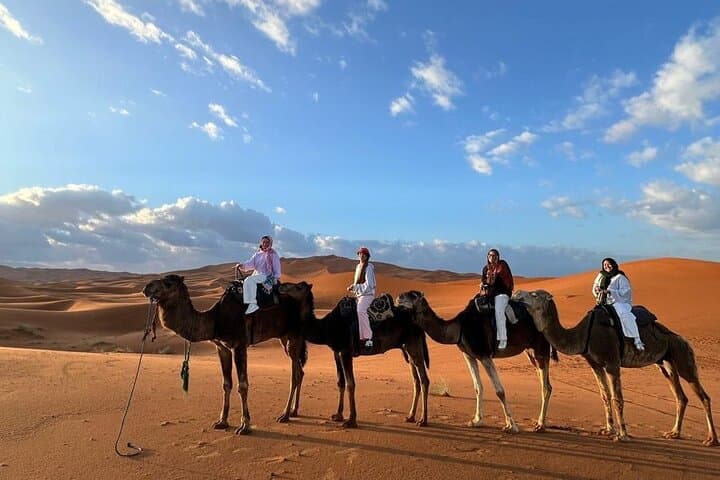
Travel from Marrakech through the High Atlas to the towering Erg Chebbi dunes on a three‑day journey of kasbahs, gorges and a night under desert stars. Ride camels at sunset, listen to Berber music in camp, and watch the dunes shift color at dawn.
Travel from Marrakech through the High Atlas to the towering Erg Chebbi dunes on a three‑day journey of kasbahs, gorges and a night under desert stars. Ride camels at sunset, listen to Berber music in camp, and watch the dunes shift color at dawn.
The asphalt peels away and the High Atlas rises like a weathered wall — snowridges, switchbacks and a sudden drop into ochre valleys. By mid-afternoon the ancient kasbah of Ait Ben Haddou appears, its mud-brick towers mute witnesses to caravan traffic that once threaded this corridor. On Day Two the Todra Gorges narrow into vertical canyons that force a hush; beyond them, palm-filled oases soften the transition into the sand sea of Erg Chebbi.
Verified experiences and guided adventures in the surrounding area.
Operated by Fes Expedition · Merzouga, Drâa-Tafilalet
The asphalt peels away and the High Atlas rises like a weathered wall — snowridges, switchbacks and a sudden drop into ochre valleys. By mid-afternoon the ancient kasbah of Ait Ben Haddou appears, its mud-brick towers mute witnesses to caravan traffic that once threaded this corridor. On Day Two the Todra Gorges narrow into vertical canyons that force a hush; beyond them, palm-filled oases soften the transition into the sand sea of Erg Chebbi.
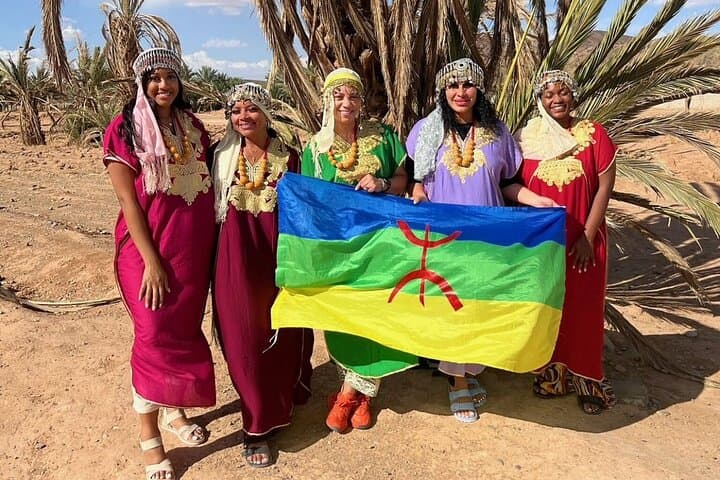
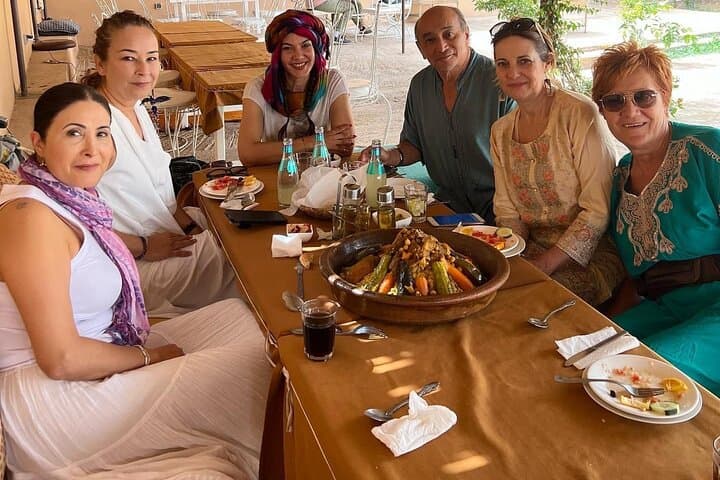
Geology and history are on display: the dunes are recent architects, shaped by Saharan winds and river sediments, while ksars and kasbahs speak to a long history of trade between sub‑Saharan caravans and Moroccan markets. Berber hospitality anchors the cultural thread — expect shared meals, stories by firelight, and live music in the desert camp.
Practically, this is a travel rhythm of driving, short walks, and a sunset camel traverse that places you on dune ridges as colors shift fast. Nights can be cold and crystalline; mornings start early for a sunrise return to Merzouga. Bring layered clothing, sun protection, sturdy closed shoes for rocky side trips, and a small pack for day essentials. Hydration and sun strategy matter more than endurance: dunes are deceptively tiring and the sun is uncompromising.
Logistics are straightforward: pickup in Marrakech, air‑conditioned transport, and two nights of lodging including a night in a traditional desert camp. Expect moderate comfort, customizable stops en route, and ample photo opportunities — from the clay architecture of Ait Ben Haddou to the sky‑full of stars over Erg Chebbi.
easy.
3 days.
Suitable for travelers in average fitness — able to board camels and handle short dune walks.
The camel ride is low‑impact: you sit on a padded saddle for 1–2 hours at sunset and sunrise; short walks on sand can be tiring but are optional.
You’ll stay in a traditional Berber desert camp, typically individual or shared tents with basic bedding; camps vary from simple to more comfortable setups.
The Tizi n’Tichka pass reaches about 2,260 m but most of the tour is lower; those sensitive to altitude should monitor symptoms but serious issues are uncommon.
Yes — operators usually accommodate common requests with advance notice, but indicate needs at booking to ensure appropriate meals in remote areas.
This corridor linked Saharan caravan routes to northern markets; kasbahs and ksars are remnants of fortified trading settlements and film crews have long used Ouarzazate’s studios.
The dunes are an active environment; stay on established paths in sensitive dune areas, avoid leaving waste, and choose operators that follow local waste‑management and community‑support practices.
Fes Expedition operates guided outdoor trips and adventures with an emphasis on safety, stewardship, and memorable experiences.
The asphalt peels away and the High Atlas rises like a weathered wall — snowridges, switchbacks and a sudden drop into ochre valleys. By mid-afternoon the ancient kasbah of Ait Ben Haddou appears, its mud-brick towers mute witnesses to caravan traffic that once threaded this corridor. On Day Two the Todra Gorges narrow into vertical canyons that force a hush; beyond them, palm-filled oases soften the transition into the sand sea of Erg Chebbi.
The asphalt peels away and the High Atlas rises like a weathered wall — snowridges, switchbacks and a sudden drop into ochre valleys. By mid-afternoon the ancient kasbah of Ait Ben Haddou appears, its mud-brick towers mute witnesses to caravan traffic that once threaded this corridor. On Day Two the Todra Gorges narrow into vertical canyons that force a hush; beyond them, palm-filled oases soften the transition into the sand sea of Erg Chebbi.
Geology and history are on display: the dunes are recent architects, shaped by Saharan winds and river sediments, while ksars and kasbahs speak to a long history of trade between sub‑Saharan caravans and Moroccan markets. Berber hospitality anchors the cultural thread — expect shared meals, stories by firelight, and live music in the desert camp.
Practically, this is a travel rhythm of driving, short walks, and a sunset camel traverse that places you on dune ridges as colors shift fast. Nights can be cold and crystalline; mornings start early for a sunrise return to Merzouga. Bring layered clothing, sun protection, sturdy closed shoes for rocky side trips, and a small pack for day essentials. Hydration and sun strategy matter more than endurance: dunes are deceptively tiring and the sun is uncompromising.
Logistics are straightforward: pickup in Marrakech, air‑conditioned transport, and two nights of lodging including a night in a traditional desert camp. Expect moderate comfort, customizable stops en route, and ample photo opportunities — from the clay architecture of Ait Ben Haddou to the sky‑full of stars over Erg Chebbi.