THE ADVENTURE COLLECTIVE® · Independent discovery and booking for outdoor travel

A compact three-day circuit from Marrakech to Erg Chebbi that pairs high Atlas passes and dramatic gorges with an overnight in a luxury desert camp. Expect long drives, short hikes, a sunset camel ride and a vivid cross-section of Berber culture.
A compact three-day circuit from Marrakech to Erg Chebbi that pairs high Atlas passes and dramatic gorges with an overnight in a luxury desert camp. Expect long drives, short hikes, a sunset camel ride and a vivid cross-section of Berber culture.
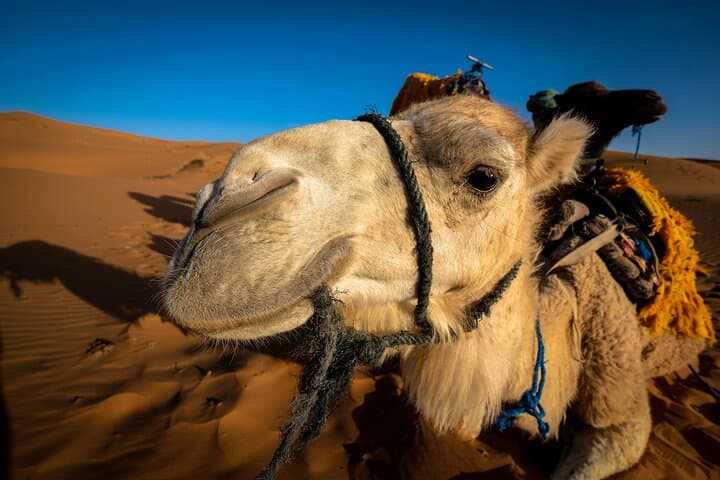
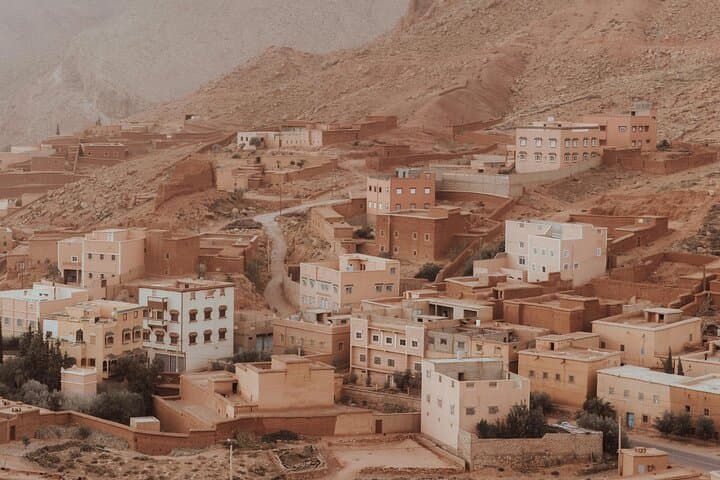
The road rises out of Marrakech before dawn, the bus engine humming as the Atlas Mountains take shape — rocky ribs lit by a thin gold that slides across the Tizi n’Tichka pass. You cross villages framed by red-earth kasbahs, each turn revealing new geology: folded sediment in the gorges, the flat ribbon of the Drâa valley, and finally Erg Chebbi, where dunes rise like a living wall that dares you to climb them.
Verified experiences and guided adventures in the surrounding area.
Operated by Smart Adventure · Merzouga, Drâa-Tafilalet
The road rises out of Marrakech before dawn, the bus engine humming as the Atlas Mountains take shape — rocky ribs lit by a thin gold that slides across the Tizi n’Tichka pass. You cross villages framed by red-earth kasbahs, each turn revealing new geology: folded sediment in the gorges, the flat ribbon of the Drâa valley, and finally Erg Chebbi, where dunes rise like a living wall that dares you to climb them.
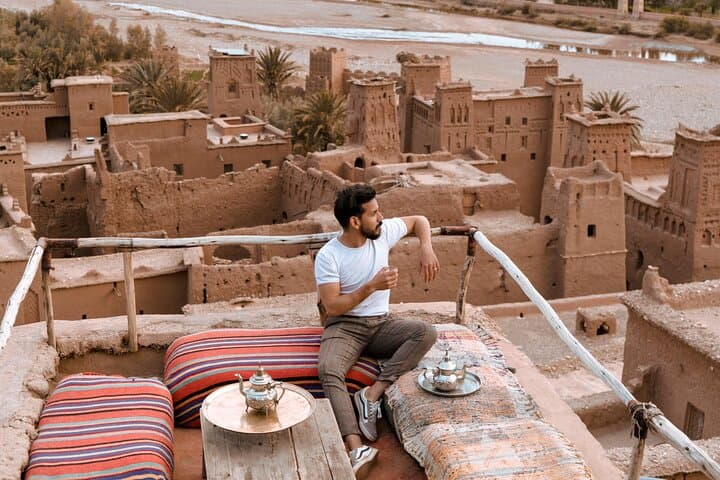
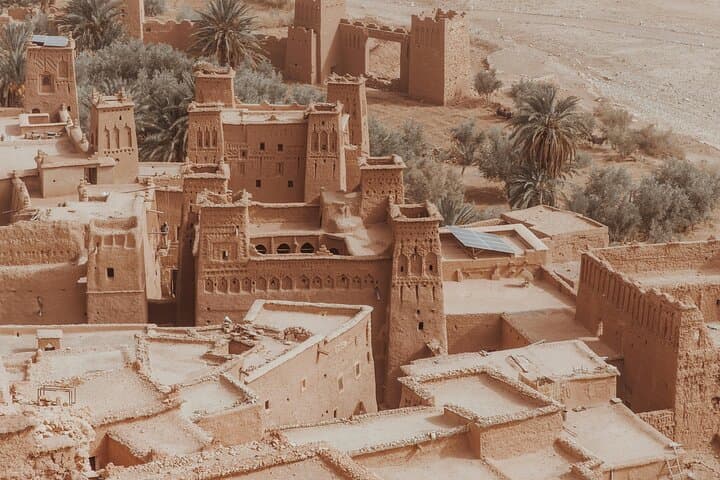
This three-day loop stitches together Moroccan history and landscape. Ait Ben Haddou offers mudbrick fortifications that once anchored trans-Saharan caravan traffic; Ouarzazate grew as the film and trading gateway. The Dades and Todra Gorges cut dramatic canyons through limestone and shale, shaped by seasonal torrents. Berber culture remains tactile here — music, tea rituals, and guest-ready hospitality in riads and desert camps.
Practically, expect long driving segments interspersed with short hikes and guided stops. Camel transfers to a luxury desert camp take 30–60 minutes at sunset; the camp offers dining, blankets, and private tents. Nights are cold despite daytime heat; temperatures swing dramatically. Bring layered clothing, sun protection, a refillable water bottle, and a small daypack for canyon walks.
Timing matters: sunrise on the tallest dune rewards early risers; mid-afternoon drives are best for crossing passes. Guides handle logistics and local permits; tipping and a light Arabic phrase or two go a long way. This trip balances slow-moving desert quiet with the kinetic geography of mountain roads — a compact, manageable window into Morocco’s raw, living landscapes.
moderate.
3 days.
Suitable for travelers in average fitness—mostly seated over long drives with short, easy hikes and a camel ride; able-bodied mobility recommended.
Camel transfers typically run 30–60 minutes from Merzouga village to the desert camp, paced for comfort rather than speed.
The advertised luxury camp provides private or semi-private tents, mattresses, shared or private wash facilities, dinner service and blankets—expect simple comforts, not hotel luxury.
The itinerary notes infants must sit on laps for transport; camel rides and long drives can be tiring for young children—check provider age policies and seat availability.
This is a road-intensive tour: expect several hours of driving each day between major stops, with breaks for meals and sightseeing.
The route follows historic trans-Saharan caravan corridors; kasbahs along the way were once fortified trading posts and tribal strongholds.
The Erg Chebbi dunes are sensitive to off-track erosion—stick to established camel routes and camps, minimize waste, and support operators who follow local land-use rules.
Smart Adventure operates guided outdoor trips and adventures with an emphasis on safety, stewardship, and memorable experiences.
The road rises out of Marrakech before dawn, the bus engine humming as the Atlas Mountains take shape — rocky ribs lit by a thin gold that slides across the Tizi n’Tichka pass. You cross villages framed by red-earth kasbahs, each turn revealing new geology: folded sediment in the gorges, the flat ribbon of the Drâa valley, and finally Erg Chebbi, where dunes rise like a living wall that dares you to climb them.
The road rises out of Marrakech before dawn, the bus engine humming as the Atlas Mountains take shape — rocky ribs lit by a thin gold that slides across the Tizi n’Tichka pass. You cross villages framed by red-earth kasbahs, each turn revealing new geology: folded sediment in the gorges, the flat ribbon of the Drâa valley, and finally Erg Chebbi, where dunes rise like a living wall that dares you to climb them.
This three-day loop stitches together Moroccan history and landscape. Ait Ben Haddou offers mudbrick fortifications that once anchored trans-Saharan caravan traffic; Ouarzazate grew as the film and trading gateway. The Dades and Todra Gorges cut dramatic canyons through limestone and shale, shaped by seasonal torrents. Berber culture remains tactile here — music, tea rituals, and guest-ready hospitality in riads and desert camps.
Practically, expect long driving segments interspersed with short hikes and guided stops. Camel transfers to a luxury desert camp take 30–60 minutes at sunset; the camp offers dining, blankets, and private tents. Nights are cold despite daytime heat; temperatures swing dramatically. Bring layered clothing, sun protection, a refillable water bottle, and a small daypack for canyon walks.
Timing matters: sunrise on the tallest dune rewards early risers; mid-afternoon drives are best for crossing passes. Guides handle logistics and local permits; tipping and a light Arabic phrase or two go a long way. This trip balances slow-moving desert quiet with the kinetic geography of mountain roads — a compact, manageable window into Morocco’s raw, living landscapes.