THE ADVENTURE COLLECTIVE® · Independent discovery and booking for outdoor travel

Cross the High Atlas, walk beneath 300m red cliffs, then ride camels into Erg Chebbi for a luxury camp under the stars. This 3-day route packs geological highlights, Berber culture, and iconic desert sunrises into a compact, accessible adventure.
Cross the High Atlas, walk beneath 300m red cliffs, then ride camels into Erg Chebbi for a luxury camp under the stars. This 3-day route packs geological highlights, Berber culture, and iconic desert sunrises into a compact, accessible adventure.
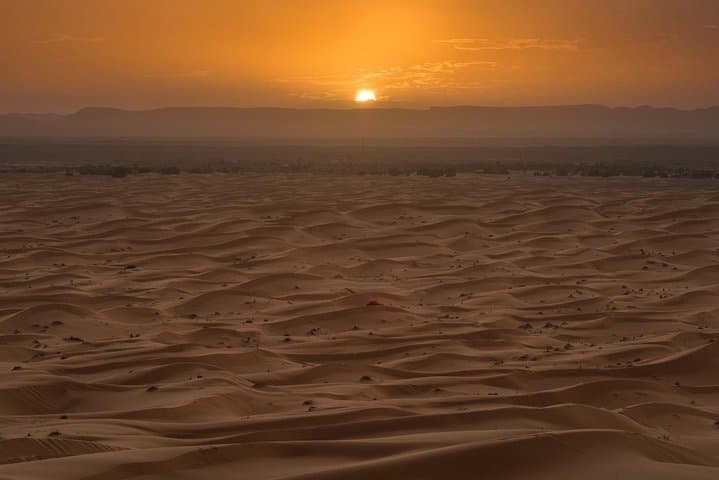
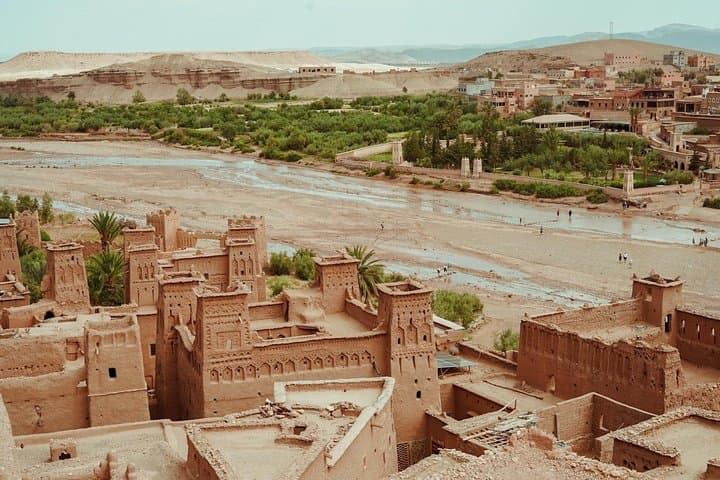
The sun drops like a coin behind serrated dunes as your convoy leaves the High Atlas; dust lifts, and the road simplifies into a ribbon of ochre and rock. On day one the pass at Tizi-n-Tichka opens views over terraced Berber villages, then Ait Ben Haddou’s earthen kasbahs rise in the distance like carved memory.
Verified experiences and guided adventures in the surrounding area.
Operated by Oubadi Travel Agency · Merzouga, Drâa-Tafilalet
The sun drops like a coin behind serrated dunes as your convoy leaves the High Atlas; dust lifts, and the road simplifies into a ribbon of ochre and rock. On day one the pass at Tizi-n-Tichka opens views over terraced Berber villages, then Ait Ben Haddou’s earthen kasbahs rise in the distance like carved memory.
This three-day crossing moves from Marrakech’s red city bustle through geology of folded mountains into the Erg Chebbi dunes—a field of wind-sculpted sand formed from Atlas erosion and ancient river sediments. Cultural threads run parallel: roadside markets selling rose products in Kalaat Mgouna, traditional kasbah architecture in Ouarzazate, and the camel caravan traditions that long linked desert communities.
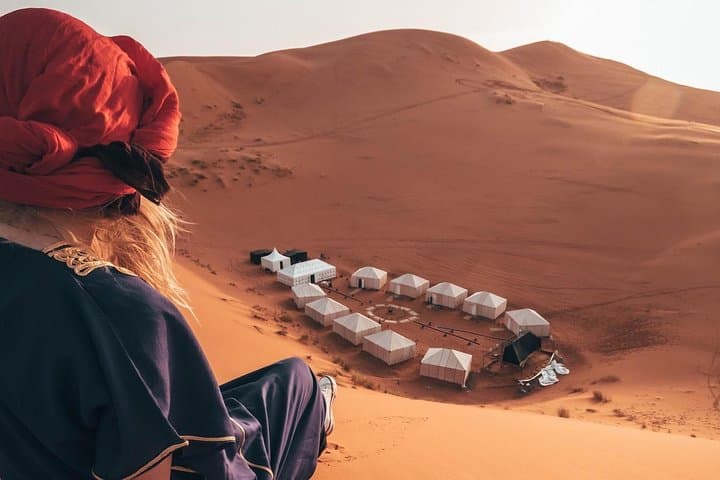
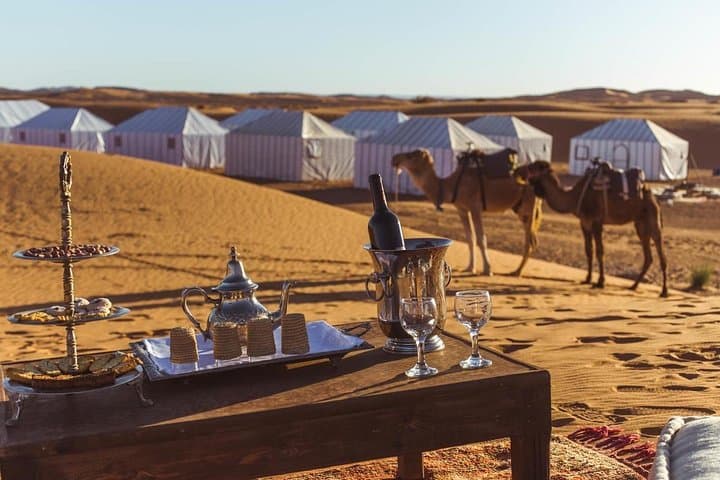
In Merzouga, the rhythm slows. A camel trek delivers you over the final dunes to a luxury desert camp where Berber hosts serve mint tea and drums punctuate the night under a wide sky. sunrise and sunset are the trip’s bookends, altering dune colors and shadow-play in minutes.
Practical notes: prepare for long drives (6–8 hours segments), early starts, and dramatic temperature swings—hot days, cool nights. Footwear with good ankle support is useful for walking dune slopes; a buff or scarf cuts sand during camel transit. Bring cash for small souks and market stops; modest dress respects local customs. If you have limited time but want desert immersion, this route delivers concentrated landscape, cultural encounters, and an overnight camp that balances comfort with authentic desert experience.
moderate.
3 days (approx. 72 hours).
Suitable for travelers in reasonable health; must manage several hours of driving, short dune walks, and a camel ride.
Riding a camel is low-impact and suitable for most people; expect brief mounting/unmounting and balancing on moving animals for one to two hours.
Most tours provide simple Moroccan meals and can often accommodate common dietary needs if informed when booking.
Spring and fall offer milder daytime temperatures; summer is very hot and winter nights can be cold—plan clothing accordingly.
Travel insurance that covers evacuation is recommended; routine vaccinations are generally sufficient—check country-specific guidance before travel.
The route follows historic caravan and trade corridors linking Marrakech to Saharan oases; Ait Ben Haddou served as a fortified trading post and film location.
Stick to established tracks in the dunes and avoid carving paths on vegetated sabkhas; local camps often use solar and low-impact waste practices—support operators who minimize water use.
Oubadi Travel Agency operates guided outdoor trips and adventures with an emphasis on safety, stewardship, and memorable experiences.
The sun drops like a coin behind serrated dunes as your convoy leaves the High Atlas; dust lifts, and the road simplifies into a ribbon of ochre and rock. On day one the pass at Tizi-n-Tichka opens views over terraced Berber villages, then Ait Ben Haddou’s earthen kasbahs rise in the distance like carved memory.
The sun drops like a coin behind serrated dunes as your convoy leaves the High Atlas; dust lifts, and the road simplifies into a ribbon of ochre and rock. On day one the pass at Tizi-n-Tichka opens views over terraced Berber villages, then Ait Ben Haddou’s earthen kasbahs rise in the distance like carved memory.
This three-day crossing moves from Marrakech’s red city bustle through geology of folded mountains into the Erg Chebbi dunes—a field of wind-sculpted sand formed from Atlas erosion and ancient river sediments. Cultural threads run parallel: roadside markets selling rose products in Kalaat Mgouna, traditional kasbah architecture in Ouarzazate, and the camel caravan traditions that long linked desert communities.
In Merzouga, the rhythm slows. A camel trek delivers you over the final dunes to a luxury desert camp where Berber hosts serve mint tea and drums punctuate the night under a wide sky. sunrise and sunset are the trip’s bookends, altering dune colors and shadow-play in minutes.
Practical notes: prepare for long drives (6–8 hours segments), early starts, and dramatic temperature swings—hot days, cool nights. Footwear with good ankle support is useful for walking dune slopes; a buff or scarf cuts sand during camel transit. Bring cash for small souks and market stops; modest dress respects local customs. If you have limited time but want desert immersion, this route delivers concentrated landscape, cultural encounters, and an overnight camp that balances comfort with authentic desert experience.