THE ADVENTURE COLLECTIVE® · Independent discovery and booking for outdoor travel

A compact, three-day circuit from Marrakech that runs over the High Atlas, through UNESCO Aït Benhaddou, into the Todra and Dades gorges and finishes with sunrise over Erg Chebbi’s dunes. Expect long drives, short hikes, a camel transfer, and two distinctive overnights.
A compact, three-day circuit from Marrakech that runs over the High Atlas, through UNESCO Aït Benhaddou, into the Todra and Dades gorges and finishes with sunrise over Erg Chebbi’s dunes. Expect long drives, short hikes, a camel transfer, and two distinctive overnights.
Dawn breaks over Marrakech and your minivan threads up toward the High Atlas, the road rising to Tizi n’Tichka at 2,260 meters where wind-polished rocks demand attention. The landscape changes visibly: cedar slopes and kasbah-studded valleys give way to ochre plateaus, then the thumbprint dunes of Erg Chebbi appear — an entire ocean of sand that seems to breathe.
Verified experiences and guided adventures in the surrounding area.
Operated by Gold journey tours · Merzouga, Errachidia Province
Dawn breaks over Marrakech and your minivan threads up toward the High Atlas, the road rising to Tizi n’Tichka at 2,260 meters where wind-polished rocks demand attention. The landscape changes visibly: cedar slopes and kasbah-studded valleys give way to ochre plateaus, then the thumbprint dunes of Erg Chebbi appear — an entire ocean of sand that seems to breathe.
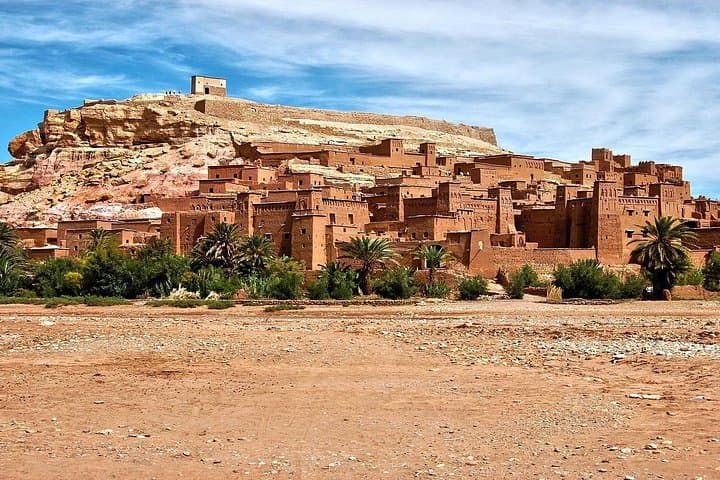
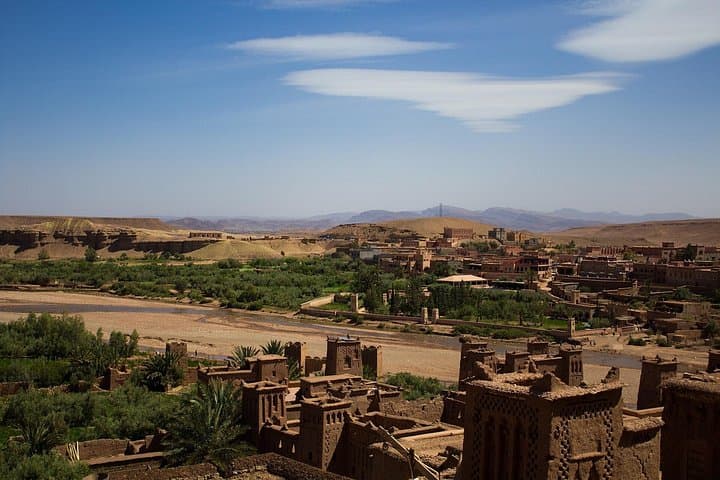
This three-day itinerary traces centuries-old caravan routes and cinematic landscapes. You visit Aït Benhaddou, a UNESCO-listed kasbah built of rammed earth, and the Glaoui stronghold at Telouet that speak to Morocco’s layered history of trade and tribal power. Geologically, the route crosses folded High Atlas strata and the continental sediments of the Tafilalt basin; wind and rare rains sculpt the dunes and carve the Todra and Dades gorges where walking between limestone walls reveals palm groves and microclimates.
Cultural notes: expect Berber hospitality, tagines cooked over coals, and opportunities to hear Gnawa music in small villages. The desert night is cold and clear — constellations dominate and silence feels deliberate.
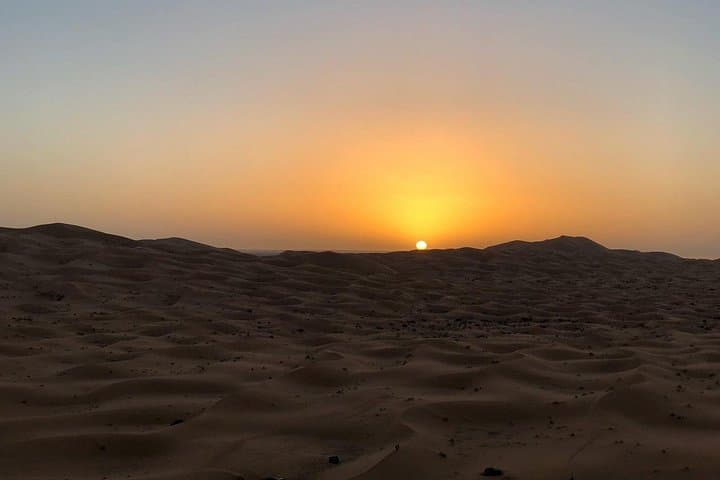
Practical guidance: the tour is long on driving (Marrakech–Merzouga is roughly 9–10 hours total across days) and includes a 90–120 minute camel transfer and one night in a desert camp. Bring sun protection, a warm layer for nights, refillable water, and sturdy shoes for short walks in gorges and dunes. Plan for early starts, variable road conditions, and a relaxed pace that lets you watch sunrise over the sand — that’s the real payoff.
moderate.
3 days (approx. 72 hours total).
Suitable for travelers in normal fitness; requires ability to handle several hours of driving and short hikes up to 1–2 hours.
Spring (March–May) and fall (September–November) provide the most comfortable daytime temperatures and clearer roads; summer can be very hot in the desert, and winter brings the chance of snow over the High Atlas.
Yes — the tour includes private transportation and pickup from Marrakech as described in the itinerary.
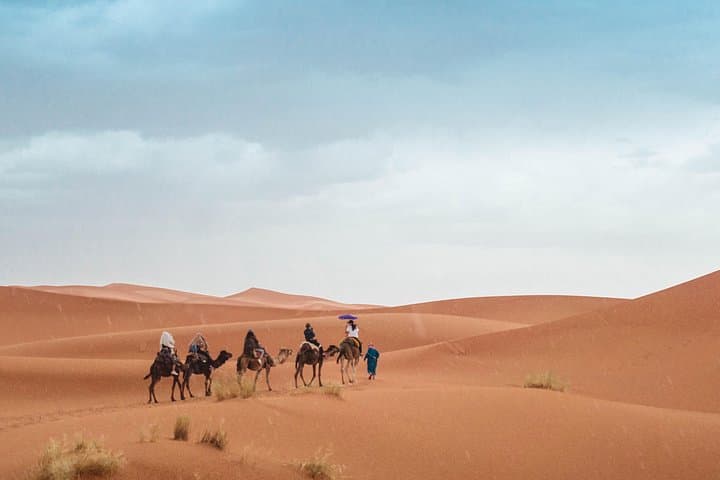
Camel transfer to the desert camp is typically 90–120 minutes round-trip; local handlers are experienced and the ride is low-impact, though not suitable for those with serious back or heart conditions.
Two nights’ accommodation are included: one night in a hotel/lodge (Dades) and one night in a desert luxury camp; breakfasts and some dinners are also provided.
This corridor was traversed by Saharan caravans and later became a cinematic backdrop; Aït Benhaddou and Glaoui kasbahs reflect centuries of trade and tribal authority.
Dune systems and palm oases are ecologically fragile; travel with local operators who minimize water use, avoid off-track driving on dunes, and support campsite waste management.
Gold journey tours operates guided outdoor trips and adventures with an emphasis on safety, stewardship, and memorable experiences.
Dawn breaks over Marrakech and your minivan threads up toward the High Atlas, the road rising to Tizi n’Tichka at 2,260 meters where wind-polished rocks demand attention. The landscape changes visibly: cedar slopes and kasbah-studded valleys give way to ochre plateaus, then the thumbprint dunes of Erg Chebbi appear — an entire ocean of sand that seems to breathe.
Dawn breaks over Marrakech and your minivan threads up toward the High Atlas, the road rising to Tizi n’Tichka at 2,260 meters where wind-polished rocks demand attention. The landscape changes visibly: cedar slopes and kasbah-studded valleys give way to ochre plateaus, then the thumbprint dunes of Erg Chebbi appear — an entire ocean of sand that seems to breathe.
This three-day itinerary traces centuries-old caravan routes and cinematic landscapes. You visit Aït Benhaddou, a UNESCO-listed kasbah built of rammed earth, and the Glaoui stronghold at Telouet that speak to Morocco’s layered history of trade and tribal power. Geologically, the route crosses folded High Atlas strata and the continental sediments of the Tafilalt basin; wind and rare rains sculpt the dunes and carve the Todra and Dades gorges where walking between limestone walls reveals palm groves and microclimates.
Cultural notes: expect Berber hospitality, tagines cooked over coals, and opportunities to hear Gnawa music in small villages. The desert night is cold and clear — constellations dominate and silence feels deliberate.
Practical guidance: the tour is long on driving (Marrakech–Merzouga is roughly 9–10 hours total across days) and includes a 90–120 minute camel transfer and one night in a desert camp. Bring sun protection, a warm layer for nights, refillable water, and sturdy shoes for short walks in gorges and dunes. Plan for early starts, variable road conditions, and a relaxed pace that lets you watch sunrise over the sand — that’s the real payoff.