THE ADVENTURE COLLECTIVE® · Independent discovery and booking for outdoor travel

Cross the High Atlas, explore Ait Ben Haddou and Todra Gorge, then ride camels into Erg Chebbi for sunset and a night in a shared desert camp. This three-day route pairs cultural stops with the stark beauty of Moroccan dunes.
Cross the High Atlas, explore Ait Ben Haddou and Todra Gorge, then ride camels into Erg Chebbi for sunset and a night in a shared desert camp. This three-day route pairs cultural stops with the stark beauty of Moroccan dunes.
The van eases out of Marrakech before dawn and the High Atlas folds into the windshield — red rock giving way to ochre plateaus and, finally, the tall silhouettes of Erg Chebbi rising like slow-moving waves.
Verified experiences and guided adventures in the surrounding area.
Operated by Sahara Desert Trip · Merzouga, Drâa-Tafilalet
The van eases out of Marrakech before dawn and the High Atlas folds into the windshield — red rock giving way to ochre plateaus and, finally, the tall silhouettes of Erg Chebbi rising like slow-moving waves.
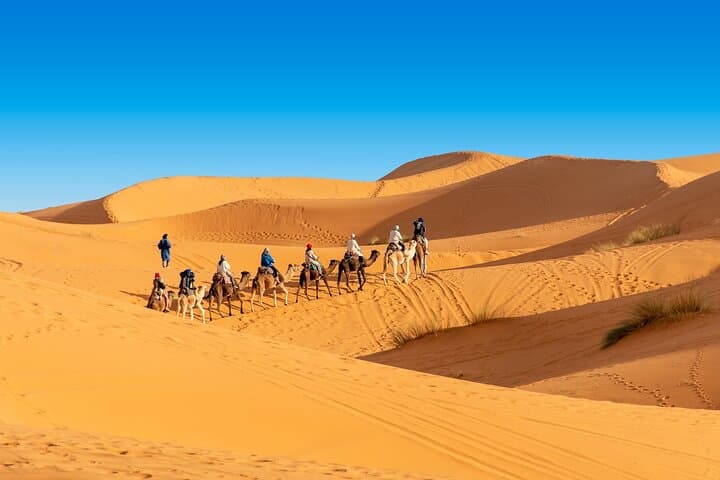
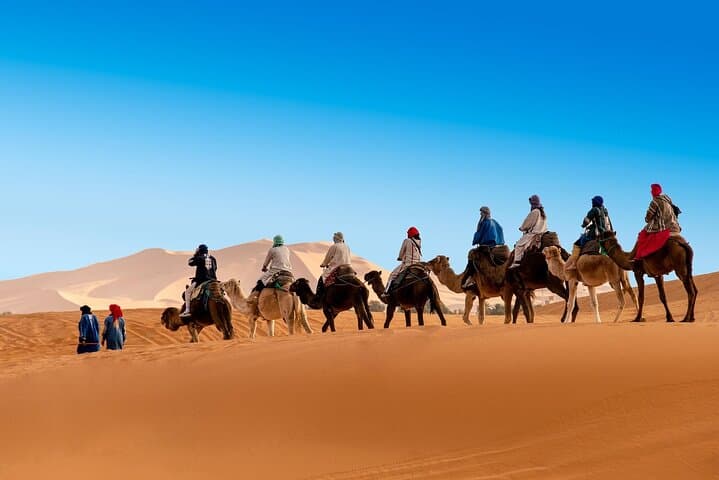
Across three days you'll pass the earthen walls of Ait Ben Haddou, cross river-cut gorges at Todra, and arrive in Merzouga where camels line up against a desert sunset. The dunes here are wind-sculpted forms of Quaternary sand; at sunrise the ridgelines throw long, clean shadows and the sand warms quickly underfoot.
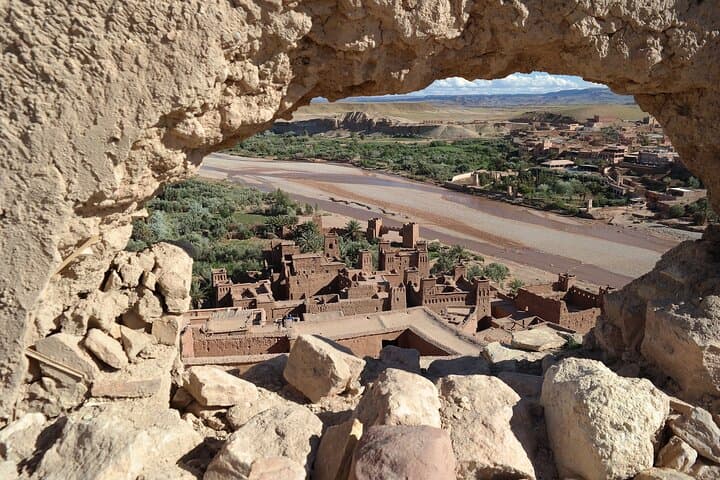
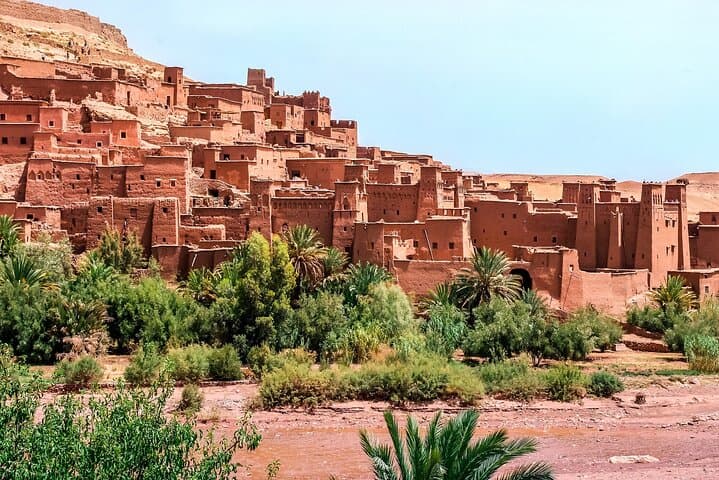
Historically these routes threaded trans-Saharan trade, and kasbahs such as Ait Ben Haddou are fortified stops that speak to caravan culture and centuries of adobe architecture. Tinghir’s palm oasis irrigates agriculture in a dry corridor, and Todra Gorge exposes limestone cliffs folded by Atlas orogeny.
Practically: expect long driving days (roughly 9–10 hours of combined driving over three days), short guided walks, and camel treks of 45–90 minutes at sunset and sunrise. Accommodation alternates between a mountain-side hotel or guesthouse and a shared desert camp with basic sleeping tents and communal dining. Pack layered clothing for cold desert nights, sun protection for blistering afternoons, and a small daypack for water and camera gear. Hydrate early, move deliberately on steep dune slopes, and allow time for photography at golden hours. Guides handle logistics and navigation; bring cash for local purchases and tips. This itinerary balances scenic transit with immersive desert time — the kind of trip that rewards patience with vast, open light and the steady rhythm of camel steps.
easy.
3 days.
Comfortable with long vehicle transfers and short periods of walking or camel riding; should be able to climb sand slopes and step on/off camels.
Sunset camel treks to the camp typically run 45–60 minutes; sunrise rides the next morning are about 60–90 minutes including photo stops.
You stay in a shared desert camp with basic tents (shared or dorm-style) and communal dining; bedding is provided but temperature varies by season.
The tour is family-friendly but involves camel mounts and some uneven terrain; it’s not recommended for those with serious mobility constraints or specific medical conditions.
Yes — two breakfasts and two dinners are included, plus hotel pick-up and drop-off within Marrakech; bring cash for lunches and extras.
The route follows former caravan passages linking Marrakech to Saharan trading routes; Ait Ben Haddou is a UNESCO-listed ksar reflecting clay architecture and caravan-era defenses.
Wear a minimal-impact approach: stick to established camel tracks around dunes, avoid littering, and support locally run camps to keep tourism benefits in-community.
Sahara Desert Trip operates guided outdoor trips and adventures with an emphasis on safety, stewardship, and memorable experiences.
The van eases out of Marrakech before dawn and the High Atlas folds into the windshield — red rock giving way to ochre plateaus and, finally, the tall silhouettes of Erg Chebbi rising like slow-moving waves.
The van eases out of Marrakech before dawn and the High Atlas folds into the windshield — red rock giving way to ochre plateaus and, finally, the tall silhouettes of Erg Chebbi rising like slow-moving waves.
Across three days you'll pass the earthen walls of Ait Ben Haddou, cross river-cut gorges at Todra, and arrive in Merzouga where camels line up against a desert sunset. The dunes here are wind-sculpted forms of Quaternary sand; at sunrise the ridgelines throw long, clean shadows and the sand warms quickly underfoot.
Historically these routes threaded trans-Saharan trade, and kasbahs such as Ait Ben Haddou are fortified stops that speak to caravan culture and centuries of adobe architecture. Tinghir’s palm oasis irrigates agriculture in a dry corridor, and Todra Gorge exposes limestone cliffs folded by Atlas orogeny.
Practically: expect long driving days (roughly 9–10 hours of combined driving over three days), short guided walks, and camel treks of 45–90 minutes at sunset and sunrise. Accommodation alternates between a mountain-side hotel or guesthouse and a shared desert camp with basic sleeping tents and communal dining. Pack layered clothing for cold desert nights, sun protection for blistering afternoons, and a small daypack for water and camera gear. Hydrate early, move deliberately on steep dune slopes, and allow time for photography at golden hours. Guides handle logistics and navigation; bring cash for local purchases and tips. This itinerary balances scenic transit with immersive desert time — the kind of trip that rewards patience with vast, open light and the steady rhythm of camel steps.