THE ADVENTURE COLLECTIVE® · Independent discovery and booking for outdoor travel

Cross the High Atlas, stand in ancient kasbahs, then ride camels into the orange ridges of Erg Chebbi. This three-day Marrakech-to-Fez tour pairs cinematic scenery with overnight desert camping and local Berber hospitality.
Cross the High Atlas, stand in ancient kasbahs, then ride camels into the orange ridges of Erg Chebbi. This three-day Marrakech-to-Fez tour pairs cinematic scenery with overnight desert camping and local Berber hospitality.
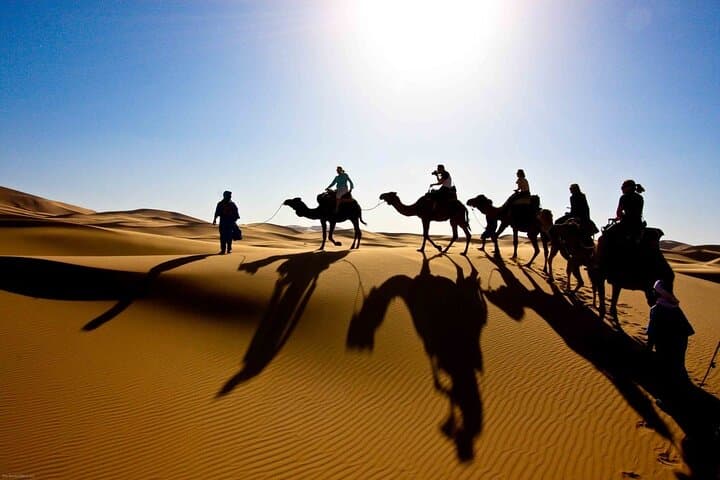
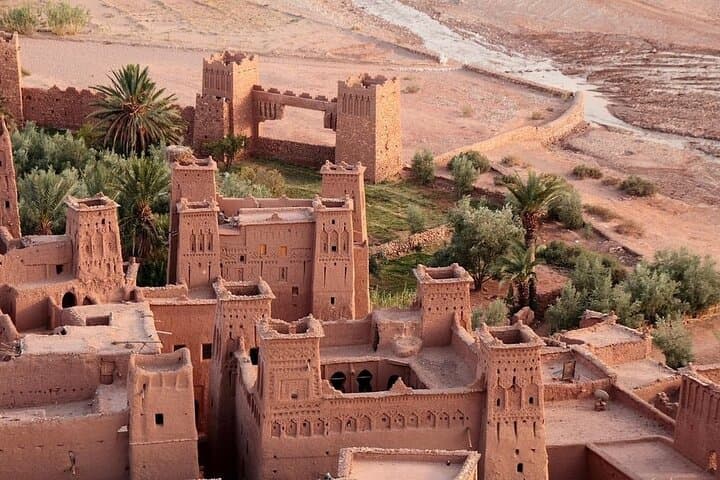
A late-afternoon minivan slips out of Marrakech and climbs into the High Atlas, the road folding over passes where scrubby slopes give way to villages of sunbaked clay. By evening the ochre of Ait Ben Haddou glows in the waning light; by the second day you’re listening to the wind sculpting the Erg Chebbi dunes into ridges that seem to move with every hour.
Verified experiences and guided adventures in the surrounding area.
Operated by Marrakesh Travel Services · Merzouga, Errachidia Province
A late-afternoon minivan slips out of Marrakech and climbs into the High Atlas, the road folding over passes where scrubby slopes give way to villages of sunbaked clay. By evening the ochre of Ait Ben Haddou glows in the waning light; by the second day you’re listening to the wind sculpting the Erg Chebbi dunes into ridges that seem to move with every hour.
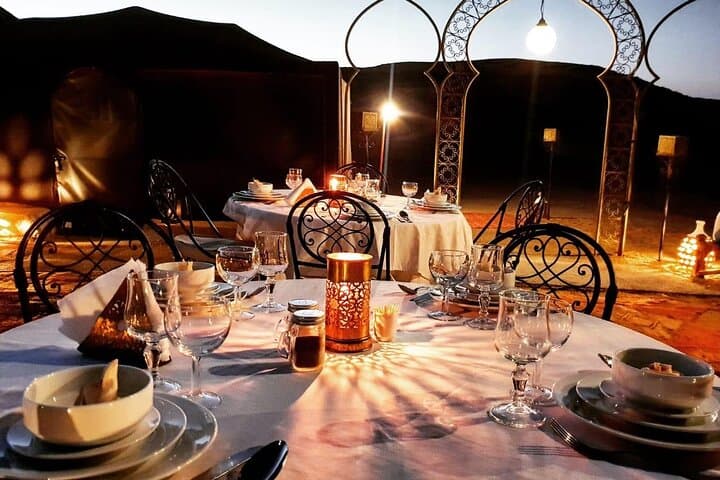
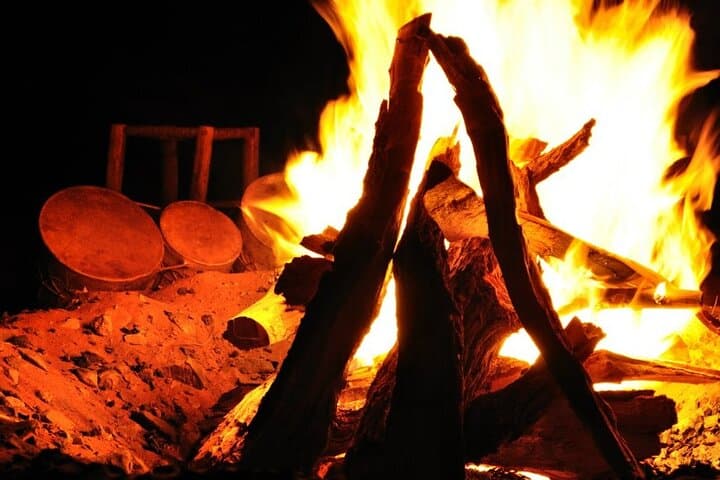
This three-day route threads history and geology: the UNESCO kasbah at Ait Ben Haddou stands as mud-brick memory of caravan trade, Todra Gorge cuts a dramatic limestone throat on the edge of the Atlas, and Erg Chebbi is a sea of sand built by Saharan winds and distant river sediments. Berber culture shapes the trip—hosts pour sweet mint tea, and a night in a traditional tent brings songs, tagine, and sky-dark clarity.
Expect long, scenic drives (Marrakech to Merzouga ≈ 550–600 km spread over two travel days, with mountain passes up to ≈2,200 m), brief hikes at Todra, and guided camel rides at sunset and sunrise (roughly 45–90 minutes each). Terrain switches from paved highways to rocky gorges to deep sand; footwear should handle both dust and dunes. Temperatures swing dramatically—hot afternoons, cold desert nights—so layer and carry ample water. Travel windows favor early starts to avoid heat on summer drives.
Practical notes: cameras with extra batteries, a headlamp, sun protection, and modest clothing for cultural sites will make the trip smoother. The experience is equal parts road trip, cultural exchange, and quiet time under an enormous night sky.
moderate.
3 days (approx.).
Moderate fitness for multi-hour drives, short hikes and 45–90 minute camel treks; able to mount/dismount camels and handle uneven sand.
Sunset and sunrise camel rides are typically 45–90 minutes each—enough to reach a high dune for views and return to camp.
Yes—hotel in Tinghir and an overnight desert camp (Berber tents) are included along with breakfast and dinner as listed.
The tour is labeled suitable for most fitness levels, but camel mounting and walking on sand require mobility; check with the operator about child seating and special assistance.
Drive segments vary—expect several hours per day (some 4–7 hour stretches), with stops at Ait Ben Haddou, Ouarzazate, and Todra before reaching Merzouga.
This corridor links trans-Saharan trade routes; Ait Ben Haddou was a fortified caravan stop and a filming location for many films.
The Erg Chebbi area is fragile—stick to established camel routes and camps, avoid disturbing flora and fauna, and minimize single-use plastics.
Marrakesh Travel Services operates guided outdoor trips and adventures with an emphasis on safety, stewardship, and memorable experiences.
A late-afternoon minivan slips out of Marrakech and climbs into the High Atlas, the road folding over passes where scrubby slopes give way to villages of sunbaked clay. By evening the ochre of Ait Ben Haddou glows in the waning light; by the second day you’re listening to the wind sculpting the Erg Chebbi dunes into ridges that seem to move with every hour.
A late-afternoon minivan slips out of Marrakech and climbs into the High Atlas, the road folding over passes where scrubby slopes give way to villages of sunbaked clay. By evening the ochre of Ait Ben Haddou glows in the waning light; by the second day you’re listening to the wind sculpting the Erg Chebbi dunes into ridges that seem to move with every hour.
This three-day route threads history and geology: the UNESCO kasbah at Ait Ben Haddou stands as mud-brick memory of caravan trade, Todra Gorge cuts a dramatic limestone throat on the edge of the Atlas, and Erg Chebbi is a sea of sand built by Saharan winds and distant river sediments. Berber culture shapes the trip—hosts pour sweet mint tea, and a night in a traditional tent brings songs, tagine, and sky-dark clarity.
Expect long, scenic drives (Marrakech to Merzouga ≈ 550–600 km spread over two travel days, with mountain passes up to ≈2,200 m), brief hikes at Todra, and guided camel rides at sunset and sunrise (roughly 45–90 minutes each). Terrain switches from paved highways to rocky gorges to deep sand; footwear should handle both dust and dunes. Temperatures swing dramatically—hot afternoons, cold desert nights—so layer and carry ample water. Travel windows favor early starts to avoid heat on summer drives.
Practical notes: cameras with extra batteries, a headlamp, sun protection, and modest clothing for cultural sites will make the trip smoother. The experience is equal parts road trip, cultural exchange, and quiet time under an enormous night sky.