THE ADVENTURE COLLECTIVE® · Independent discovery and booking for outdoor travel

A compact three-day circuit from Marrakech to the Erg Chigaga dunes that combines Ait Benhaddou’s kasbahs, Draa Valley oases, and an overnight under Sahara stars. Expect long drives, a camel trek into camp, and striking dune climbs at sunrise.
A compact three-day circuit from Marrakech to the Erg Chigaga dunes that combines Ait Benhaddou’s kasbahs, Draa Valley oases, and an overnight under Sahara stars. Expect long drives, a camel trek into camp, and striking dune climbs at sunrise.
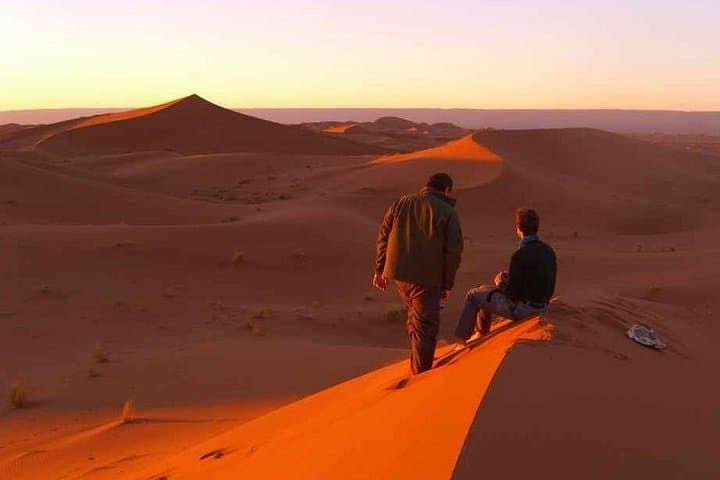
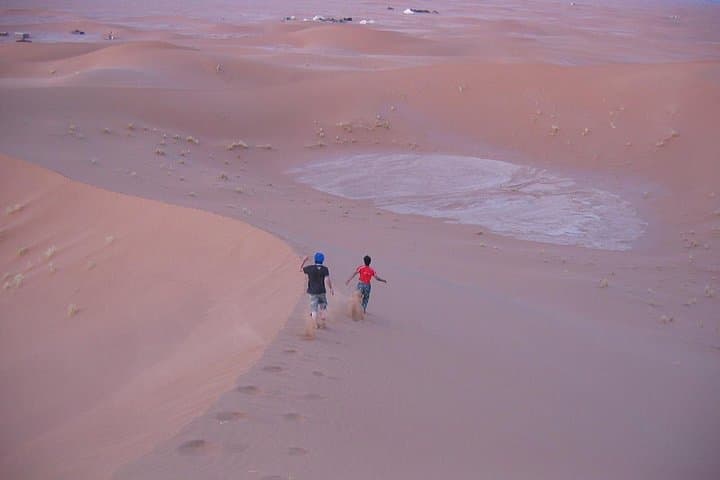
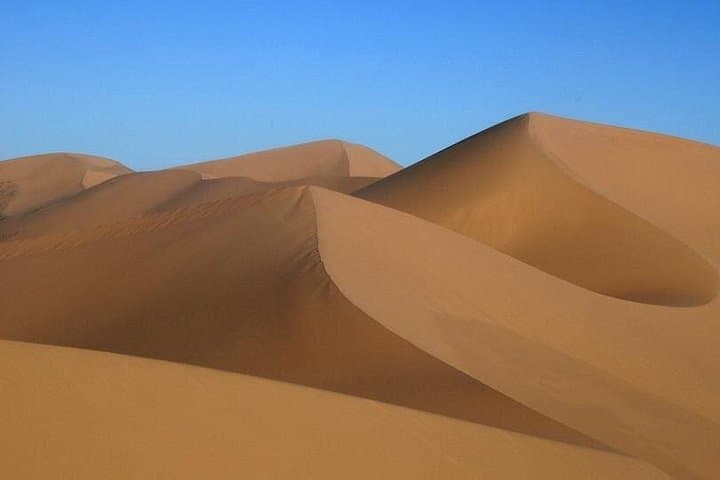
You arrive on a road that unspools across ochre hills and argan trees, the High Atlas shrinking into the rearview as the Draa Valley widens into sun-baked clay villages. Wind drafts sand into ripples on the horizon; by late afternoon the Chigaga dunes loom—an amphitheater of raw, shifting height that dares you to climb.
Verified experiences and guided adventures in the surrounding area.
Operated by Zagora Desert Travel · Marrakech, Marrakesh-Safi
You arrive on a road that unspools across ochre hills and argan trees, the High Atlas shrinking into the rearview as the Draa Valley widens into sun-baked clay villages. Wind drafts sand into ripples on the horizon; by late afternoon the Chigaga dunes loom—an amphitheater of raw, shifting height that dares you to climb.
This three-day route threads history and geology: the mud-brick watchtowers of Ait Benhaddou—an 11th-century kasbah on the ancient caravan route—give way to palm oases and the fossilbed flats of the Iriki basin. Culture here is Berber and Saharan; in Tamegroute you can still find a centuries-old library of Quranic manuscripts and potters who use age-old glazing methods.
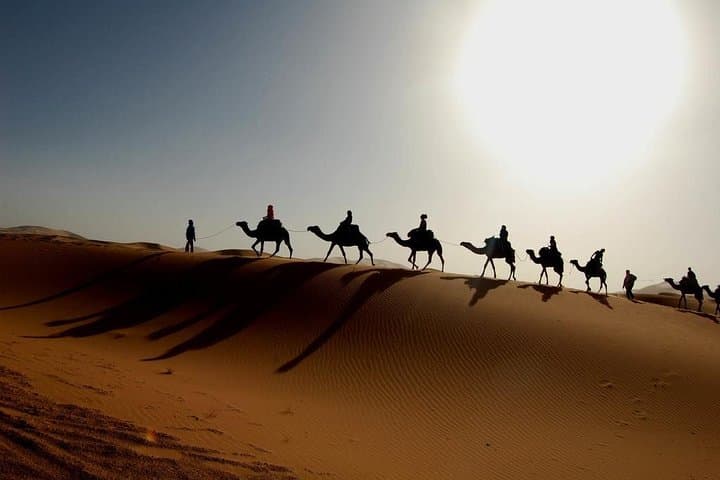
Expect long drives (Marrakech to the dune field is several hours each way), interspersed with short hikes, a late-afternoon camel trek into camp, and a sunrise climb on a wind-sculpted dune. Nights are cold and clear—stars feel close enough to touch—while daytime heats rapidly and the sand can reflect intense sun.
Practical guidance: pack layered clothing for temperature swings, carry at least 2–3 liters of water per day, and wear sturdy shoes for stony tracks and dune slopes. Lunches are often simple; notify guides of dietary needs in advance. Cameras with sun protection and a small dry bag for dust will keep gear safe.
This itinerary balances cultural stops (Ait Benhaddou, Ouarzazate, Tamegroute) with raw desert time—ideal for travelers who want Saharan solitude without extended expedition logistics.
moderate.
3 days.
Light to moderate fitness; able to manage short dune climbs, camel saddle rides, and multi-hour vehicle transfers.
Expect 6–8 hours of combined driving with stops; the pace includes sightseeing in Ouarzazate, the Draa Valley, and short village visits.
Yes—short camel treks to and from the camp are included; camels are handled by experienced guides and rides are suitable for most people.
Overnight is typically in a Berber-style desert camp (tented or semi-fixed), with dinners provided and basic sleeping arrangements; bring layers for cold nights.
The tour is family-friendly but involves long drives, sandy terrain, and camel mounts—travelers with limited mobility should discuss specifics with the operator before booking.
The route follows caravan corridors linking Sahara trade routes to Marrakech; Ait Benhaddou served as a fortified conduit for commerce and culture across centuries.
Travelers should avoid disturbing fragile dune vegetation and remove all trash; water is scarce—use it conservatively and support local operators who follow low-impact camp practices.
Zagora Desert Travel operates guided outdoor trips and adventures with an emphasis on safety, stewardship, and memorable experiences.
You arrive on a road that unspools across ochre hills and argan trees, the High Atlas shrinking into the rearview as the Draa Valley widens into sun-baked clay villages. Wind drafts sand into ripples on the horizon; by late afternoon the Chigaga dunes loom—an amphitheater of raw, shifting height that dares you to climb.
You arrive on a road that unspools across ochre hills and argan trees, the High Atlas shrinking into the rearview as the Draa Valley widens into sun-baked clay villages. Wind drafts sand into ripples on the horizon; by late afternoon the Chigaga dunes loom—an amphitheater of raw, shifting height that dares you to climb.
This three-day route threads history and geology: the mud-brick watchtowers of Ait Benhaddou—an 11th-century kasbah on the ancient caravan route—give way to palm oases and the fossilbed flats of the Iriki basin. Culture here is Berber and Saharan; in Tamegroute you can still find a centuries-old library of Quranic manuscripts and potters who use age-old glazing methods.
Expect long drives (Marrakech to the dune field is several hours each way), interspersed with short hikes, a late-afternoon camel trek into camp, and a sunrise climb on a wind-sculpted dune. Nights are cold and clear—stars feel close enough to touch—while daytime heats rapidly and the sand can reflect intense sun.
Practical guidance: pack layered clothing for temperature swings, carry at least 2–3 liters of water per day, and wear sturdy shoes for stony tracks and dune slopes. Lunches are often simple; notify guides of dietary needs in advance. Cameras with sun protection and a small dry bag for dust will keep gear safe.
This itinerary balances cultural stops (Ait Benhaddou, Ouarzazate, Tamegroute) with raw desert time—ideal for travelers who want Saharan solitude without extended expedition logistics.