THE ADVENTURE COLLECTIVE® · Independent discovery and booking for outdoor travel

Three days across the High Atlas and into Erg Chigaga deliver dune-sleeping camps, camel rides and kasbahs along historic caravan routes. This practical guide outlines what to expect, from long drives and off‑road stretches to desert nights and local cultural stops.
Three days across the High Atlas and into Erg Chigaga deliver dune-sleeping camps, camel rides and kasbahs along historic caravan routes. This practical guide outlines what to expect, from long drives and off‑road stretches to desert nights and local cultural stops.
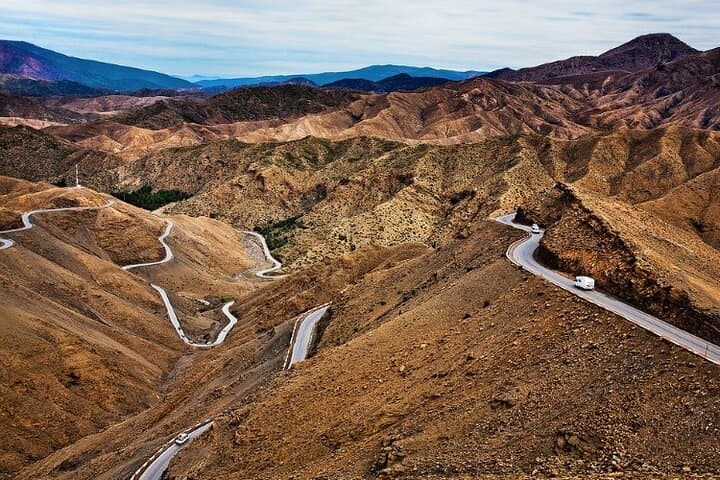
The first light over the High Atlas slips through the minaret-studded skyline of Marrakech, and by midmorning the road has become a ribbon of ochre cutting toward red-stone kasbahs and the wind-sculpted dunes of Erg Chigaga. Travelers spend a long day crossing Tizi n’Tichka, passing the ruined Glaoui kasbahs, and watching the Ounila Valley fold into terraces and almond trees before the landscape opens into the vast silence of the Sahara.
Verified experiences and guided adventures in the surrounding area.
Operated by Morocco Tour Marrakech · M'Hamid, Drâa-Tafilalet
The first light over the High Atlas slips through the minaret-studded skyline of Marrakech, and by midmorning the road has become a ribbon of ochre cutting toward red-stone kasbahs and the wind-sculpted dunes of Erg Chigaga. Travelers spend a long day crossing Tizi n’Tichka, passing the ruined Glaoui kasbahs, and watching the Ounila Valley fold into terraces and almond trees before the landscape opens into the vast silence of the Sahara.
This route follows old caravan highways that linked sub‑Saharan trade to Moroccan markets; forts and ksars like Aït Ben Haddou mark the region’s history of adobe architecture and film sets. Geologically, the tour moves from High Atlas metamorphics to hammada (stony plateaus) and finally to the mobile sands of an erg — wind constantly reshapes the ridges, so dunes that stand tall one season can soften the next. Local culture is Berber at its core: pottery in Tamgroute, handwoven carpets in Taznakht and storytellers around the campfire reflect centuries of desert life.
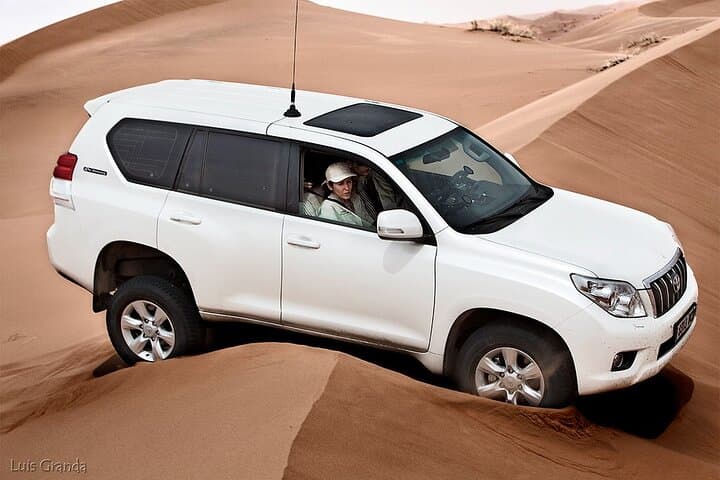
Expect long, scenic drives with off‑road sections, a moderate camel trek (about 1–1.5 hours) and an overnight in comfortable desert tents with private bathrooms at camp. Practical tips: start early to avoid midday heat, bring layered clothing for cold desert nights, and carry sufficient water and sunscreen. Photography windows are dawn and dusk; listen to guides on fragile dune surfaces to avoid damage. The experience is equal parts landscape and logistics — plan for long transfers, limited cell signal, and the rare mirage that seems to move as you approach.
moderate.
3 days (approx. 72 hours).
Suitable for travelers in average fitness; requires ability to mount camels and manage short dune walks.
Typical camel treks on this itinerary last about 1–1.5 hours and are gentle; guides load and lead animals, so prior experience isn’t required.
Camps on this tour advertise comfort tents with private bathrooms and proper beds, though quality varies by operator — expect simple luxury rather than hotel standards.
The tour notes stroller accessibility and wheelchair‑accessible transport options, but camel rides and dune terrain are not wheelchair‑friendly; confirm specific needs with the operator.
Fall and spring offer the most comfortable daytime temperatures; winter is cool at night and summer can be very hot during the day.
This corridor follows historic trans‑Saharan caravan routes; ksars and kasbahs served as trading stops and political centers for Berber tribes and pashas.
The erg’s sand dunes are sensitive to vehicle tracks and camp placement; stay on designated tracks, pack out waste and follow local guide instructions to protect fragile habitats.
Morocco Tour Marrakech operates guided outdoor trips and adventures with an emphasis on safety, stewardship, and memorable experiences.


The first light over the High Atlas slips through the minaret-studded skyline of Marrakech, and by midmorning the road has become a ribbon of ochre cutting toward red-stone kasbahs and the wind-sculpted dunes of Erg Chigaga. Travelers spend a long day crossing Tizi n’Tichka, passing the ruined Glaoui kasbahs, and watching the Ounila Valley fold into terraces and almond trees before the landscape opens into the vast silence of the Sahara.
The first light over the High Atlas slips through the minaret-studded skyline of Marrakech, and by midmorning the road has become a ribbon of ochre cutting toward red-stone kasbahs and the wind-sculpted dunes of Erg Chigaga. Travelers spend a long day crossing Tizi n’Tichka, passing the ruined Glaoui kasbahs, and watching the Ounila Valley fold into terraces and almond trees before the landscape opens into the vast silence of the Sahara.
This route follows old caravan highways that linked sub‑Saharan trade to Moroccan markets; forts and ksars like Aït Ben Haddou mark the region’s history of adobe architecture and film sets. Geologically, the tour moves from High Atlas metamorphics to hammada (stony plateaus) and finally to the mobile sands of an erg — wind constantly reshapes the ridges, so dunes that stand tall one season can soften the next. Local culture is Berber at its core: pottery in Tamgroute, handwoven carpets in Taznakht and storytellers around the campfire reflect centuries of desert life.
Expect long, scenic drives with off‑road sections, a moderate camel trek (about 1–1.5 hours) and an overnight in comfortable desert tents with private bathrooms at camp. Practical tips: start early to avoid midday heat, bring layered clothing for cold desert nights, and carry sufficient water and sunscreen. Photography windows are dawn and dusk; listen to guides on fragile dune surfaces to avoid damage. The experience is equal parts landscape and logistics — plan for long transfers, limited cell signal, and the rare mirage that seems to move as you approach.