THE ADVENTURE COLLECTIVE® · Independent discovery and booking for outdoor travel

A compact 3-day circuit from Marrakech connects Casablanca, Rabat, Fez and Chefchaouen via the Atlas and Rif ranges. Expect long scenic drives, guided medina walks, and two nights in riads amid Morocco’s imperial heritage.
A compact 3-day circuit from Marrakech connects Casablanca, Rabat, Fez and Chefchaouen via the Atlas and Rif ranges. Expect long scenic drives, guided medina walks, and two nights in riads amid Morocco’s imperial heritage.
You step out of Marrakech’s ochre dusk into a yawning landscape—road unfurling toward the Atlas, air cooling as palms give way to oak-scarred slopes. The van hums; the Atlas Mountains press like a solid idea against the horizon, and somewhere ahead a troop of barbary macaques watches the road with casual interest.
Verified experiences and guided adventures in the surrounding area.
Operated by CLICK EXCURSIONS · Marrakech, Marrakech-Safi
You step out of Marrakech’s ochre dusk into a yawning landscape—road unfurling toward the Atlas, air cooling as palms give way to oak-scarred slopes. The van hums; the Atlas Mountains press like a solid idea against the horizon, and somewhere ahead a troop of barbary macaques watches the road with casual interest.
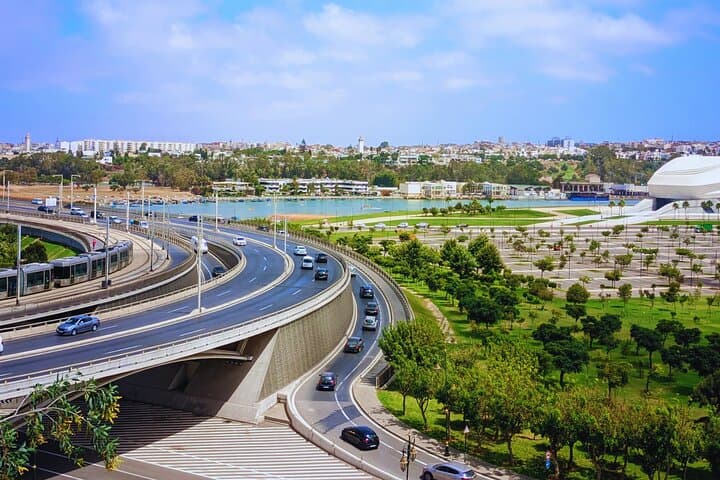
The route threads Morocco’s layers of history: Casablanca’s modern façade and the sea-facing Hassan II Mosque, Rabat’s Oudayas and Hassan Tower with their Almohad stonework, then Fez—the medieval medina that grew around Koranic schools and craftspeople from the 7th century onward. Geologically, the Atlas and Rif ranges are folded, erosion-sculpted ridges that force weather inland and create green corridors where villages cling to terraces.
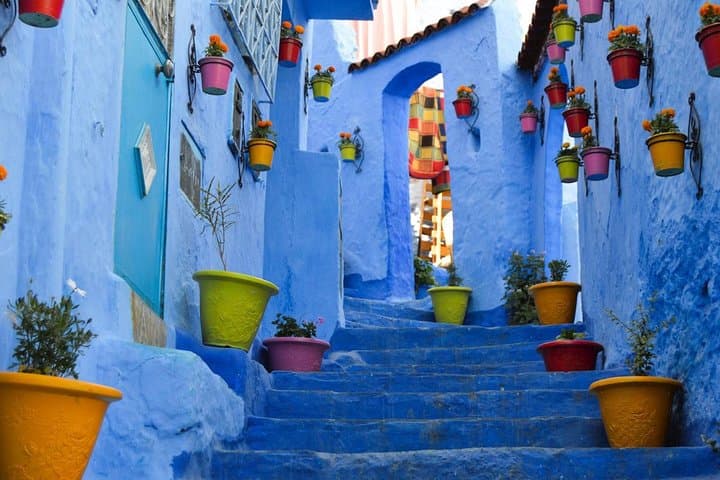
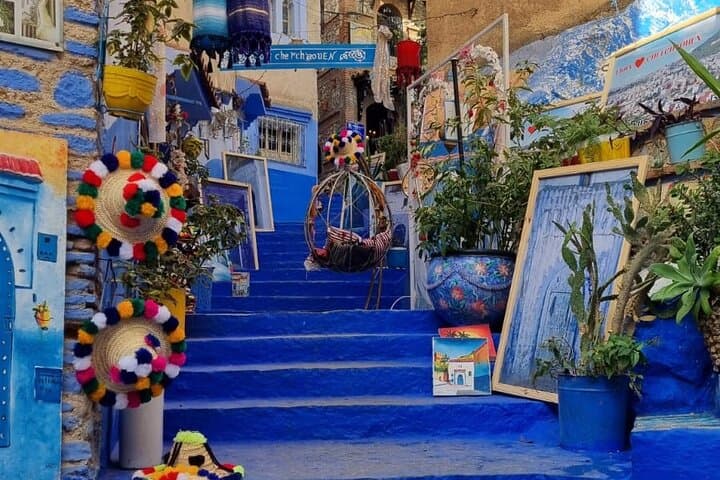
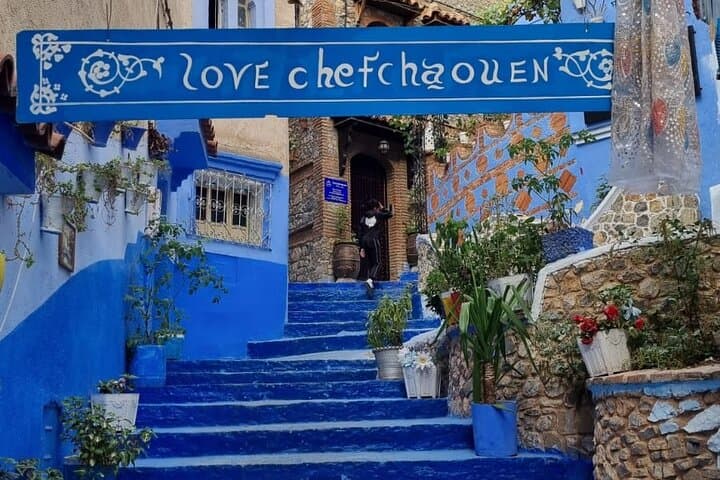
Chefchaouen’s blue alleys offer a gentler tempo—painted walls, artisans, and mountain views that frame the Rif’s limestone shoulders. Local life blends Arab, Berber and Andalusi influences; markets pulse with preserved lemons, spices and handwoven textiles.
Practically, expect long but comfortable driving days broken by guided city walks and timed stops for lunch and photo viewpoints. Streets in Fez and Chefchaouen are cobbled and narrow—good mobility and steady footing matter. Nights are spent in riads or small hotels; breakfasts and two dinners are included, with a local guide leading city tours.
Bring layered clothing for cool mountain mornings, sturdy shoes for uneven medina streets, sun protection, and a daypack for water and camera gear. Timing early departures and hydration will keep the trip smooth—this circuit is equal parts cultural immersion and scenic passage through Morocco’s spine.
moderate.
3 days.
Light to moderate—suitable for travelers who can walk for 1–3 hours at a time on uneven surfaces and tolerate long vehicle transfers.
Expect long transfers: Day 1 and Day 3 include multiple 4–6 hour driving legs with stops; Day 2 mixes a morning in Fez with a 4–5 hour transfer to Chefchaouen.
The itinerary lists guided city tours and accommodation; specific attraction entrance fees may not be included—check the booking details or ask your operator before travel.
Transportation and many city areas are accessible, but medina streets are often cobbled and narrow, which can be challenging for mobility devices despite transport accessibility.
The tour includes two dinners and two breakfasts; lunches are typically at stops and are not always included unless specified in the booking details.
Fez’s medina developed from early Islamic cities and became a cultural center by the 9th century; Chefchaouen was founded in 1471 with Andalusi influence evident in architecture and craft traditions.
Water scarcity and erosion are local concerns—travelers should minimize water waste, stay on marked paths, and avoid leaving litter in medinas and mountain stops.
CLICK EXCURSIONS operates guided outdoor trips and adventures with an emphasis on safety, stewardship, and memorable experiences.
You step out of Marrakech’s ochre dusk into a yawning landscape—road unfurling toward the Atlas, air cooling as palms give way to oak-scarred slopes. The van hums; the Atlas Mountains press like a solid idea against the horizon, and somewhere ahead a troop of barbary macaques watches the road with casual interest.
You step out of Marrakech’s ochre dusk into a yawning landscape—road unfurling toward the Atlas, air cooling as palms give way to oak-scarred slopes. The van hums; the Atlas Mountains press like a solid idea against the horizon, and somewhere ahead a troop of barbary macaques watches the road with casual interest.
The route threads Morocco’s layers of history: Casablanca’s modern façade and the sea-facing Hassan II Mosque, Rabat’s Oudayas and Hassan Tower with their Almohad stonework, then Fez—the medieval medina that grew around Koranic schools and craftspeople from the 7th century onward. Geologically, the Atlas and Rif ranges are folded, erosion-sculpted ridges that force weather inland and create green corridors where villages cling to terraces.
Chefchaouen’s blue alleys offer a gentler tempo—painted walls, artisans, and mountain views that frame the Rif’s limestone shoulders. Local life blends Arab, Berber and Andalusi influences; markets pulse with preserved lemons, spices and handwoven textiles.
Practically, expect long but comfortable driving days broken by guided city walks and timed stops for lunch and photo viewpoints. Streets in Fez and Chefchaouen are cobbled and narrow—good mobility and steady footing matter. Nights are spent in riads or small hotels; breakfasts and two dinners are included, with a local guide leading city tours.
Bring layered clothing for cool mountain mornings, sturdy shoes for uneven medina streets, sun protection, and a daypack for water and camera gear. Timing early departures and hydration will keep the trip smooth—this circuit is equal parts cultural immersion and scenic passage through Morocco’s spine.