THE ADVENTURE COLLECTIVE® · Independent discovery and booking for outdoor travel

A compact three-day ascent on the Marangu Route that moves from rainforest into alpine desert, sleeping in mountain huts and summiting with strong pace and proper acclimatization. Ideal for travelers short on time who want a full Kilimanjaro experience with lodge-style sleeping. Read on for terrain notes, planning tips, and what to pack.
A compact three-day ascent on the Marangu Route that moves from rainforest into alpine desert, sleeping in mountain huts and summiting with strong pace and proper acclimatization. Ideal for travelers short on time who want a full Kilimanjaro experience with lodge-style sleeping. Read on for terrain notes, planning tips, and what to pack.
A cool morning on the lower slopes of Kilimanjaro begins with mist in the camphor forest and the steady rhythm of porters packing for the day. Climbers set off from Marangu Gate, stepping from leafy trail into moorland that opens toward the jagged skyline of Kibo and Mawenzi. The mountain presses forward like a living map of climates; each hour up changes the air and the view.
Verified experiences and guided adventures in the surrounding area.
Operated by Roving Africa Safaris · Moshi, Kilimanjaro Region
A cool morning on the lower slopes of Kilimanjaro begins with mist in the camphor forest and the steady rhythm of porters packing for the day. Climbers set off from Marangu Gate, stepping from leafy trail into moorland that opens toward the jagged skyline of Kibo and Mawenzi. The mountain presses forward like a living map of climates; each hour up changes the air and the view.
The Marangu Route carries a long history as one of the original approaches used by early explorers and colonial surveyors. Geologically, Kilimanjaro is a dormant stratovolcano—layers of lava and ash stacked over millennia—and the Marangu path traces old lava flows and eroded ridgelines. Culturally, the Chagga people of the southern slopes have farmed the lower elevations for generations; villages around Moshi provide final supplies and local guides familiar with trail rhythms.
On this three-day itinerary climbers sleep in mountain huts, move from rainforest to giant heather and then to alpine desert, and experience altitude as a central challenge. Expect rocky steps, loose scree on descents, and cold nights; clear days can offer wide views of Tanzania’s plains.
Practical guidance: pace conservatively, drink often, and carry layered insulation for subzero nights. Footwear should be broken in, and a headlamp is useful in shared hut dormitories. Allow time in Moshi or Arusha before and after the trek for logistics and recovery—this route prioritizes accessibility but still demands respect for altitude and weather.
challenging.
3 days.
Moderately fit: regular cardio and multi-hour hiking experience recommended; ability to carry a daypack on steep, uneven terrain.
No technical climbing skills are required on the Marangu Route; however, experience with multi-day hikes and altitude awareness is important.
Huts offer dormitory-style rooms with bunk beds and basic facilities; bring a warm sleeping liner and expect shared sanitation blocks.
June to October are the driest months and typically offer the most stable weather and clearer summit views.
Day 1 is 3–5 hours to Mandara Hut, Day 2 6–7 hours to Horombo, and Day 3 7–8 hours returning to Marangu Gate—expect full days with steady ascents and descents.
Marangu has long been a favored route since the early 20th century; the huts evolved to accommodate growing visitor traffic and government park management.
Kilimanjaro National Park limits daily numbers and requires registered guides; stick to trails, pack out waste where required, and respect local water sources.
Roving Africa Safaris operates guided outdoor trips and adventures with an emphasis on safety, stewardship, and memorable experiences.
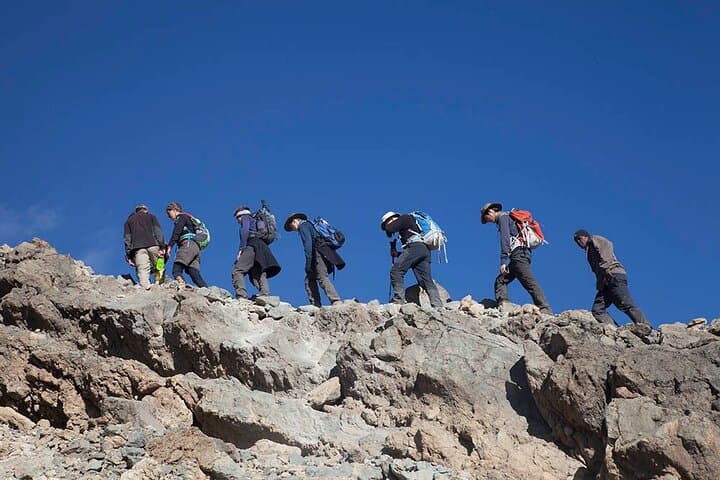
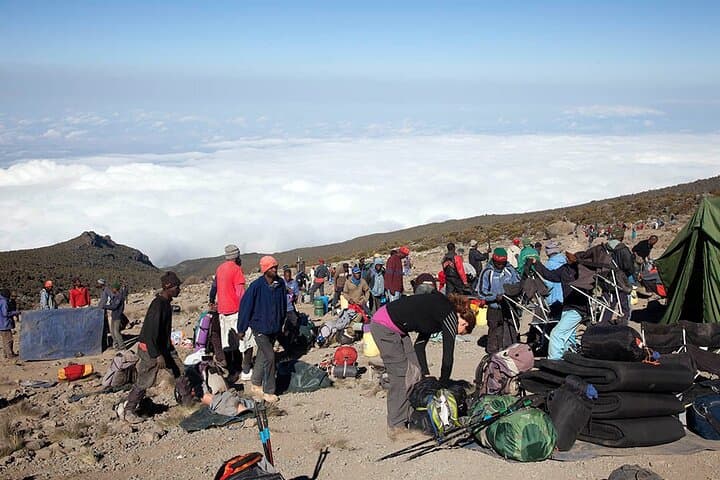
A cool morning on the lower slopes of Kilimanjaro begins with mist in the camphor forest and the steady rhythm of porters packing for the day. Climbers set off from Marangu Gate, stepping from leafy trail into moorland that opens toward the jagged skyline of Kibo and Mawenzi. The mountain presses forward like a living map of climates; each hour up changes the air and the view.
A cool morning on the lower slopes of Kilimanjaro begins with mist in the camphor forest and the steady rhythm of porters packing for the day. Climbers set off from Marangu Gate, stepping from leafy trail into moorland that opens toward the jagged skyline of Kibo and Mawenzi. The mountain presses forward like a living map of climates; each hour up changes the air and the view.
The Marangu Route carries a long history as one of the original approaches used by early explorers and colonial surveyors. Geologically, Kilimanjaro is a dormant stratovolcano—layers of lava and ash stacked over millennia—and the Marangu path traces old lava flows and eroded ridgelines. Culturally, the Chagga people of the southern slopes have farmed the lower elevations for generations; villages around Moshi provide final supplies and local guides familiar with trail rhythms.
On this three-day itinerary climbers sleep in mountain huts, move from rainforest to giant heather and then to alpine desert, and experience altitude as a central challenge. Expect rocky steps, loose scree on descents, and cold nights; clear days can offer wide views of Tanzania’s plains.
Practical guidance: pace conservatively, drink often, and carry layered insulation for subzero nights. Footwear should be broken in, and a headlamp is useful in shared hut dormitories. Allow time in Moshi or Arusha before and after the trek for logistics and recovery—this route prioritizes accessibility but still demands respect for altitude and weather.