THE ADVENTURE COLLECTIVE® · Independent discovery and booking for outdoor travel

Three days of driving and game-viewing that pack Lake Manyara’s birdlife, Tarangire’s elephants and the Ngorongoro Crater’s dramatic caldera into a compact circuit. Early starts, open 4x4s and experienced guides make this a high-value Tanzania introduction.
Three days of driving and game-viewing that pack Lake Manyara’s birdlife, Tarangire’s elephants and the Ngorongoro Crater’s dramatic caldera into a compact circuit. Early starts, open 4x4s and experienced guides make this a high-value Tanzania introduction.
A dust-sprayed jeep eases through a ribbon of acacia and baobab, early light slanting across a bowl of plains fog below the crater rim. On day one the road threads Mto wa Mbu’s bustling market toward Lake Manyara’s shoreline where birdlife crowds reedbeds and lions sometimes rest in fever trees.
Verified experiences and guided adventures in the surrounding area.
Operated by Joagro Safaris Tanzania · Arusha, Arusha Region
A dust-sprayed jeep eases through a ribbon of acacia and baobab, early light slanting across a bowl of plains fog below the crater rim. On day one the road threads Mto wa Mbu’s bustling market toward Lake Manyara’s shoreline where birdlife crowds reedbeds and lions sometimes rest in fever trees.
This three-day circuit crosses distinct geological chapters: soda flats and shallow lakes at Manyara, the deep volcanic caldera of Ngorongoro—formed when an enormous volcano collapsed—and the undulating woodlands and riverine corridors of Tarangire. The landscape is also cultural: Maasai herders and their livestock work grazing corridors through the Ngorongoro Conservation Area, and village markets around Manyara show local crafts and banana plantations.
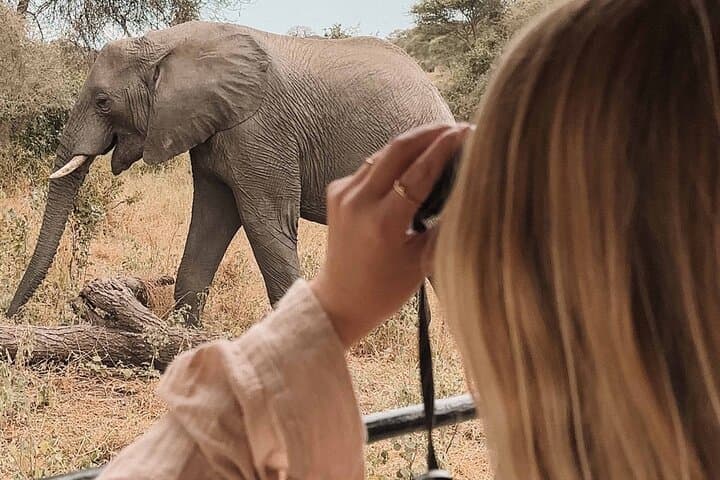
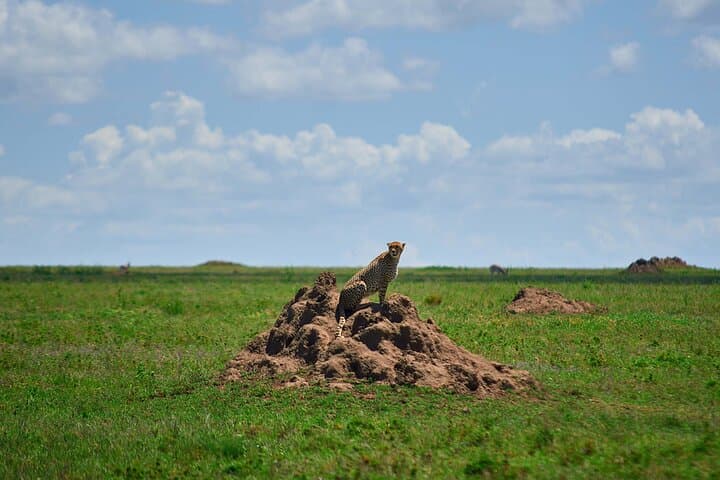
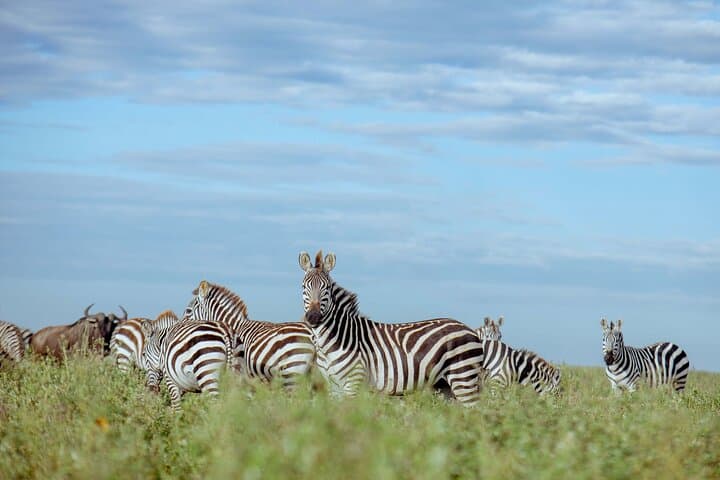
Wildlife variety is the tour’s core. Expect large elephant herds and iconic baobabs in Tarangire, flamingo-streaked shallows at Lake Manyara, and a concentrated mosaic of grazers and predators inside Ngorongoro’s crater floor. Guides read spoor and seasonally shifting herds; photographic opportunities are frequent from an open-sided 4x4.
Practical guide: start drives at first light for best sightings and cooler temperatures, carry sun protection and a small daypack, and plan for bumpy unpaved roads and early mornings. Lodging is typically in Arusha-region lodges near park gates; park permits, vehicle passes and ranger briefings are handled by the operator. Bring binoculars, layered clothing, modest cash for tips and markets, and malaria precautions — then let the rhythm of the parks set the pace.
moderate.
3 days.
No special fitness required for game drives, but participants should be comfortable entering/exiting vehicles and tolerating long days seated.
The tour listing indicates fees and taxes are included; confirm specific park permits with the operator on booking.
The operator notes wheelchair accessibility and infant seats; however game drives use open 4x4s and crater terrain can be uneven—advise the provider of mobility needs in advance.
Tanzania requires routine vaccinations; malaria is present—consult a travel clinic for recommended vaccines and antimalarial medication before travel.
Tipping is customary; prepare small notes for guides, drivers and lodge staff and ask your guide for local guidance on appropriate amounts.
Ngorongoro is a collapsed volcanic caldera formed by a massive eruption millions of years ago; the conservation area also supports traditional Maasai grazing rights.
Ngorongoro and the surrounding parks operate under strict conservation rules and a carrying-capacity approach; visitors should follow park guidance, minimize disturbance and support local conservation fees.
Joagro Safaris Tanzania operates guided outdoor trips and adventures with an emphasis on safety, stewardship, and memorable experiences.
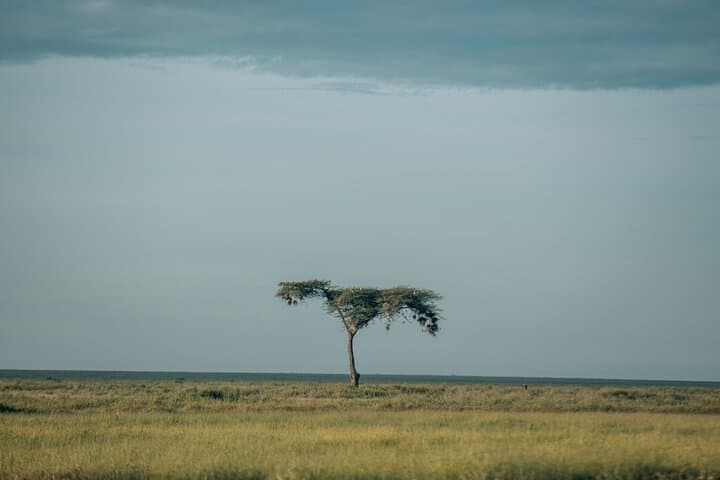
A dust-sprayed jeep eases through a ribbon of acacia and baobab, early light slanting across a bowl of plains fog below the crater rim. On day one the road threads Mto wa Mbu’s bustling market toward Lake Manyara’s shoreline where birdlife crowds reedbeds and lions sometimes rest in fever trees.
A dust-sprayed jeep eases through a ribbon of acacia and baobab, early light slanting across a bowl of plains fog below the crater rim. On day one the road threads Mto wa Mbu’s bustling market toward Lake Manyara’s shoreline where birdlife crowds reedbeds and lions sometimes rest in fever trees.
This three-day circuit crosses distinct geological chapters: soda flats and shallow lakes at Manyara, the deep volcanic caldera of Ngorongoro—formed when an enormous volcano collapsed—and the undulating woodlands and riverine corridors of Tarangire. The landscape is also cultural: Maasai herders and their livestock work grazing corridors through the Ngorongoro Conservation Area, and village markets around Manyara show local crafts and banana plantations.
Wildlife variety is the tour’s core. Expect large elephant herds and iconic baobabs in Tarangire, flamingo-streaked shallows at Lake Manyara, and a concentrated mosaic of grazers and predators inside Ngorongoro’s crater floor. Guides read spoor and seasonally shifting herds; photographic opportunities are frequent from an open-sided 4x4.
Practical guide: start drives at first light for best sightings and cooler temperatures, carry sun protection and a small daypack, and plan for bumpy unpaved roads and early mornings. Lodging is typically in Arusha-region lodges near park gates; park permits, vehicle passes and ranger briefings are handled by the operator. Bring binoculars, layered clothing, modest cash for tips and markets, and malaria precautions — then let the rhythm of the parks set the pace.