THE ADVENTURE COLLECTIVE® · Independent discovery and booking for outdoor travel

A compact three-day route from Cusco into Manu National Park that combines cloud-forest hikes, river travel, lodge nights, and an unforgettable clay-lick macaw spectacle. Ideal for travelers who want a deep Amazon experience on a limited schedule.
A compact three-day route from Cusco into Manu National Park that combines cloud-forest hikes, river travel, lodge nights, and an unforgettable clay-lick macaw spectacle. Ideal for travelers who want a deep Amazon experience on a limited schedule.
Before sunrise you leave the thin air of the Andes and follow a road that descends into humid green—the mountains give way to cloud forest and then the broad, slow rivers of the lowland Amazon. Early morning at the clay lick is a quiet theater: macaws wheel in brilliant arcs, parrots gather by the riverbank, and the forest seems to breathe around the lodge.
Verified experiences and guided adventures in the surrounding area.
Operated by Trails to Machu Picchu · Cusco, Cusco Region
Before sunrise you leave the thin air of the Andes and follow a road that descends into humid green—the mountains give way to cloud forest and then the broad, slow rivers of the lowland Amazon. Early morning at the clay lick is a quiet theater: macaws wheel in brilliant arcs, parrots gather by the riverbank, and the forest seems to breathe around the lodge.
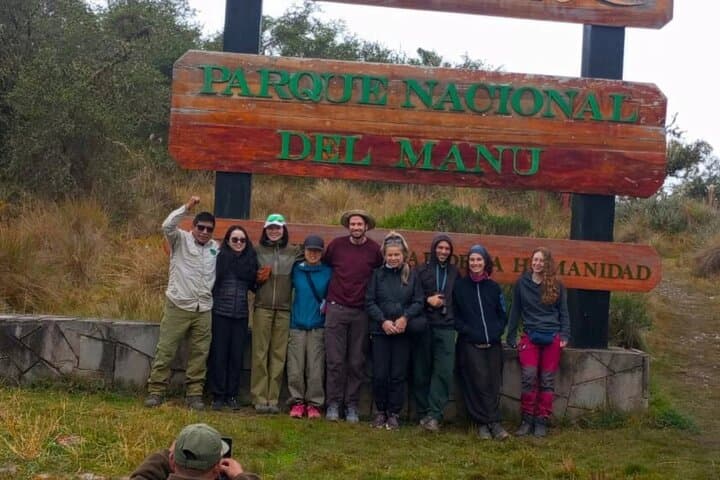
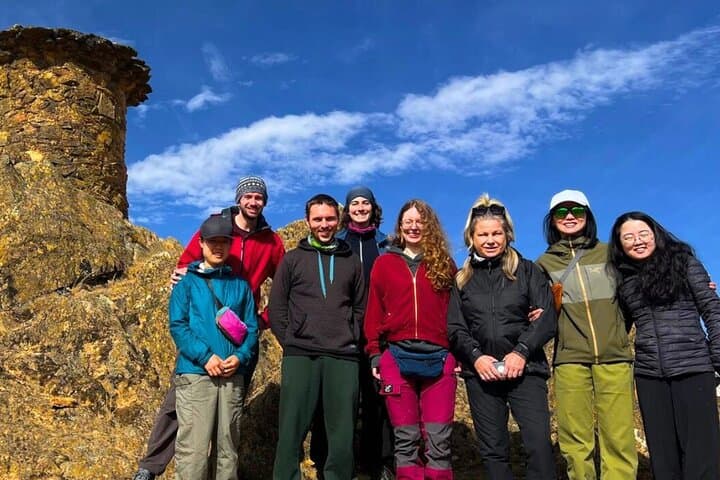
Manu National Park is one of the most biodiverse places on Earth, carved by the Madre de Dios and shaped where the eastern Andes meet lowland rainforest. The route passes pre-Incan tombs at Ninamarca and the colonial streets of Paucartambo before climbing to Acjanaco pass, where highland puna drops into montane cloud forest. Indigenous Quechua culture and Amazonian livelihood intersect here—traditional plant knowledge and small river communities are part of the region’s living history.
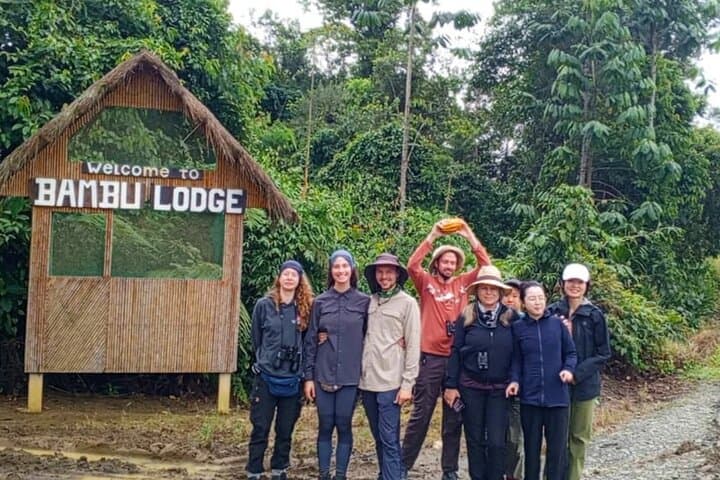
On this three-day itinerary you move by van, then boat, and on foot: short guided hikes in cloud forest, riverside navigation to Soga de Oro lodge, a dusk wildlife walk, and an early-morning visit to a clay lick for macaws. Expect mud, humidity, close wildlife encounters, and comfortable lodge accommodation rather than camping.
Practical guidance: travel light but prepared—waterproof boots, insect protection, layered clothing, and binoculars matter. Altitude changes along the route mean bring electrolytes and move at a steady pace. Guides handle logistics and meals; focus on quiet observation at the clay lick and keeping distance from wildlife. The trip is immersive but accessible—bring curiosity and a sense of patient observation.
moderate.
3 days (approx. 72 hours).
Basic to moderate fitness; able to handle short hikes on uneven, muddy trails, boat transfers, and long travel days.
The tour is rated easy to moderate: most walks are short but on uneven, sometimes muddy terrain; long drives and boat transfers are part of the itinerary.
Two nights in jungle lodges with breakfasts, lunches, and dinners provided; local-style meals served at lodges and during travel are included.
Sightings are common, especially at dawn—dozens of parrots and macaws often gather, but wildlife is never guaranteed and depends on conditions.
Yes—you start in Cusco and cross high passes above 3,500 m before descending to the lowlands; allow time in Cusco to acclimatize and follow guides’ advice.
The Manu region has long been occupied by indigenous groups and was later traversed by Andean peoples; archaeological sites like Ninamarca reflect pre-Incan occupation.
Manu is a protected UNESCO biosphere reserve—visitors should minimize waste, avoid single-use plastics, and follow guides’ instructions to reduce disturbance to wildlife.
Trails to Machu Picchu operates guided outdoor trips and adventures with an emphasis on safety, stewardship, and memorable experiences.
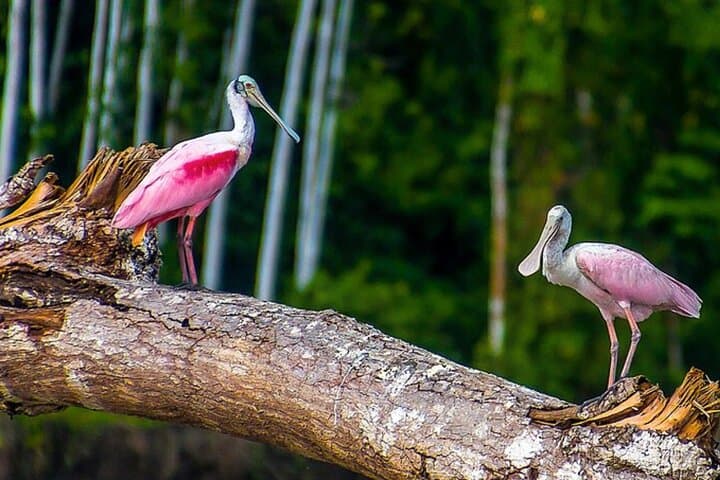
Before sunrise you leave the thin air of the Andes and follow a road that descends into humid green—the mountains give way to cloud forest and then the broad, slow rivers of the lowland Amazon. Early morning at the clay lick is a quiet theater: macaws wheel in brilliant arcs, parrots gather by the riverbank, and the forest seems to breathe around the lodge.
Before sunrise you leave the thin air of the Andes and follow a road that descends into humid green—the mountains give way to cloud forest and then the broad, slow rivers of the lowland Amazon. Early morning at the clay lick is a quiet theater: macaws wheel in brilliant arcs, parrots gather by the riverbank, and the forest seems to breathe around the lodge.
Manu National Park is one of the most biodiverse places on Earth, carved by the Madre de Dios and shaped where the eastern Andes meet lowland rainforest. The route passes pre-Incan tombs at Ninamarca and the colonial streets of Paucartambo before climbing to Acjanaco pass, where highland puna drops into montane cloud forest. Indigenous Quechua culture and Amazonian livelihood intersect here—traditional plant knowledge and small river communities are part of the region’s living history.
On this three-day itinerary you move by van, then boat, and on foot: short guided hikes in cloud forest, riverside navigation to Soga de Oro lodge, a dusk wildlife walk, and an early-morning visit to a clay lick for macaws. Expect mud, humidity, close wildlife encounters, and comfortable lodge accommodation rather than camping.
Practical guidance: travel light but prepared—waterproof boots, insect protection, layered clothing, and binoculars matter. Altitude changes along the route mean bring electrolytes and move at a steady pace. Guides handle logistics and meals; focus on quiet observation at the clay lick and keeping distance from wildlife. The trip is immersive but accessible—bring curiosity and a sense of patient observation.