THE ADVENTURE COLLECTIVE® · Independent discovery and booking for outdoor travel

A compact three-day journey from Cusco into Manu National Park that mixes cloud-forest walks, river travel and lodge-based wildlife watching. Ideal for travelers short on time who want a concentrated rainforest experience.
A compact three-day journey from Cusco into Manu National Park that mixes cloud-forest walks, river travel and lodge-based wildlife watching. Ideal for travelers short on time who want a concentrated rainforest experience.
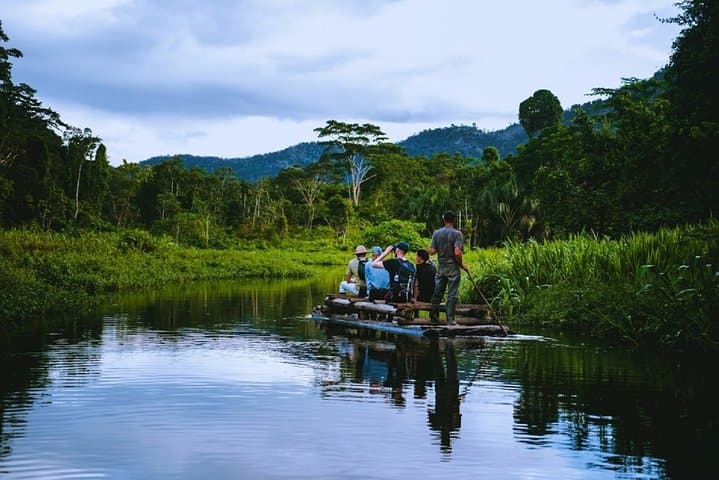
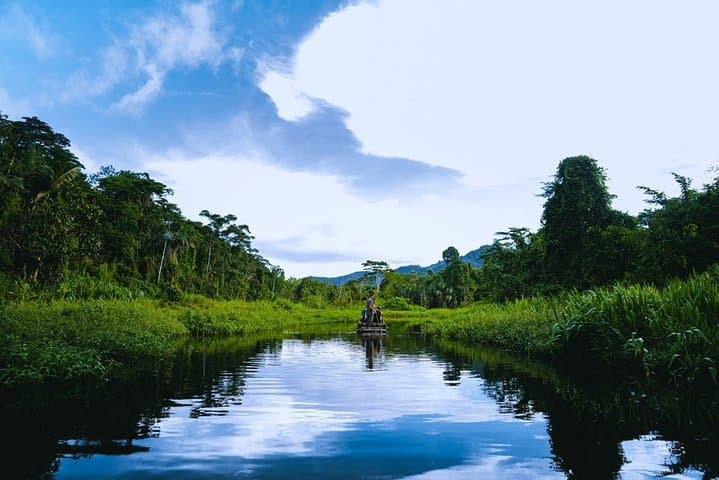
Dawn arrives humid and green as the minibus peels out of Cusco and the Andes begin to fold into cloud forest. By late morning the air has the soft, pungent scent of wet earth; orchids and bromeliads press close to the trail, and the river beyond the trees calls with a low, steady voice. This three-day itinerary moves quickly from highland vistas to the lowland rainforest, sleeping in basic ecological lodges and traveling by boat where the forest narrows to a ribbon of water.
Verified experiences and guided adventures in the surrounding area.
Operated by Tangol · Cusco, Cusco Region
Dawn arrives humid and green as the minibus peels out of Cusco and the Andes begin to fold into cloud forest. By late morning the air has the soft, pungent scent of wet earth; orchids and bromeliads press close to the trail, and the river beyond the trees calls with a low, steady voice. This three-day itinerary moves quickly from highland vistas to the lowland rainforest, sleeping in basic ecological lodges and traveling by boat where the forest narrows to a ribbon of water.
Manu National Park is a UNESCO Biosphere Reserve spanning Andean slope and Amazonian lowlands; its geology records steep elevation drops and ancient river terraces that feed immense biodiversity. Local communities around Pilcopata and Atalaya have long histories of river transport, hunting, and small-scale agriculture; today guides balance traditional knowledge with modern conservation practice.
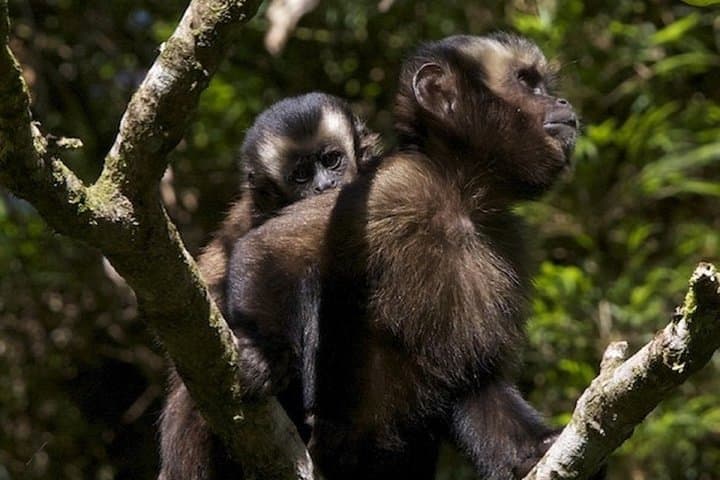
Expect guided dawn bird surveys for the Andean cock-of-the-rock, low-impact night walks for frogs and insects, and a boat trip to clay licks where macaws and parrots descend. Terrain ranges from uneven dirt roads and lodge trails (short, humid hikes) to flat river travel; rafting options are class I–II.
Practicalities: pack quick‑dry clothes, reliable hiking shoes and strong insect repellent; bring cash for tips and extras, and be ready for warm, wet days and cooler nights at higher stops. Health-wise, basic fitness for uneven paths is enough; altitude is highest at the start near Paucartambo but the bulk of time is lower, tropical elevation. The trip is a compact, accessible way to see Manu’s wildlife and rivers when time is limited.
moderate.
3 days (≈72 hours).
Light to moderate fitness: able to walk on uneven, sometimes muddy trails and board small boats
Consult a travel clinic before travel—yellow fever and routine vaccinations are commonly recommended for Amazon travel, and anti-malarial advice may apply depending on specific locations.
Children are welcome; infants under 3 may be complimentary if seated on a lap, but parents should consider long drives, boat transfers and basic lodge conditions.
Secure shoes or sandals, dry bags for electronics, sunscreen and a hat—boat decks can be wet and exposed to sun between tree corridors.
Walks are generally short (trail networks exist up to ~15 km) and on uneven dirt—no technical climbing but you should be comfortable on muddy slopes and roots.
Manu was designated a UNESCO Biosphere Reserve for its elevation gradient and intact ecosystems; indigenous and campesino communities have shaped river routes and resource use for generations.
Visitor numbers and guided trails are managed to reduce disturbance; practice carry-in/carry-out principles and follow guide instructions to protect fragile habitats.
Tangol operates guided outdoor trips and adventures with an emphasis on safety, stewardship, and memorable experiences.
Dawn arrives humid and green as the minibus peels out of Cusco and the Andes begin to fold into cloud forest. By late morning the air has the soft, pungent scent of wet earth; orchids and bromeliads press close to the trail, and the river beyond the trees calls with a low, steady voice. This three-day itinerary moves quickly from highland vistas to the lowland rainforest, sleeping in basic ecological lodges and traveling by boat where the forest narrows to a ribbon of water.
Dawn arrives humid and green as the minibus peels out of Cusco and the Andes begin to fold into cloud forest. By late morning the air has the soft, pungent scent of wet earth; orchids and bromeliads press close to the trail, and the river beyond the trees calls with a low, steady voice. This three-day itinerary moves quickly from highland vistas to the lowland rainforest, sleeping in basic ecological lodges and traveling by boat where the forest narrows to a ribbon of water.
Manu National Park is a UNESCO Biosphere Reserve spanning Andean slope and Amazonian lowlands; its geology records steep elevation drops and ancient river terraces that feed immense biodiversity. Local communities around Pilcopata and Atalaya have long histories of river transport, hunting, and small-scale agriculture; today guides balance traditional knowledge with modern conservation practice.
Expect guided dawn bird surveys for the Andean cock-of-the-rock, low-impact night walks for frogs and insects, and a boat trip to clay licks where macaws and parrots descend. Terrain ranges from uneven dirt roads and lodge trails (short, humid hikes) to flat river travel; rafting options are class I–II.
Practicalities: pack quick‑dry clothes, reliable hiking shoes and strong insect repellent; bring cash for tips and extras, and be ready for warm, wet days and cooler nights at higher stops. Health-wise, basic fitness for uneven paths is enough; altitude is highest at the start near Paucartambo but the bulk of time is lower, tropical elevation. The trip is a compact, accessible way to see Manu’s wildlife and rivers when time is limited.