THE ADVENTURE COLLECTIVE® · Independent discovery and booking for outdoor travel

A three-day descent from Cusco into Manu’s cloud forest and lowland basin—obsessive birdwatching at clay licks, boat travel on the Madre de Dios, and guided night walks reveal unique wildlife and Andean-to-Amazon transitions. Early mornings and long road sections are rewarded with intense biodiversity and authentic local culture.
A three-day descent from Cusco into Manu’s cloud forest and lowland basin—obsessive birdwatching at clay licks, boat travel on the Madre de Dios, and guided night walks reveal unique wildlife and Andean-to-Amazon transitions. Early mornings and long road sections are rewarded with intense biodiversity and authentic local culture.
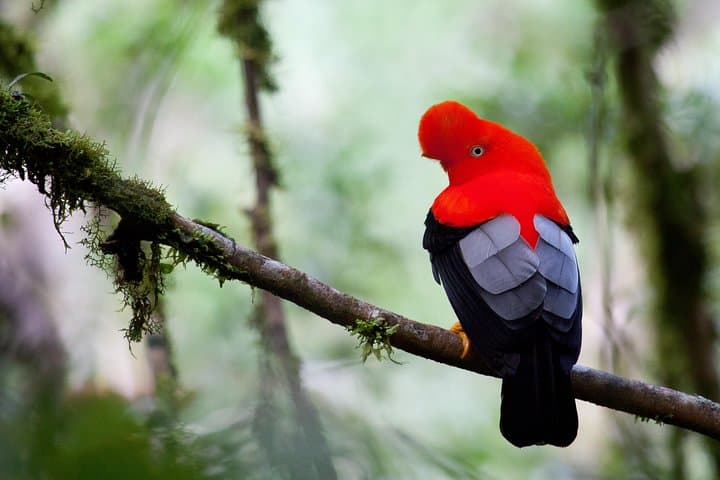
Dawn in the high Andes is a cool, thin light; by mid-day the road drops through cloud-wreathed valleys and the air thickens with the humid breath of the cloud forest. On this three-day Manu route you trade Cusco's stone streets for river wake and leaf-strewn trails, arriving at lodges that sit at the edge of primary forest where orchids cling to trunks and cock-of-the-rocks stage their bright courtship.
Verified experiences and guided adventures in the surrounding area.
Operated by Valencia Travel Agency S.a.c. · Cusco, Cusco Region
Dawn in the high Andes is a cool, thin light; by mid-day the road drops through cloud-wreathed valleys and the air thickens with the humid breath of the cloud forest. On this three-day Manu route you trade Cusco's stone streets for river wake and leaf-strewn trails, arriving at lodges that sit at the edge of primary forest where orchids cling to trunks and cock-of-the-rocks stage their bright courtship.
Manu National Park was created to protect one of the world’s richest biological corridors, a steep altitudinal gradient where Andean geology—folded, eroded ridgelines—meets Amazonian plains. The route threads colonial towns like Paucartambo and small villages such as Pilcopata, places shaped by Quechua and mestizo culture and by river transport that has moved people and goods for generations.
Expect early starts for bird blinds and boat rides to river collpas—clay walls where parrots and macaws gather each morning. Trails are a mix of packed dirt, roots and occasional muddy sections; elevation drops from Cusco’s high puna to roughly 700 m at the Madre de Dios basin, so temperature and humidity change rapidly.
Practical edge: bring quick-drying layers, insect protection, and a headlamp for night walks. Guides provide transport, meals and lodge accommodations, but carry water, snacks and binoculars. Plan for long transit days and shuttered cell service; move at the forest’s rhythm—quiet, patient, wide-eyed.
moderate.
3 days.
Moderate fitness—able to handle multi-hour nature walks, early starts, and long vehicle transfers.
Yellow fever vaccination is recommended for travel to parts of the Peruvian Amazon; consult a travel clinic well before departure for up-to-date vaccine and malaria advice.
Expect long road segments—most itineraries include an early morning departure and 6–8 hours of combined driving with stops to reach cloud forest lodges, depending on conditions.
This tour includes two nights’ accommodation in lodges, breakfasts, two lunches and two dinners as listed; confirm any dietary needs at booking time.
No—wildlife sightings depend on season, time of day and luck; however, guided early-morning hides and river collpa visits significantly increase chances of key species.
Manu National Park was established to protect a huge altitudinal biodiversity corridor connecting Andes and Amazon; the area has long-standing indigenous and mestizo communities tied to riverine lifeways.
Visitors are encouraged to stay on trails, avoid single-use plastics, and support community-run lodges that reinvest in local conservation and education.
Valencia Travel Agency S.a.c. operates guided outdoor trips and adventures with an emphasis on safety, stewardship, and memorable experiences.
Dawn in the high Andes is a cool, thin light; by mid-day the road drops through cloud-wreathed valleys and the air thickens with the humid breath of the cloud forest. On this three-day Manu route you trade Cusco's stone streets for river wake and leaf-strewn trails, arriving at lodges that sit at the edge of primary forest where orchids cling to trunks and cock-of-the-rocks stage their bright courtship.
Dawn in the high Andes is a cool, thin light; by mid-day the road drops through cloud-wreathed valleys and the air thickens with the humid breath of the cloud forest. On this three-day Manu route you trade Cusco's stone streets for river wake and leaf-strewn trails, arriving at lodges that sit at the edge of primary forest where orchids cling to trunks and cock-of-the-rocks stage their bright courtship.
Manu National Park was created to protect one of the world’s richest biological corridors, a steep altitudinal gradient where Andean geology—folded, eroded ridgelines—meets Amazonian plains. The route threads colonial towns like Paucartambo and small villages such as Pilcopata, places shaped by Quechua and mestizo culture and by river transport that has moved people and goods for generations.
Expect early starts for bird blinds and boat rides to river collpas—clay walls where parrots and macaws gather each morning. Trails are a mix of packed dirt, roots and occasional muddy sections; elevation drops from Cusco’s high puna to roughly 700 m at the Madre de Dios basin, so temperature and humidity change rapidly.
Practical edge: bring quick-drying layers, insect protection, and a headlamp for night walks. Guides provide transport, meals and lodge accommodations, but carry water, snacks and binoculars. Plan for long transit days and shuttered cell service; move at the forest’s rhythm—quiet, patient, wide-eyed.