THE ADVENTURE COLLECTIVE® · Independent discovery and booking for outdoor travel

A three-day circuit from San Cristóbal de las Casas that pairs Sumidero Canyon’s dramatic river walls with visits to living Tzotzil communities and the blue cascades of Agua Azul and Misol-Ha. Perfect for travelers who want nature, culture and easy walking over a single long weekend.
A three-day circuit from San Cristóbal de las Casas that pairs Sumidero Canyon’s dramatic river walls with visits to living Tzotzil communities and the blue cascades of Agua Azul and Misol-Ha. Perfect for travelers who want nature, culture and easy walking over a single long weekend.
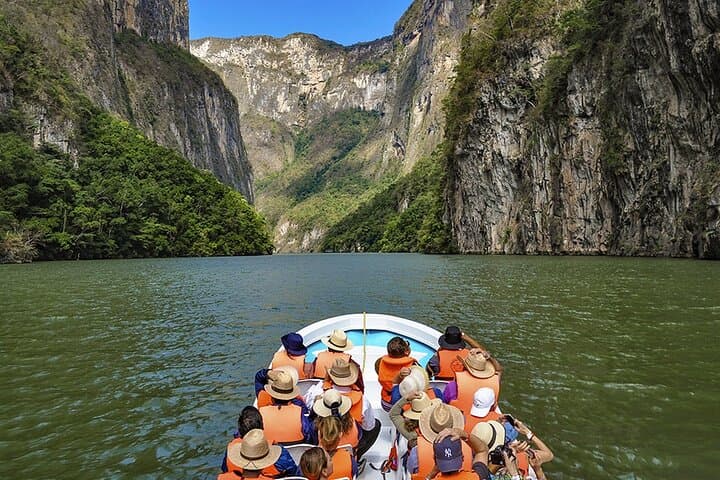
You step out of San Cristóbal’s cool, thin air into a van that hums toward canyon rims and jungle rivers. The first morning, cliffs of the Sumidero Canyon loom like ancient walls; the Grijalva River dares you closer as the boat slips beneath waterfalls and caves. Later, the scent of copal and the glow of candlelight in San Juan Chamula make faith feel tactile — smoke and ritual moving through a space that keeps its own rules.
Verified experiences and guided adventures in the surrounding area.
Operated by OTISA · San Cristóbal de las Casas, Chiapas
You step out of San Cristóbal’s cool, thin air into a van that hums toward canyon rims and jungle rivers. The first morning, cliffs of the Sumidero Canyon loom like ancient walls; the Grijalva River dares you closer as the boat slips beneath waterfalls and caves. Later, the scent of copal and the glow of candlelight in San Juan Chamula make faith feel tactile — smoke and ritual moving through a space that keeps its own rules.
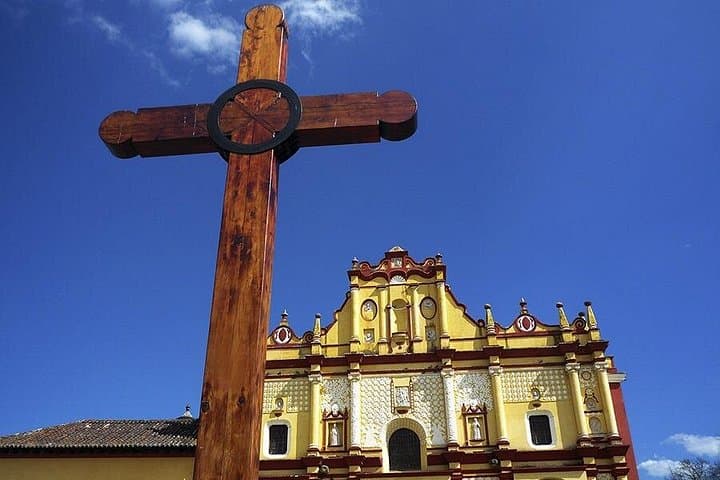
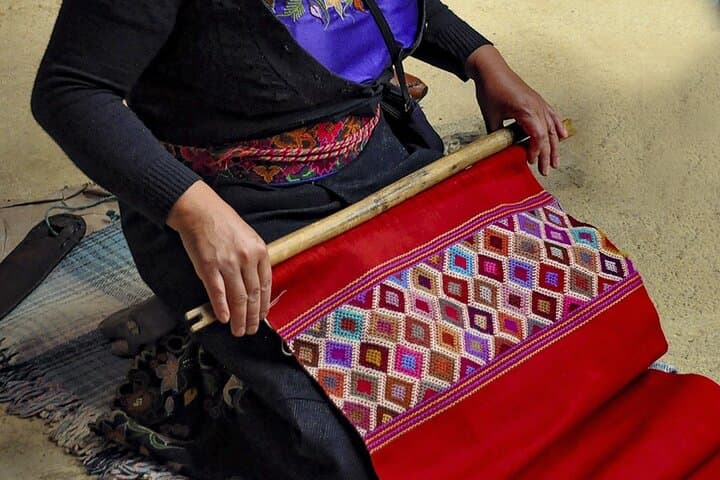
This route stitches together geology and culture: towering limestone and volcanic uplift created Sumidero’s 900-meter walls, while the karst of Agua Azul produces its electric turquoise by reflecting light off calcareous bottoms rich in minerals. Chiapa de Corzo carries colonial layers—the red brick La Pila fountain speaks to 16th-century Spanish urbanism—while Zinacantán preserves Tzotzil textile techniques on waist looms that predate the Conquest.
Practically, expect three full travel days with mostly easy walking, two boat rides (Sumidero and shared boats at the cascades), and short village visits, some on uneven surfaces and dirt paths. Bring breathable layers for cool mornings and hot afternoons, waterproof shoes for slippery riverbanks, and small bills for community purchases.
Timing matters: mornings give calmer waters and clearer light for Agua Azul; afternoons can be busier at viewpoints. Respect community rules in Chamula and Zinacantán—photography and behavior are governed locally. Leave no trace: fragile karst pools and ceremonial sites recover slowly, so stick to paths and follow guides’ instructions.
easy.
3 days (approx. 72 hours).
Suitable for travelers in light to moderate fitness; involves short walks, staircases and standing on boats.
Yes—operators note infants can use strollers and small children can join, but infants under one year and pregnant women should limit boat activity; check with the operator about specific age restrictions.
The itinerary lists shared cultural experiences and local tastings but does not include full meals; plan for snacks, and bring cash for food purchases in villages.
Walking is generally easy: short village strolls, viewpoint stairs and boardings onto boats; expect uneven surfaces and some steps at waterfalls and viewpoints.
Photography and filming are sensitive—follow your guide’s instructions and ask permission; in some sacred spaces photography may be restricted.
Chiapa de Corzo was founded in 1528 and its Mudejar-style La Pila fountain reflects early colonial urban design layered atop indigenous settlements.
Sumidero and Agua Azul are protected areas where erosion and visitor impact are concerns; stay on marked trails, avoid stepping on travertine formations, and support community-run services.
OTISA operates guided outdoor trips and adventures with an emphasis on safety, stewardship, and memorable experiences.

You step out of San Cristóbal’s cool, thin air into a van that hums toward canyon rims and jungle rivers. The first morning, cliffs of the Sumidero Canyon loom like ancient walls; the Grijalva River dares you closer as the boat slips beneath waterfalls and caves. Later, the scent of copal and the glow of candlelight in San Juan Chamula make faith feel tactile — smoke and ritual moving through a space that keeps its own rules.
You step out of San Cristóbal’s cool, thin air into a van that hums toward canyon rims and jungle rivers. The first morning, cliffs of the Sumidero Canyon loom like ancient walls; the Grijalva River dares you closer as the boat slips beneath waterfalls and caves. Later, the scent of copal and the glow of candlelight in San Juan Chamula make faith feel tactile — smoke and ritual moving through a space that keeps its own rules.
This route stitches together geology and culture: towering limestone and volcanic uplift created Sumidero’s 900-meter walls, while the karst of Agua Azul produces its electric turquoise by reflecting light off calcareous bottoms rich in minerals. Chiapa de Corzo carries colonial layers—the red brick La Pila fountain speaks to 16th-century Spanish urbanism—while Zinacantán preserves Tzotzil textile techniques on waist looms that predate the Conquest.
Practically, expect three full travel days with mostly easy walking, two boat rides (Sumidero and shared boats at the cascades), and short village visits, some on uneven surfaces and dirt paths. Bring breathable layers for cool mornings and hot afternoons, waterproof shoes for slippery riverbanks, and small bills for community purchases.
Timing matters: mornings give calmer waters and clearer light for Agua Azul; afternoons can be busier at viewpoints. Respect community rules in Chamula and Zinacantán—photography and behavior are governed locally. Leave no trace: fragile karst pools and ceremonial sites recover slowly, so stick to paths and follow guides’ instructions.