THE ADVENTURE COLLECTIVE® · Independent discovery and booking for outdoor travel

Spend three days trekking through Mae Wang National Park with bamboo rafting, waterfall swims and overnight stays in Karen village and bamboo huts. This immersive trek pairs cultural encounters with steady jungle routes suitable for hikers with moderate fitness.
Spend three days trekking through Mae Wang National Park with bamboo rafting, waterfall swims and overnight stays in Karen village and bamboo huts. This immersive trek pairs cultural encounters with steady jungle routes suitable for hikers with moderate fitness.
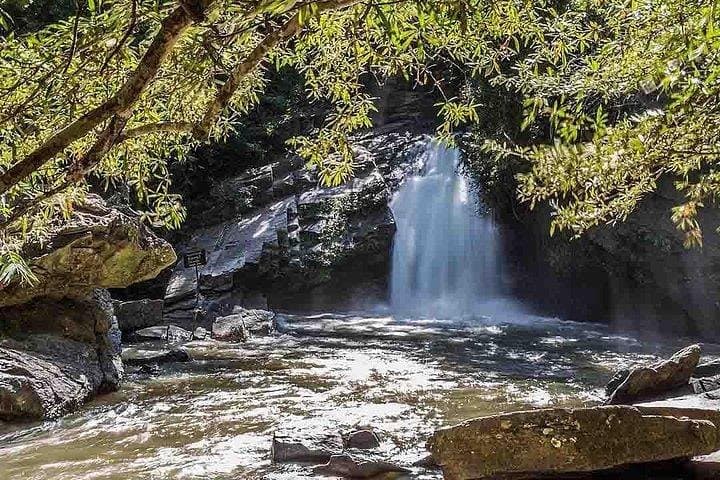
Morning light slices through teak and bamboo as a pickup truck threads a rutted road out of Chiang Mai and into the Mae Wang watershed. The river dares you forward — bamboo rafts bumping over shallow rapids, the current nudging boots and bright shirts as the valley narrows. By midday the group should be at a waterfall, steam and spray cooling the air; by evening they trade stories with Karen hosts under a sky dense with stars.
Verified experiences and guided adventures in the surrounding area.
Operated by Sun Leisure World Corporation · Mae Wang, Chiang Mai Province
Morning light slices through teak and bamboo as a pickup truck threads a rutted road out of Chiang Mai and into the Mae Wang watershed. The river dares you forward — bamboo rafts bumping over shallow rapids, the current nudging boots and bright shirts as the valley narrows. By midday the group should be at a waterfall, steam and spray cooling the air; by evening they trade stories with Karen hosts under a sky dense with stars.
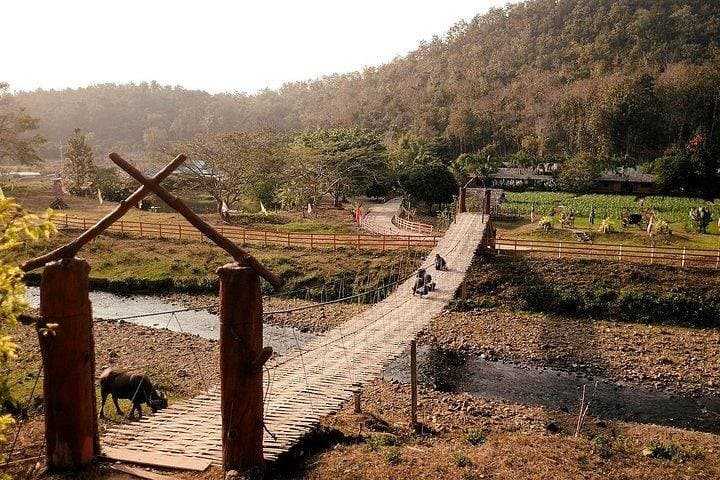
Mae Wang National Park sits on the western slopes of the Chiang Mai range, a mix of sandstone ridges, seasonal rivers and mixed deciduous forest shaped by monsoon patterns. The area has long been home to Karen hill‑tribe communities whose rice‑and‑forage economy blends with park conservation rules; traditional bamboo architecture and home‑cooked meals are part of the stay. Geologically, the park’s valleys were carved by seasonal streams that feed larger tributaries to the Ping River, so expect steep ascents where trailbeds follow old stream terraces.
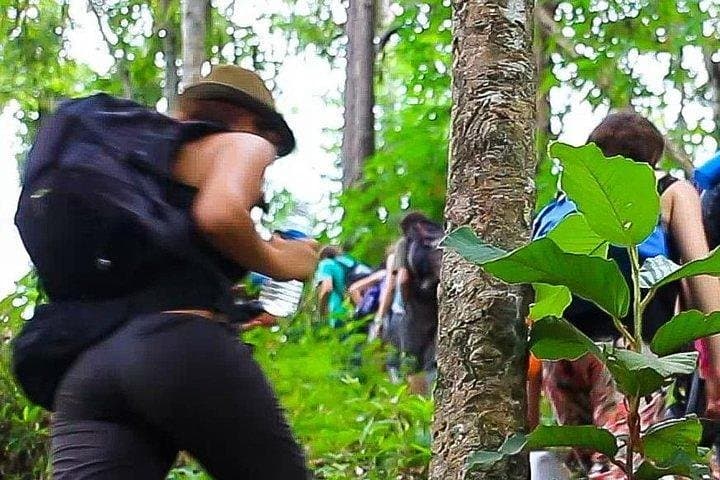
The trek is practical rather than technical: jungle tracks, uneven roots, slippery rock near cascades and short, sharp climbs between camps. Plan for wet shoes, mosquitos and strong sun after the canopy opens. Hydrate early, layer for damp mornings, and time swims for late afternoons when water is warmest. Guides carry local knowledge—follow their lead on water crossings, respect village customs, and keep food secured to avoid attracting wildlife. Return days wrap with a truck ride back to Chiang Mai, leaving hikers with damp clothes, new friends and a clear sense of the landscape’s rhythm.
moderate.
3 days.
Moderate — be comfortable hiking 2–5 hours across uneven, often wet terrain and short steep sections
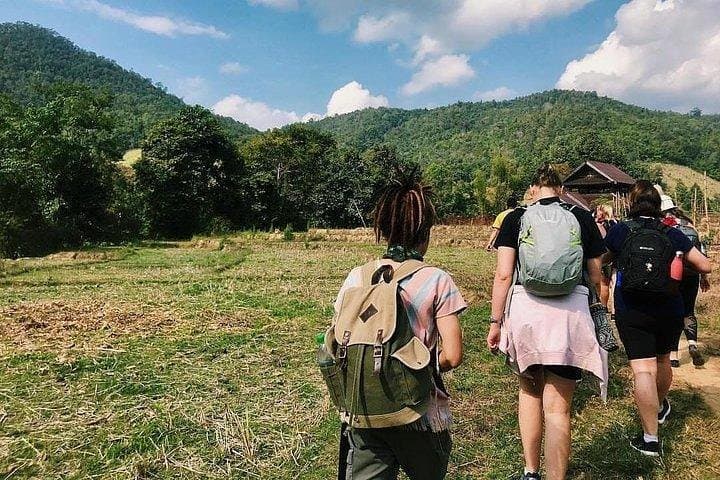
Expect 2–5 hour walking blocks with moderate elevation changes; trails are not technical but can be slippery and uneven, so moderate fitness is required.
Overnights alternate between a Karen village homestay and a basic bamboo hut near the waterfall; facilities are rustic with shared amenities.
Yes—swimming is part of the itinerary where conditions are safe; follow guide instructions about currents and entry points.
Yes—three lunches, two breakfasts, two dinners, round‑trip transfers from Chiang Mai and a licensed English‑speaking guide are included.
The Mae Wang area has long been inhabited by Karen hill‑tribes whose villages and bamboo architecture reflect subsistence farming and foraging practices integrated with the forest.
Mae Wang is managed for both biodiversity and community livelihoods—stay on trails, pack out waste and follow guides’ rules to minimize impact.
Sun Leisure World Corporation operates guided outdoor trips and adventures with an emphasis on safety, stewardship, and memorable experiences.
Morning light slices through teak and bamboo as a pickup truck threads a rutted road out of Chiang Mai and into the Mae Wang watershed. The river dares you forward — bamboo rafts bumping over shallow rapids, the current nudging boots and bright shirts as the valley narrows. By midday the group should be at a waterfall, steam and spray cooling the air; by evening they trade stories with Karen hosts under a sky dense with stars.
Morning light slices through teak and bamboo as a pickup truck threads a rutted road out of Chiang Mai and into the Mae Wang watershed. The river dares you forward — bamboo rafts bumping over shallow rapids, the current nudging boots and bright shirts as the valley narrows. By midday the group should be at a waterfall, steam and spray cooling the air; by evening they trade stories with Karen hosts under a sky dense with stars.
Mae Wang National Park sits on the western slopes of the Chiang Mai range, a mix of sandstone ridges, seasonal rivers and mixed deciduous forest shaped by monsoon patterns. The area has long been home to Karen hill‑tribe communities whose rice‑and‑forage economy blends with park conservation rules; traditional bamboo architecture and home‑cooked meals are part of the stay. Geologically, the park’s valleys were carved by seasonal streams that feed larger tributaries to the Ping River, so expect steep ascents where trailbeds follow old stream terraces.
The trek is practical rather than technical: jungle tracks, uneven roots, slippery rock near cascades and short, sharp climbs between camps. Plan for wet shoes, mosquitos and strong sun after the canopy opens. Hydrate early, layer for damp mornings, and time swims for late afternoons when water is warmest. Guides carry local knowledge—follow their lead on water crossings, respect village customs, and keep food secured to avoid attracting wildlife. Return days wrap with a truck ride back to Chiang Mai, leaving hikers with damp clothes, new friends and a clear sense of the landscape’s rhythm.