THE ADVENTURE COLLECTIVE® · Independent discovery and booking for outdoor travel

Three days of high-Andean history and sweeping valley views: a Cusco city tour, Sacred Valley exploration, and a guided morning at Machu Picchu. Expect steep stone steps, panoramic Vistadome train rides, and practical tips for altitude and timing.
Three days of high-Andean history and sweeping valley views: a Cusco city tour, Sacred Valley exploration, and a guided morning at Machu Picchu. Expect steep stone steps, panoramic Vistadome train rides, and practical tips for altitude and timing.
Dawn breaks over Cusco and the city exhales cold, thin air that reminds you you’re high in the Andes. You step into colonial streets with Inca stonework at your feet, then descend into the Sacred Valley where rivers dare you toward deeper green and terraces climb like stairways carved into mountains.
Verified experiences and guided adventures in the surrounding area.
Operated by CHULLPI EXPEDITIONS S.A.C. · Cusco, Cusco
Dawn breaks over Cusco and the city exhales cold, thin air that reminds you you’re high in the Andes. You step into colonial streets with Inca stonework at your feet, then descend into the Sacred Valley where rivers dare you toward deeper green and terraces climb like stairways carved into mountains.
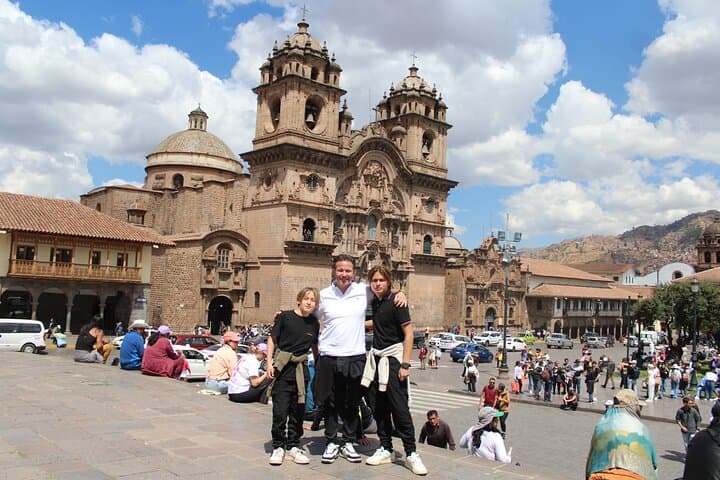
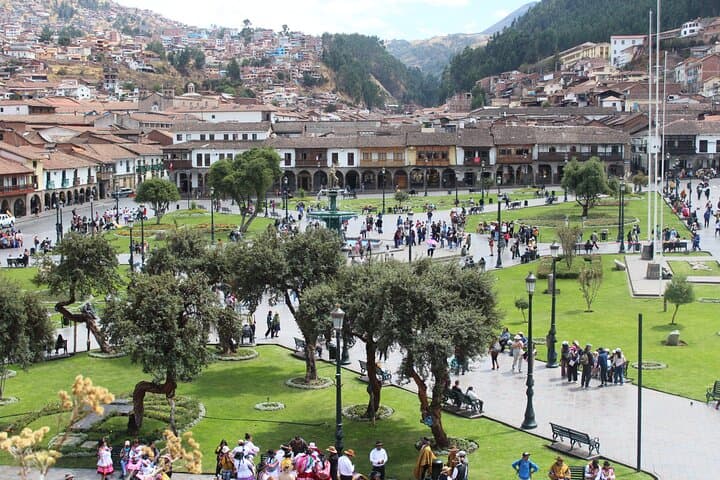
This three-day loop threads history, geology and living culture. Cusco, once the Inca capital at ~3,400 m, is a study in stone engineering—Qoricancha’s dressed masonry and Sacsayhuamán’s titanic walls reveal seismic-aware construction. The Sacred Valley drops toward Ollantaytambo (≈2,800 m) and Pisac’s high terraces, a landscape shaped by glacial carving and river incision that created narrow valleys and fertile microclimates. Train travel on the Vistadome offers panoramic views of the canyoned Urubamba River as it pushes toward the Amazon basin before you reach Aguas Calientes.
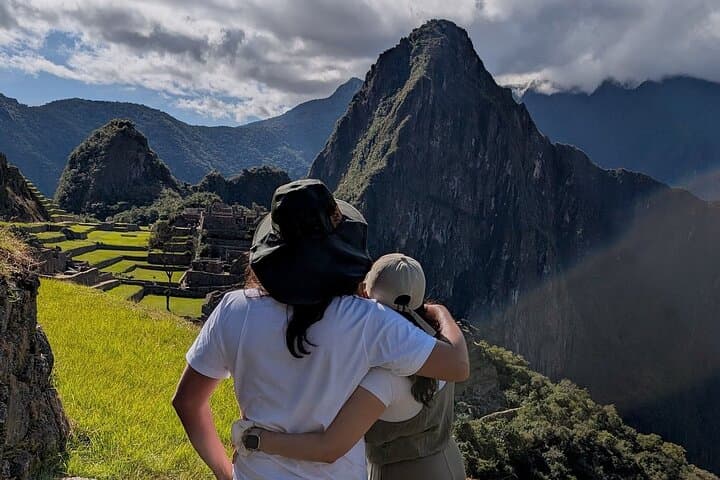
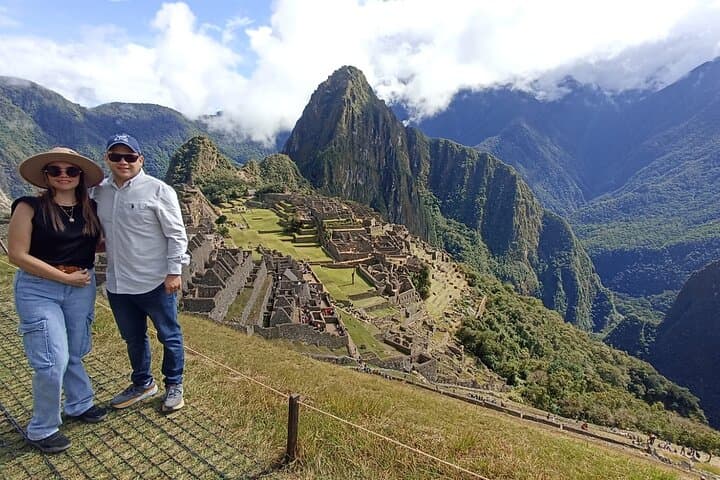
Machu Picchu sits at about 2,430 m: expect steep stone steps, uneven terraces and 2–4 km of walking on mixed surfaces during guided circuits. The itinerary balances guided cultural interpretation—Inca temples, agricultural terraces, and spiritual viewpoints—with practical logistics: hotel stays in Cusco and Aguas Calientes, Vistadome rail, and round-trip buses to the citadel.
Practical guidance: acclimatize in Cusco for at least 24 hours if possible; keep to steady paces on stairs and bring a reusable water bottle, sun protection and a light rain shell. Trains and Machu Picchu entry are timed—have tickets and ID ready. Early starts reward you with softer light and fewer crowds; move deliberately on the stonework and leave time for quiet observation and photography.
moderate.
3 days (≈72 hours).
Moderate fitness—comfortable walking on uneven stone, ability to manage short steep ascents and stairs at altitude.
Yes—Cusco sits around 3,400 m. Allow time to acclimatize, hydrate, eat light, and ascend gradually; consult a doctor if you have heart or lung conditions.
This itinerary includes round‑trip Vistadome train tickets and Machu Picchu entrance (subject to circuit availability) as listed in the inclusions.
The return bus is roughly 25–35 minutes each way on steep switchbacks from Aguas Calientes up to the citadel entrance.
The visit involves many stone steps and uneven surfaces but no technical climbing; sturdy footwear and careful pacing are sufficient.
Machu Picchu was built in the 15th century under the Inca Empire and rediscovered for the outside world in 1911; the Sacred Valley was a center for agriculture and pilgrimage tied to Inca elites.
Visitor numbers are regulated by timed entry circuits and shuttle limits to reduce wear on terraces; stick to paths, avoid single-use plastics and follow guide instructions to protect fragile stone and flora.
CHULLPI EXPEDITIONS S.A.C. operates guided outdoor trips and adventures with an emphasis on safety, stewardship, and memorable experiences.
Dawn breaks over Cusco and the city exhales cold, thin air that reminds you you’re high in the Andes. You step into colonial streets with Inca stonework at your feet, then descend into the Sacred Valley where rivers dare you toward deeper green and terraces climb like stairways carved into mountains.
Dawn breaks over Cusco and the city exhales cold, thin air that reminds you you’re high in the Andes. You step into colonial streets with Inca stonework at your feet, then descend into the Sacred Valley where rivers dare you toward deeper green and terraces climb like stairways carved into mountains.
This three-day loop threads history, geology and living culture. Cusco, once the Inca capital at ~3,400 m, is a study in stone engineering—Qoricancha’s dressed masonry and Sacsayhuamán’s titanic walls reveal seismic-aware construction. The Sacred Valley drops toward Ollantaytambo (≈2,800 m) and Pisac’s high terraces, a landscape shaped by glacial carving and river incision that created narrow valleys and fertile microclimates. Train travel on the Vistadome offers panoramic views of the canyoned Urubamba River as it pushes toward the Amazon basin before you reach Aguas Calientes.
Machu Picchu sits at about 2,430 m: expect steep stone steps, uneven terraces and 2–4 km of walking on mixed surfaces during guided circuits. The itinerary balances guided cultural interpretation—Inca temples, agricultural terraces, and spiritual viewpoints—with practical logistics: hotel stays in Cusco and Aguas Calientes, Vistadome rail, and round-trip buses to the citadel.
Practical guidance: acclimatize in Cusco for at least 24 hours if possible; keep to steady paces on stairs and bring a reusable water bottle, sun protection and a light rain shell. Trains and Machu Picchu entry are timed—have tickets and ID ready. Early starts reward you with softer light and fewer crowds; move deliberately on the stonework and leave time for quiet observation and photography.