THE ADVENTURE COLLECTIVE® · Independent discovery and booking for outdoor travel

Three days in the Maasai Mara deliver close-up game drives, tented-camp nights and the chance to witness the wildebeest migration and Big Five. This guide covers what to expect, practical planning tips, and local insights for a well-prepared safari.
Three days in the Maasai Mara deliver close-up game drives, tented-camp nights and the chance to witness the wildebeest migration and Big Five. This guide covers what to expect, practical planning tips, and local insights for a well-prepared safari.
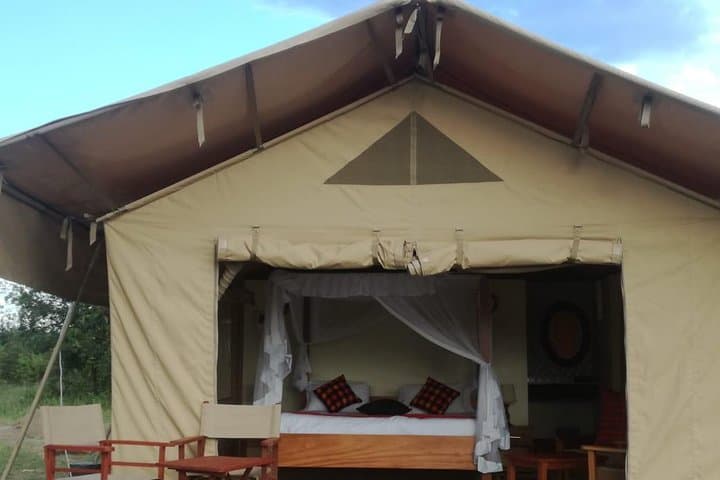
Dawn cuts across golden grassland as a Land Cruiser rolls onto an endless plain; acacia shadows lean into the low light and a distant rumble hints at a herd on the move. Over three days in the Maasai Mara you live close to that movement—game drives from a tented camp, Rift Valley panoramas between stops, and evenings under a star-bent sky.
Verified experiences and guided adventures in the surrounding area.
Operated by Africa Tours · Maasai Mara National Reserve, Narok County
Dawn cuts across golden grassland as a Land Cruiser rolls onto an endless plain; acacia shadows lean into the low light and a distant rumble hints at a herd on the move. Over three days in the Maasai Mara you live close to that movement—game drives from a tented camp, Rift Valley panoramas between stops, and evenings under a star-bent sky.
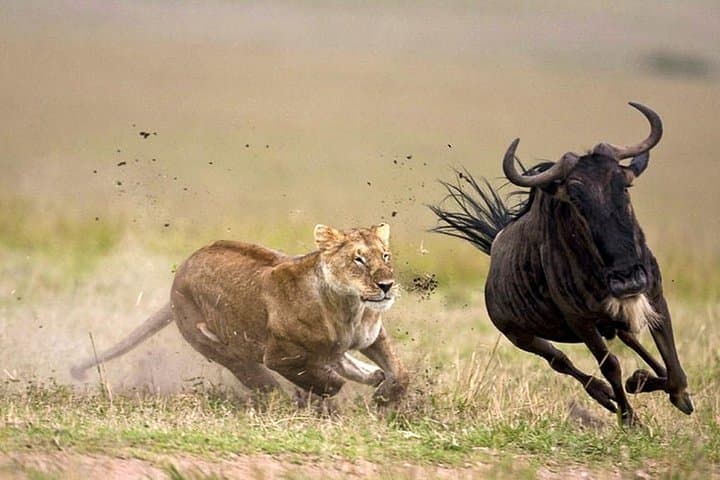
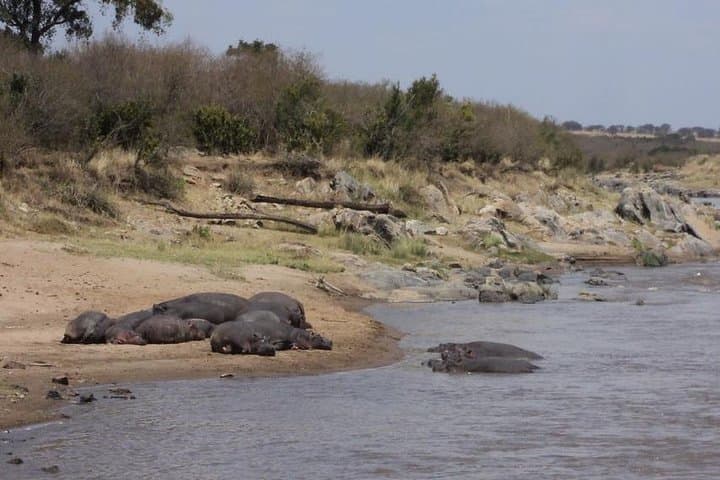
Geology here is simple and arresting: rolling savanna atop ancient volcanic highlands, drained toward the Mara and the adjacent Rift Valley escarpment. The reserve sits in Narok County, where Maasai pastoral culture remains visible in beaded jewelry, guarded homesteads and guided village visits. The Mara’s status as a wildlife stronghold owes to its seasonal grass growth and river systems that channel the wildebeest migration and concentrate predators.
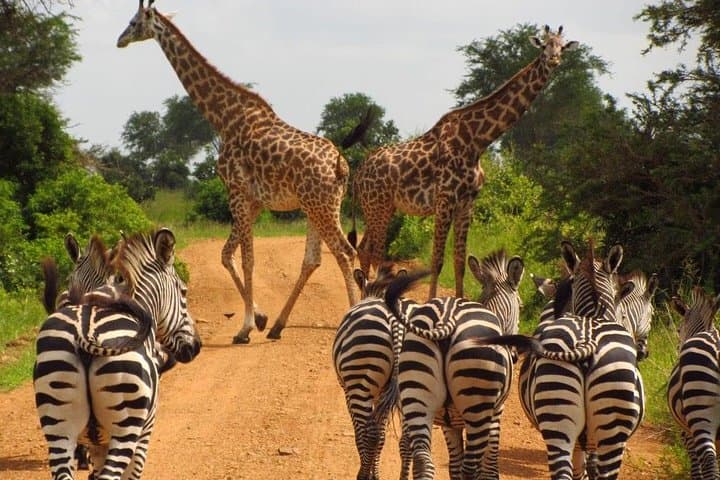
Expect long, purposeful game drives—early morning and late afternoon—searching for the Big Five, cheetah on open slopes, and the great river crossings during migration season. Guides read spoor and wind; patience and positioning deliver sightings.
Practical edge: road transfers from Nairobi take roughly 5–6 hours (longer with stops), so come prepared with layers for cool mornings and strong sun by mid-day. Bring binoculars and a telephoto lens, carry reusable water, and follow your guide’s instructions around wildlife. Balloon safaris and Maasai village visits are available at extra cost.
This safari balances raw wildlife theater with comfortable camping and local context—an efficient, immersive way to witness one of the world’s most compelling animal migrations while supporting community-based tourism.
moderate.
3 days (approx. 72 hours).
Moderate fitness; most time is spent seated on game drives but requires flexibility for getting in/out of safari vehicles and short walks.
The migration is seasonal and follows grazing patterns—July to October often sees river crossings, but sightings can’t be guaranteed; guides position the itinerary to maximize chances.
Yes—balloon safaris are offered at extra cost and typically must be booked in advance; availability depends on weather and operator schedules.
Road transfers to the Mara usually take 5–6 hours with a scenic stop at Rift Valley viewpoints; some travelers opt for light-air transfers (additional cost) to save time.
Many tented camps offer basic accessibility but terrain can be uneven; families and those with mobility concerns should confirm specific camp facilities before booking.
The Maasai people have inhabited these highlands for generations; protected grazing agreements and community conservancies helped maintain wildlife corridors that support the migration.
Visit operators and camps that support community conservancies and anti-poaching initiatives; stay on designated roads to reduce habitat disturbance.
Africa Tours operates guided outdoor trips and adventures with an emphasis on safety, stewardship, and memorable experiences.
Dawn cuts across golden grassland as a Land Cruiser rolls onto an endless plain; acacia shadows lean into the low light and a distant rumble hints at a herd on the move. Over three days in the Maasai Mara you live close to that movement—game drives from a tented camp, Rift Valley panoramas between stops, and evenings under a star-bent sky.
Dawn cuts across golden grassland as a Land Cruiser rolls onto an endless plain; acacia shadows lean into the low light and a distant rumble hints at a herd on the move. Over three days in the Maasai Mara you live close to that movement—game drives from a tented camp, Rift Valley panoramas between stops, and evenings under a star-bent sky.
Geology here is simple and arresting: rolling savanna atop ancient volcanic highlands, drained toward the Mara and the adjacent Rift Valley escarpment. The reserve sits in Narok County, where Maasai pastoral culture remains visible in beaded jewelry, guarded homesteads and guided village visits. The Mara’s status as a wildlife stronghold owes to its seasonal grass growth and river systems that channel the wildebeest migration and concentrate predators.
Expect long, purposeful game drives—early morning and late afternoon—searching for the Big Five, cheetah on open slopes, and the great river crossings during migration season. Guides read spoor and wind; patience and positioning deliver sightings.
Practical edge: road transfers from Nairobi take roughly 5–6 hours (longer with stops), so come prepared with layers for cool mornings and strong sun by mid-day. Bring binoculars and a telephoto lens, carry reusable water, and follow your guide’s instructions around wildlife. Balloon safaris and Maasai village visits are available at extra cost.
This safari balances raw wildlife theater with comfortable camping and local context—an efficient, immersive way to witness one of the world’s most compelling animal migrations while supporting community-based tourism.