THE ADVENTURE COLLECTIVE® · Independent discovery and booking for outdoor travel

Three days in the Masai Mara deliver compact, high-opportunity wildlife viewing: morning and afternoon game drives, optional hot-air balloon flights, and a chance to see the Big Five and the wildebeest migration. Practical advice on timing, gear and etiquette helps you make the most of short but intense safari time.
Three days in the Masai Mara deliver compact, high-opportunity wildlife viewing: morning and afternoon game drives, optional hot-air balloon flights, and a chance to see the Big Five and the wildebeest migration. Practical advice on timing, gear and etiquette helps you make the most of short but intense safari time.
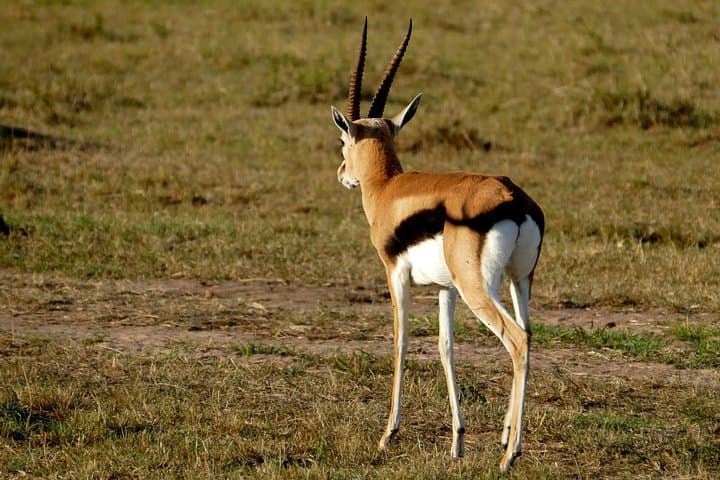
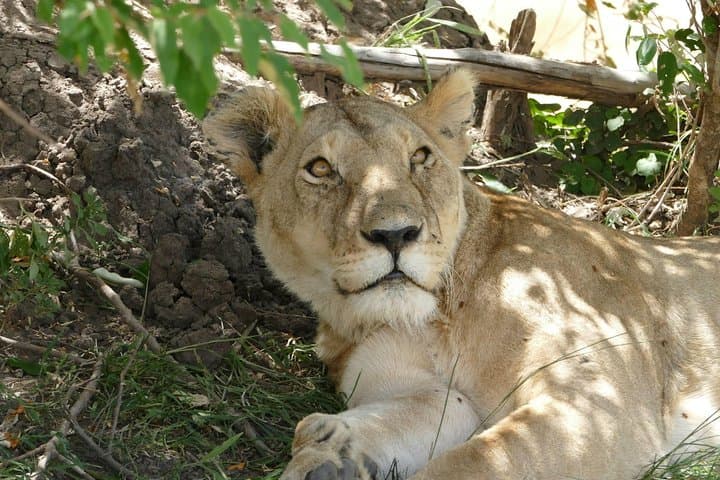
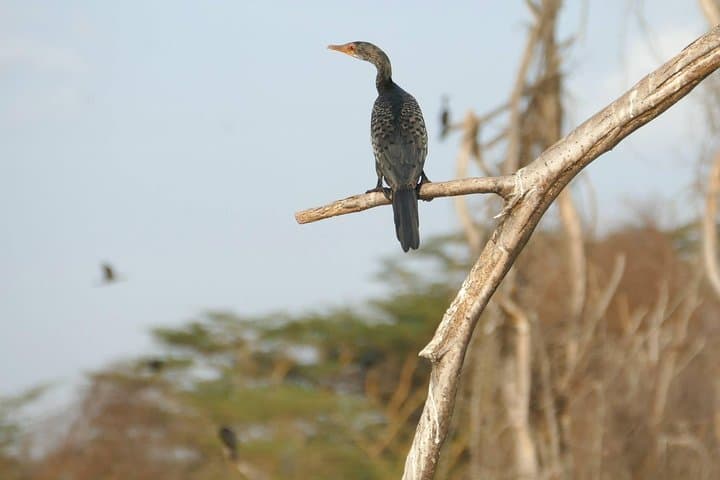
Early light in the Masai Mara slices across ochre grass and flat-topped acacia; dawn game drives begin with the low rumble of engines and the sudden lift of wings as a troop of vultures circles above. The Mara River dares the wildebeest to cross its slippery stones; on the plains, lions recline like weathered boulders, patient and precise.
Verified experiences and guided adventures in the surrounding area.
Operated by Direct Kenya Safaris Ltd · Narok, Narok County
Early light in the Masai Mara slices across ochre grass and flat-topped acacia; dawn game drives begin with the low rumble of engines and the sudden lift of wings as a troop of vultures circles above. The Mara River dares the wildebeest to cross its slippery stones; on the plains, lions recline like weathered boulders, patient and precise.
The reserve, carved from Narok County lands and sustained by Maasai custodianship, preserves broad savanna and the geological escarpments that funnel the migration. Cultural encounters with Maasai villages offer a direct look at pastoral life—shields, beadwork and storytelling—while colonial-era roads and modern conservation policy shape how wildlife and people coexist here.
Expect full-day game drives with morning and late-afternoon windows for the most active sightings; an optional hot-air balloon lift gives aerial perspective of herds, rivers and kopjes. Lodging ranges from mid-tier lodges to tented camps; transfers typically use a 4x4 minivan across dirt roads that can become corrugated after rains.
Practicalities: start early, pack layers for chilly mornings and baking midday sun, and carry water and a field binocular. Respect vehicle etiquette—stay inside the truck, keep voices low, and follow your guide’s instructions near predators. Park fees and fuel surcharges may be included; confirm balloon pricing separately.
This brief safari compresses iconic East African wildlife viewing into three focused days—designed for travelers who want high-density sightings, cultural contact, and the option to rise above the plains for a rare perspective on the great migration.
easy.
3 days.
Light physical fitness; ability to enter and exit safari vehicles and tolerate long days in a vehicle.
No, the balloon ride is typically optional and priced separately—confirm cost and availability when booking as it fills quickly.
Migration timing shifts annually; July–September is the most reliable window for river crossings in the Masai Mara, but sightings occur year-round in different areas.
There are no mandatory vaccines for entry, but travelers commonly get yellow fever proof (if arriving from a risk country) and consult a doctor about malaria prophylaxis and routine travel vaccinations.
Tipping is customary; expect to budget per-day tips for guides and lodge staff—ask your operator for current local guidelines and carry small bills in Kenyan shillings.
The Maasai people have grazed these plains for generations; the reserve's modern borders were set in the mid-20th century to protect migratory corridors and wildlife-rich habitat.
Tourism fees support anti-poaching patrols and community projects, but pressures from land conversion and drought require continued conservation investment and responsible visitation.
Direct Kenya Safaris Ltd operates guided outdoor trips and adventures with an emphasis on safety, stewardship, and memorable experiences.
Early light in the Masai Mara slices across ochre grass and flat-topped acacia; dawn game drives begin with the low rumble of engines and the sudden lift of wings as a troop of vultures circles above. The Mara River dares the wildebeest to cross its slippery stones; on the plains, lions recline like weathered boulders, patient and precise.
Early light in the Masai Mara slices across ochre grass and flat-topped acacia; dawn game drives begin with the low rumble of engines and the sudden lift of wings as a troop of vultures circles above. The Mara River dares the wildebeest to cross its slippery stones; on the plains, lions recline like weathered boulders, patient and precise.
The reserve, carved from Narok County lands and sustained by Maasai custodianship, preserves broad savanna and the geological escarpments that funnel the migration. Cultural encounters with Maasai villages offer a direct look at pastoral life—shields, beadwork and storytelling—while colonial-era roads and modern conservation policy shape how wildlife and people coexist here.
Expect full-day game drives with morning and late-afternoon windows for the most active sightings; an optional hot-air balloon lift gives aerial perspective of herds, rivers and kopjes. Lodging ranges from mid-tier lodges to tented camps; transfers typically use a 4x4 minivan across dirt roads that can become corrugated after rains.
Practicalities: start early, pack layers for chilly mornings and baking midday sun, and carry water and a field binocular. Respect vehicle etiquette—stay inside the truck, keep voices low, and follow your guide’s instructions near predators. Park fees and fuel surcharges may be included; confirm balloon pricing separately.
This brief safari compresses iconic East African wildlife viewing into three focused days—designed for travelers who want high-density sightings, cultural contact, and the option to rise above the plains for a rare perspective on the great migration.