THE ADVENTURE COLLECTIVE® · Independent discovery and booking for outdoor travel

Three days of open-jeep game drives through the Masai Mara focus on big cats, elephants, and seasonal river crossings. This shared safari balances morning and afternoon drives with a full-day loop—ideal for first-time wildlife viewers seeking concentrated sightings.
Three days of open-jeep game drives through the Masai Mara focus on big cats, elephants, and seasonal river crossings. This shared safari balances morning and afternoon drives with a full-day loop—ideal for first-time wildlife viewers seeking concentrated sightings.
Dust lifts off the track as the safari jeep climbs toward an escarpment; morning sun cuts across the Mara River and a herd of wildebeest silhouettes the far bank. Over three days the reserve lays out its strengths—high wildlife densities, dramatic river crossings, and a sky busy with raptors.
Verified experiences and guided adventures in the surrounding area.
Operated by Kashipa Adventures · Masai Mara, Narok County
Dust lifts off the track as the safari jeep climbs toward an escarpment; morning sun cuts across the Mara River and a herd of wildebeest silhouettes the far bank. Over three days the reserve lays out its strengths—high wildlife densities, dramatic river crossings, and a sky busy with raptors.
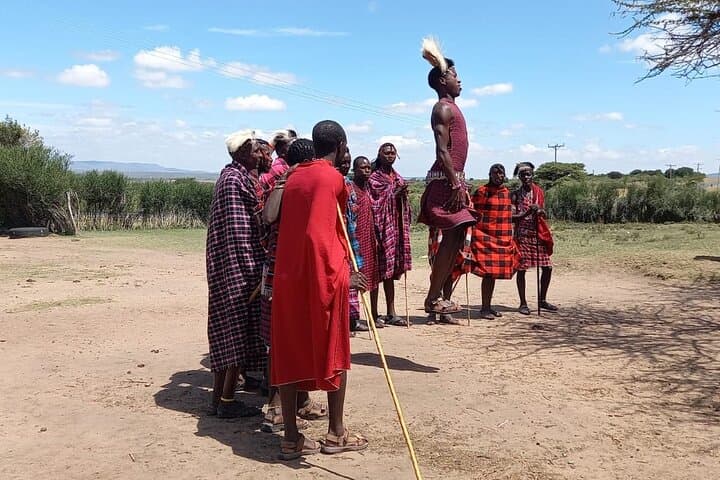
The Masai Mara sits on the floor of the Great Rift Valley, its rolling grasslands shaped by tectonic forces and seasonal rains. The reserve’s name honors the Maasai people who have grazed this landscape for generations; their culture and traditional knowledge still guide local conservation and tourism. Geologically, the Mara’s rivers carve deep gullies and create permanent pools that concentrate game—especially during the dry season when predators and prey gather around water.
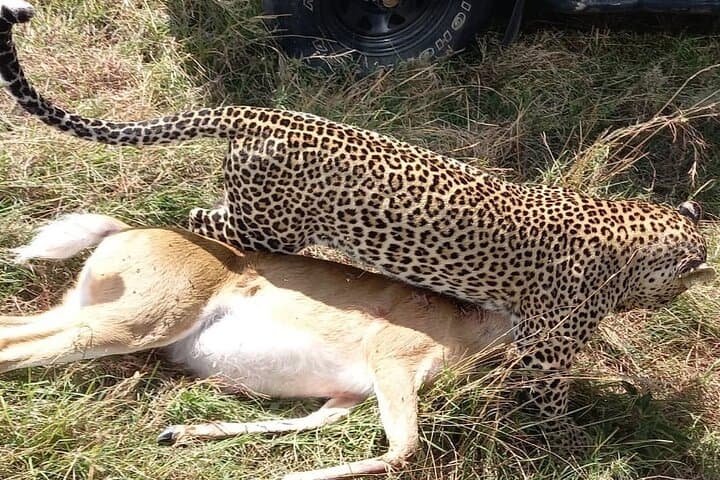
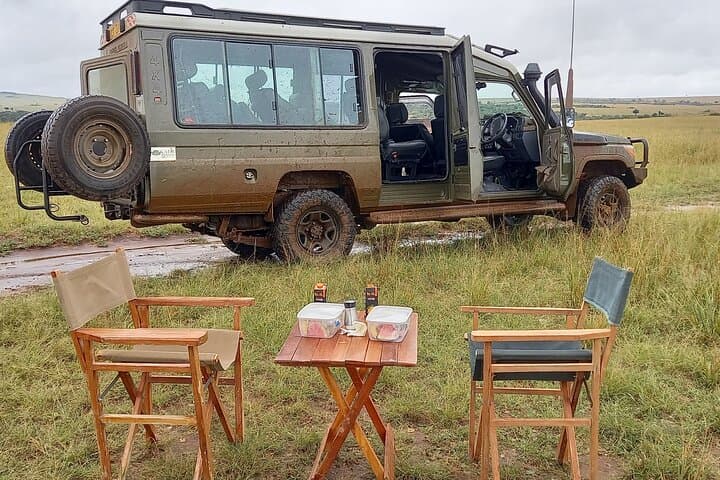
Expect structured mornings and afternoons in an open-sided safari jeep with an experienced guide—game drives, a day-long full-park loop with picnic lunch, and an en-route drive back to Nairobi on day three. Wildlife-centric itineraries aim for sightings of lions, leopards, elephants, and the large migratory herds that pass through seasonally; birding is excellent year-round.
Practical notes: bring layers for cool dawns and hot afternoons, pack binoculars and a camera with a telephoto lens, and carry refillable water and sun protection. Vehicles travel on unpaved roads; prepare for dust and bumpy stretches. Tipping guides, respecting local customs, and following your guide’s instructions keeps wildlife disturbances low and makes for a smoother safari.
easy.
3 days.
Light fitness required; able to sit for several hours and step in/out of safari vehicles multiple times per day
Complimentary pickup from Jomo Kenyatta International Airport is offered for mid-luxury bookings; confirm your flight details at booking.
The Mara typically hosts the migration from July to October for river crossings, though wildlife concentration is high year-round.
Infants must sit on laps; the tour notes wheelchair-accessible transport and surfaces, but check specific vehicle accessibility before booking.
Tipping is customary; common guidance is $10–20 per guest per day for guides and smaller amounts for camp staff, adjusted for service level.
The reserve—established in the 1960s—carries the name of the Maasai people and the Mara River; pastoralism and wildlife tourism have long coexisted here.
Tourism revenues support local community projects and anti-poaching efforts, but pressure on water and grazing resources requires balanced visitor practices—stay on designated tracks and avoid littering.
Kashipa Adventures operates guided outdoor trips and adventures with an emphasis on safety, stewardship, and memorable experiences.
Dust lifts off the track as the safari jeep climbs toward an escarpment; morning sun cuts across the Mara River and a herd of wildebeest silhouettes the far bank. Over three days the reserve lays out its strengths—high wildlife densities, dramatic river crossings, and a sky busy with raptors.
Dust lifts off the track as the safari jeep climbs toward an escarpment; morning sun cuts across the Mara River and a herd of wildebeest silhouettes the far bank. Over three days the reserve lays out its strengths—high wildlife densities, dramatic river crossings, and a sky busy with raptors.
The Masai Mara sits on the floor of the Great Rift Valley, its rolling grasslands shaped by tectonic forces and seasonal rains. The reserve’s name honors the Maasai people who have grazed this landscape for generations; their culture and traditional knowledge still guide local conservation and tourism. Geologically, the Mara’s rivers carve deep gullies and create permanent pools that concentrate game—especially during the dry season when predators and prey gather around water.
Expect structured mornings and afternoons in an open-sided safari jeep with an experienced guide—game drives, a day-long full-park loop with picnic lunch, and an en-route drive back to Nairobi on day three. Wildlife-centric itineraries aim for sightings of lions, leopards, elephants, and the large migratory herds that pass through seasonally; birding is excellent year-round.
Practical notes: bring layers for cool dawns and hot afternoons, pack binoculars and a camera with a telephoto lens, and carry refillable water and sun protection. Vehicles travel on unpaved roads; prepare for dust and bumpy stretches. Tipping guides, respecting local customs, and following your guide’s instructions keeps wildlife disturbances low and makes for a smoother safari.