THE ADVENTURE COLLECTIVE® · Independent discovery and booking for outdoor travel

Spend three days chasing wildlife across the Masai Mara’s open plains. This shared 2-night safari pairs morning and afternoon game drives with a full day in the reserve—prime for migration viewing and Big Five sightings.
Spend three days chasing wildlife across the Masai Mara’s open plains. This shared 2-night safari pairs morning and afternoon game drives with a full day in the reserve—prime for migration viewing and Big Five sightings.
Dawn in the Maasai Mara arrives on a low, wide horizon—acacia silhouettes sharpen as shafts of light push across tall grass. You’ll feel the land wake: hooves drum, birds call, and the Mara River dares her banks to hold the season’s crossings.
Verified experiences and guided adventures in the surrounding area.
Operated by Gracepatt Ecotours Kenya · Narok, Narok County
Dawn in the Maasai Mara arrives on a low, wide horizon—acacia silhouettes sharpen as shafts of light push across tall grass. You’ll feel the land wake: hooves drum, birds call, and the Mara River dares her banks to hold the season’s crossings.
The Mara sits on the western edge of the Great Rift Valley, its open plains carved by geology and grazed by generations of wildlife and the Maasai people. The reserve’s history is tied to pastoral Maasai land use and to conservation choices of the mid-20th century; today conservancies and lodges work alongside communities to protect migration corridors.
This three-day group itinerary begins with a 5–6 hour drive from Nairobi with a photo stop at the Rift Valley viewpoint, followed by afternoon and sunrise game drives. Expect long drives in 4x4 safari vehicles, guided interpretation of spoor and behavior, and prime viewing along the Mara River where July–October brings dramatic wildebeest crossings. Accommodations range from tented camps to lodges; hot-air balloon operators also lift off at dawn for aerial views.
Practical guide: pack sun protection, binoculars and a camera with a good zoom; mornings and evenings are cool so layer. Vehicles are dusty—bring a scarf or buff—and malaria precautions are advised. Respect vehicle rules and keep distance from wildlife; your guide will advise when to exit the vehicle. Plan for early wake-ups (pre-sunrise drives), tipping guides and staff, and limited connectivity. For photographers and wildlife lovers, this short safari concentrates sightings into two intensive days on the savannah.
easy.
3 days.
Suitable for travelers in basic fitness—lots of driving, short walks on uneven ground; be prepared for early starts.
The dramatic Mara River crossings most often occur July through October; however, migration timing varies by year and follows rainfall.
Yes—travelers should consult a healthcare provider about antimalarial medications and use insect repellent and nets where recommended.
This itinerary includes meals as listed (lunches, dinners, breakfasts) and park admission is included as part of the tour package details—confirm inclusions at booking.
Children can join; infants may need to sit on a lap during transport. Check the operator’s age policies and accommodations when booking.
The Maasai Mara was established to protect wildlife and grazing lands and is named after the Maasai people and the Mara River; it became internationally recognized in the 20th century as a premier safari landscape.
Conservancies and community-based tourism help fund corridor protection and anti-poaching, but pressure from development and livestock grazing means responsible tourism matters.
Gracepatt Ecotours Kenya operates guided outdoor trips and adventures with an emphasis on safety, stewardship, and memorable experiences.


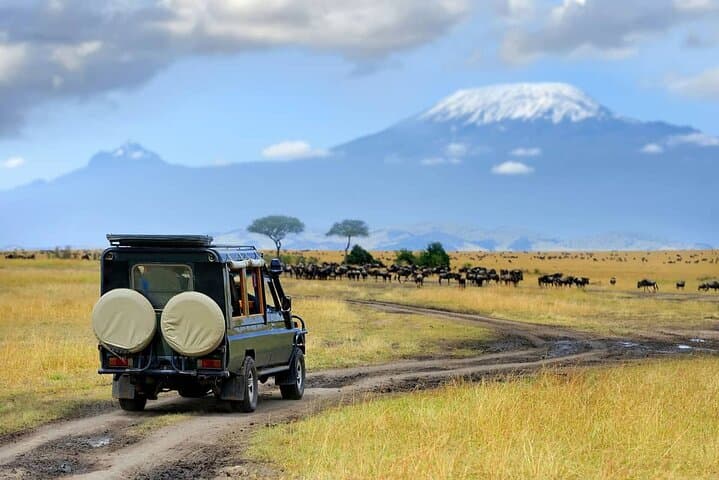

Dawn in the Maasai Mara arrives on a low, wide horizon—acacia silhouettes sharpen as shafts of light push across tall grass. You’ll feel the land wake: hooves drum, birds call, and the Mara River dares her banks to hold the season’s crossings.
Dawn in the Maasai Mara arrives on a low, wide horizon—acacia silhouettes sharpen as shafts of light push across tall grass. You’ll feel the land wake: hooves drum, birds call, and the Mara River dares her banks to hold the season’s crossings.
The Mara sits on the western edge of the Great Rift Valley, its open plains carved by geology and grazed by generations of wildlife and the Maasai people. The reserve’s history is tied to pastoral Maasai land use and to conservation choices of the mid-20th century; today conservancies and lodges work alongside communities to protect migration corridors.
This three-day group itinerary begins with a 5–6 hour drive from Nairobi with a photo stop at the Rift Valley viewpoint, followed by afternoon and sunrise game drives. Expect long drives in 4x4 safari vehicles, guided interpretation of spoor and behavior, and prime viewing along the Mara River where July–October brings dramatic wildebeest crossings. Accommodations range from tented camps to lodges; hot-air balloon operators also lift off at dawn for aerial views.
Practical guide: pack sun protection, binoculars and a camera with a good zoom; mornings and evenings are cool so layer. Vehicles are dusty—bring a scarf or buff—and malaria precautions are advised. Respect vehicle rules and keep distance from wildlife; your guide will advise when to exit the vehicle. Plan for early wake-ups (pre-sunrise drives), tipping guides and staff, and limited connectivity. For photographers and wildlife lovers, this short safari concentrates sightings into two intensive days on the savannah.