THE ADVENTURE COLLECTIVE® · Independent discovery and booking for outdoor travel

Three days in the Maasai Mara means sunrise game drives, Mara River crossings, and the chance to see resident black rhino and the Great Migration. This private tour includes transfers from Nairobi, full board, and guided 4x4 game drives.
Three days in the Maasai Mara means sunrise game drives, Mara River crossings, and the chance to see resident black rhino and the Great Migration. This private tour includes transfers from Nairobi, full board, and guided 4x4 game drives.
The sun rises over endless golden grass and the silhouette of acacia trees sharp against the horizon — this is the Maasai Mara. On a three-day private safari, travelers move from the Rift Valley escarpment down into wide savannahs where wildebeest and zebra push toward the Mara River and predators wait.
Verified experiences and guided adventures in the surrounding area.
Operated by Michoore Tours & Travel · Narok, Narok County
The sun rises over endless golden grass and the silhouette of acacia trees sharp against the horizon — this is the Maasai Mara. On a three-day private safari, travelers move from the Rift Valley escarpment down into wide savannahs where wildebeest and zebra push toward the Mara River and predators wait.
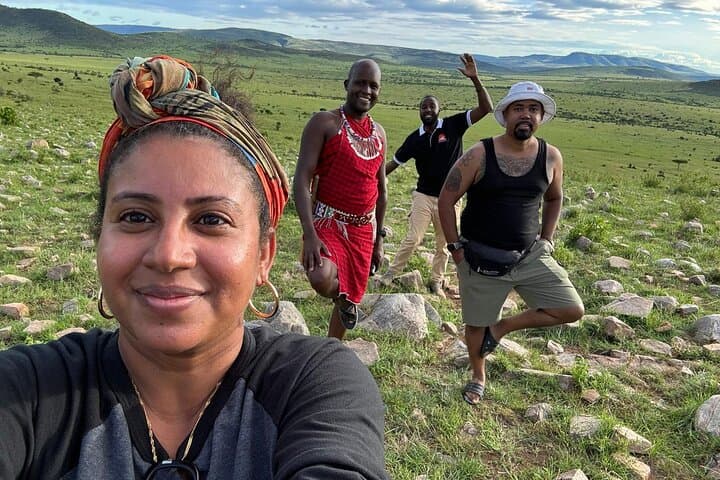
Geology here is simple and honest: rolling plains cut by seasonal rivers (the Mara and Talek) and framed by the escarpment of the Great Rift Valley. Culturally the area is defined by Maasai communities whose traditional presence and pastoral practices shape access and conservancy arrangements; guides often arrange short village visits that explain daily life and local conservation work.
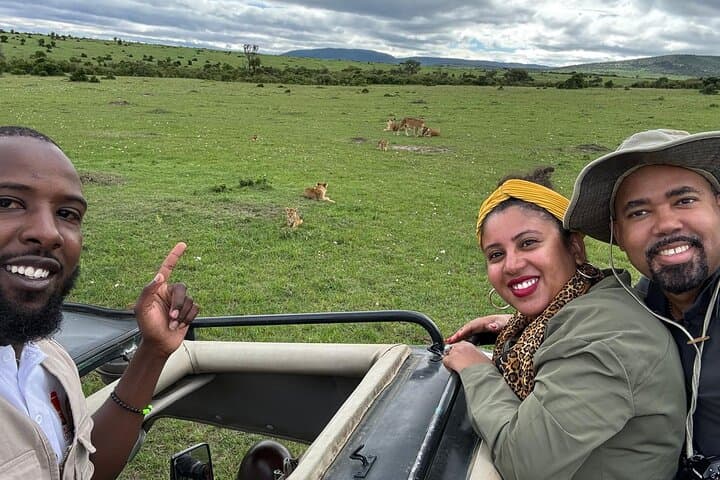
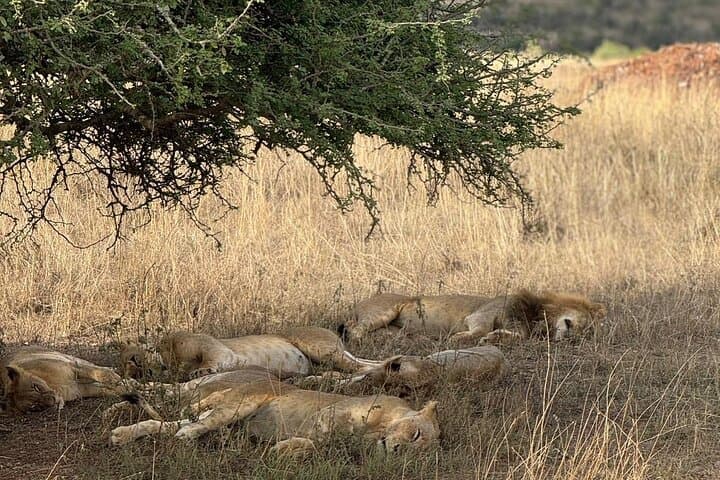
Expect full-board accommodation and game drives in a 4x4 Land Cruiser, early-morning and late-afternoon windows when wildlife is most active. The reserve supports resident black rhino, large hippo and crocodile populations in river habitats, and one of Africa’s highest predator densities — sightings of lion, leopard and spotted hyena are common.
Practicalities: transfers from Nairobi take roughly 5–6 hours by road; a private guide manages park entry and route planning; park terrain is mostly flat grassland but can be muddy in rains. Best time for dramatic river crossings is July–October during the Great Migration; calving season and newborn ungulates are most visible January–March. Bring binoculars, layered sun protection, malaria precautions, and a charged camera battery — contact times are early and late to match wildlife movement. Respect Maasai guidelines and park rules: stay in vehicle, keep noise low, and leave no trace.
easy.
3 days.
Suitable for most fitness levels — requires ability to enter/exit a safari vehicle and tolerate long game-drive days
Yes — the tour includes national park entrance fees as part of the package.
Expect roughly 5–6 hours by road depending on traffic and stops at Rift Valley viewpoints.
Yes — the tour is family-friendly, but infants are required to sit on an adult’s lap and all children must follow guide safety instructions.
Malaria prophylaxis is recommended; consult your healthcare provider and bring repellent and bite protection.
The Maasai Mara’s name reflects the Maasai people and the Maasai word for spotted — it became a protected area in the mid-20th century and later part of collaborative conservancies.
Many conservancies around the Mara use tourism revenue to fund anti-poaching and community projects; visitors can support by choosing operators that work with local Maasai landowners.
Michoore Tours & Travel operates guided outdoor trips and adventures with an emphasis on safety, stewardship, and memorable experiences.
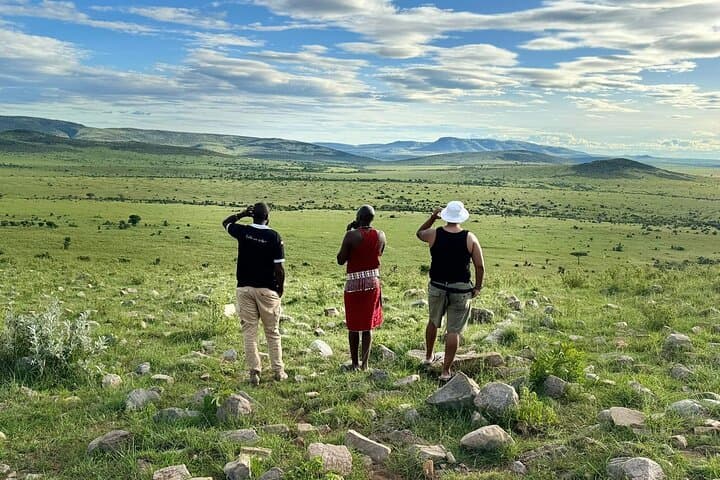
The sun rises over endless golden grass and the silhouette of acacia trees sharp against the horizon — this is the Maasai Mara. On a three-day private safari, travelers move from the Rift Valley escarpment down into wide savannahs where wildebeest and zebra push toward the Mara River and predators wait.
The sun rises over endless golden grass and the silhouette of acacia trees sharp against the horizon — this is the Maasai Mara. On a three-day private safari, travelers move from the Rift Valley escarpment down into wide savannahs where wildebeest and zebra push toward the Mara River and predators wait.
Geology here is simple and honest: rolling plains cut by seasonal rivers (the Mara and Talek) and framed by the escarpment of the Great Rift Valley. Culturally the area is defined by Maasai communities whose traditional presence and pastoral practices shape access and conservancy arrangements; guides often arrange short village visits that explain daily life and local conservation work.
Expect full-board accommodation and game drives in a 4x4 Land Cruiser, early-morning and late-afternoon windows when wildlife is most active. The reserve supports resident black rhino, large hippo and crocodile populations in river habitats, and one of Africa’s highest predator densities — sightings of lion, leopard and spotted hyena are common.
Practicalities: transfers from Nairobi take roughly 5–6 hours by road; a private guide manages park entry and route planning; park terrain is mostly flat grassland but can be muddy in rains. Best time for dramatic river crossings is July–October during the Great Migration; calving season and newborn ungulates are most visible January–March. Bring binoculars, layered sun protection, malaria precautions, and a charged camera battery — contact times are early and late to match wildlife movement. Respect Maasai guidelines and park rules: stay in vehicle, keep noise low, and leave no trace.