THE ADVENTURE COLLECTIVE® · Independent discovery and booking for outdoor travel

Three days in the Maasai Mara mean focused game drives, camp nights under open skies and an optional sunrise balloon flight. This compact safari pairs high-probability wildlife viewing with straightforward logistics from Nairobi.
Three days in the Maasai Mara mean focused game drives, camp nights under open skies and an optional sunrise balloon flight. This compact safari pairs high-probability wildlife viewing with straightforward logistics from Nairobi.
The sun slices across an acacia-studded skyline as your vehicle edges onto Mara grassland — early light backlights a line of grazing zebra and stirs the dust into long, golden ribbons. Over three days you move between wide plains and low, folded hills, eyes trained for the sudden flash of a cat or the slow deliberation of a bull elephant.
Verified experiences and guided adventures in the surrounding area.
Operated by Silver Spark Africa Safaris · Narok, Narok County
The sun slices across an acacia-studded skyline as your vehicle edges onto Mara grassland — early light backlights a line of grazing zebra and stirs the dust into long, golden ribbons. Over three days you move between wide plains and low, folded hills, eyes trained for the sudden flash of a cat or the slow deliberation of a bull elephant.
The Maasai Mara sits on the western rim of the East African Rift, its rolling savanna formed by volcanic soils and millennia of river-fed erosion. Maasai culture threads the landscape: you’ll see men in red shukas and hear stories of grazing corridors and seasonal grazing rights that shape how people and wildlife coexist. The reserve’s geology and rainfall patterns concentrate prey in predictable places — which makes game drives reliably productive.
Expect early-morning and late-afternoon drives when animals are most active, with an optional dawn hot-air balloon for a panoramic take. Accommodations are traditional safari camps—basic to comfortable tents or lodges—close enough to return before dark. Drives cover variable terrain: compacted tracks, sandy cuts and short grassland bush; elevation is roughly 1,400–1,700 m, and daytime temperatures range widely between dawn chill and midday warmth.
Practical notes: pack layers for cold mornings, carry 2–3 liters of water per day, and use neutral clothing to avoid spooking wildlife. Respect park rules on windows and noise; follow your ranger’s guidance. With sensible preparation, this three-day loop delivers concentrated wildlife viewing, cultural contact, and the chance — if you opt in — of floating over a landscape that pushes you to look longer and listen closer.
moderate.
3 days.
Suitable for most fitness levels — involves long vehicle days, brief walks near camps; be ready for early mornings and rough tracks.
Travelers to Kenya generally require a visa and should check recommended vaccinations (e.g., yellow fever proof for some entrants); consult your government health advisories well before travel.
No — the balloon is listed as an optional extra and must be booked/paid for separately; it typically starts before dawn and includes a post-flight breakfast.
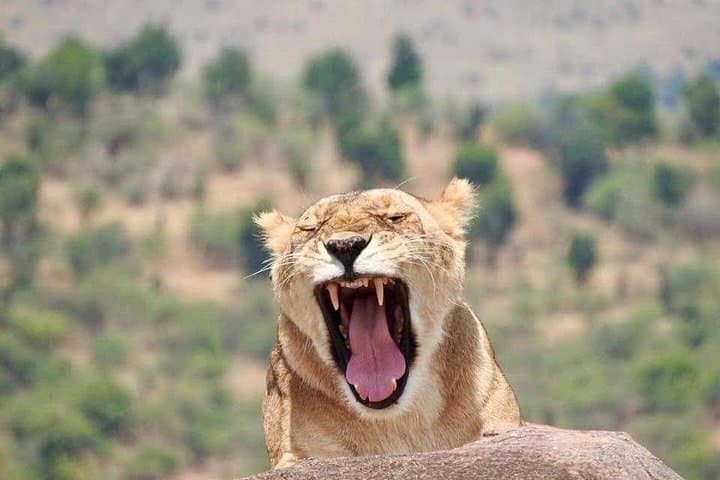
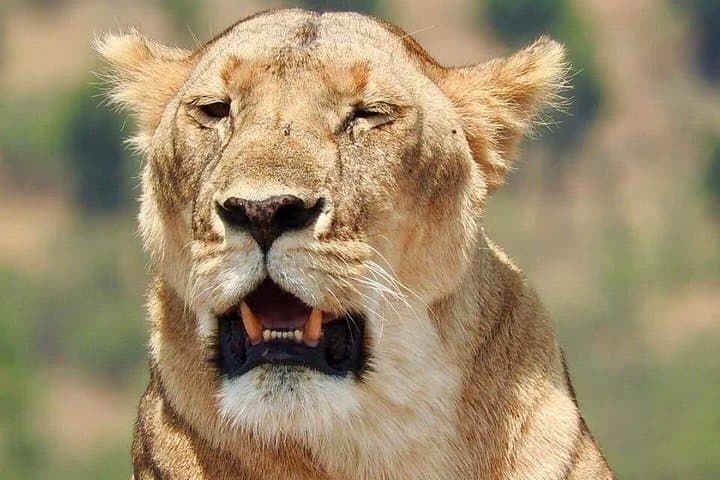
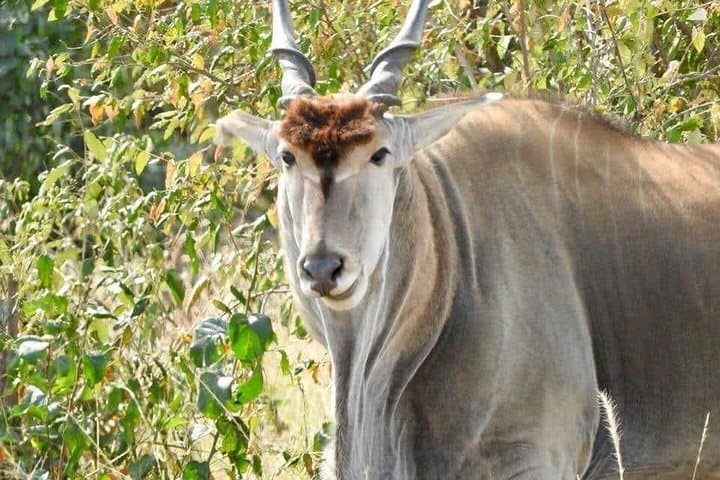
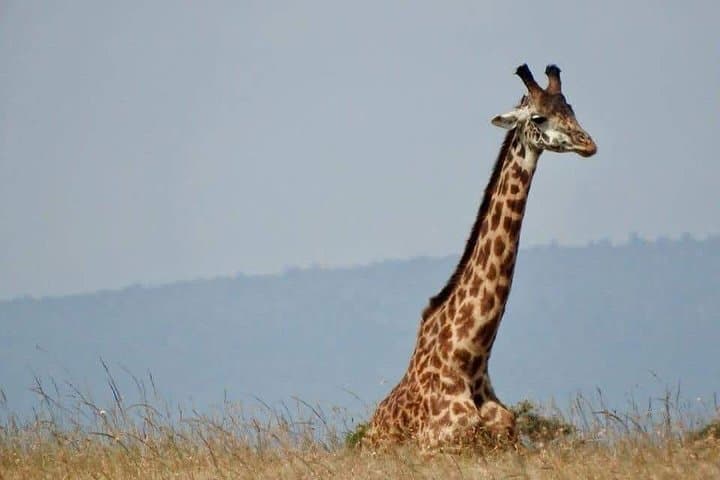
Expect lions, elephants, zebras, giraffes, buffalo, spotted hyenas, and numerous antelopes; presence of big cats is common, especially during morning and late-afternoon drives.
Road transfers are typically 4–6 hours depending on route and traffic; many itineraries include pickup in Nairobi with a full-day transit to the reserve.
The Maasai have grazed this landscape for centuries, and the reserve boundaries reflect negotiated land use that dates to early 20th-century colonial conservation policy.
Tourism funds many local conservancies and anti-poaching patrols; stay on designated roads and support operators who contribute to community-led conservation.
Silver Spark Africa Safaris operates guided outdoor trips and adventures with an emphasis on safety, stewardship, and memorable experiences.
The sun slices across an acacia-studded skyline as your vehicle edges onto Mara grassland — early light backlights a line of grazing zebra and stirs the dust into long, golden ribbons. Over three days you move between wide plains and low, folded hills, eyes trained for the sudden flash of a cat or the slow deliberation of a bull elephant.
The sun slices across an acacia-studded skyline as your vehicle edges onto Mara grassland — early light backlights a line of grazing zebra and stirs the dust into long, golden ribbons. Over three days you move between wide plains and low, folded hills, eyes trained for the sudden flash of a cat or the slow deliberation of a bull elephant.
The Maasai Mara sits on the western rim of the East African Rift, its rolling savanna formed by volcanic soils and millennia of river-fed erosion. Maasai culture threads the landscape: you’ll see men in red shukas and hear stories of grazing corridors and seasonal grazing rights that shape how people and wildlife coexist. The reserve’s geology and rainfall patterns concentrate prey in predictable places — which makes game drives reliably productive.
Expect early-morning and late-afternoon drives when animals are most active, with an optional dawn hot-air balloon for a panoramic take. Accommodations are traditional safari camps—basic to comfortable tents or lodges—close enough to return before dark. Drives cover variable terrain: compacted tracks, sandy cuts and short grassland bush; elevation is roughly 1,400–1,700 m, and daytime temperatures range widely between dawn chill and midday warmth.
Practical notes: pack layers for cold mornings, carry 2–3 liters of water per day, and use neutral clothing to avoid spooking wildlife. Respect park rules on windows and noise; follow your ranger’s guidance. With sensible preparation, this three-day loop delivers concentrated wildlife viewing, cultural contact, and the chance — if you opt in — of floating over a landscape that pushes you to look longer and listen closer.