THE ADVENTURE COLLECTIVE® · Independent discovery and booking for outdoor travel

A private 3-day safari from Nairobi into Maasai Mara offers near-guaranteed Big Five sightings and prime migration viewing in season. Expect long drives, open-roof game drives, village visits, and full inclusion of park fees and accommodation.
A private 3-day safari from Nairobi into Maasai Mara offers near-guaranteed Big Five sightings and prime migration viewing in season. Expect long drives, open-roof game drives, village visits, and full inclusion of park fees and accommodation.
Dawn spills gold across the short grass of Maasai Mara as the open-roof 4x4 threads toward a distant line of acacia silhouettes. You feel the land move beneath you: dusty tracks, a river that dares you to get closer, and the low, patient gaze of grazing herds. Morning and late afternoon drives frame the best sightings; midday is for picnics by the Mara River and the heat-softened lull of the plains.
Verified experiences and guided adventures in the surrounding area.
Operated by Africa Flash McTours and Travel · Narok, Narok County
Dawn spills gold across the short grass of Maasai Mara as the open-roof 4x4 threads toward a distant line of acacia silhouettes. You feel the land move beneath you: dusty tracks, a river that dares you to get closer, and the low, patient gaze of grazing herds. Morning and late afternoon drives frame the best sightings; midday is for picnics by the Mara River and the heat-softened lull of the plains.
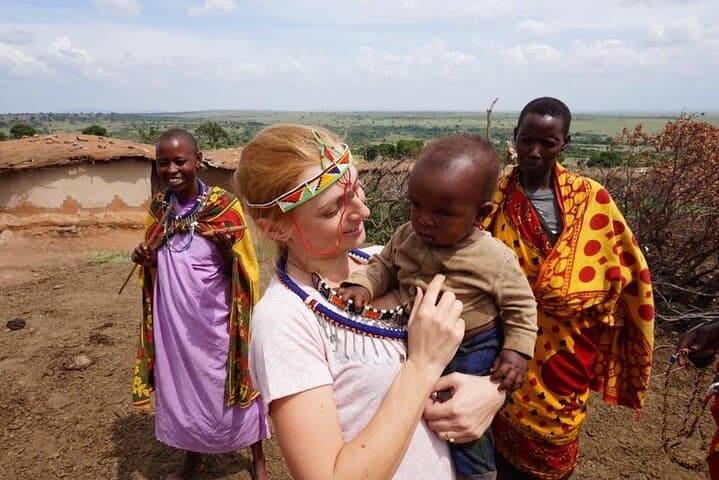
The Mara sits on the western edge of Kenya’s Rift Valley at roughly 1,500–2,000 meters elevation and is the northern terminus of the Great Wildebeest Migration. The reserve’s savanna geology—broad plains broken by riverine corridors and escarpments—creates predictable animal flows that make sightings reliable year-round. Maasai culture remains visible in nearby villages: expect guided cultural visits and locally made beadwork for sale.
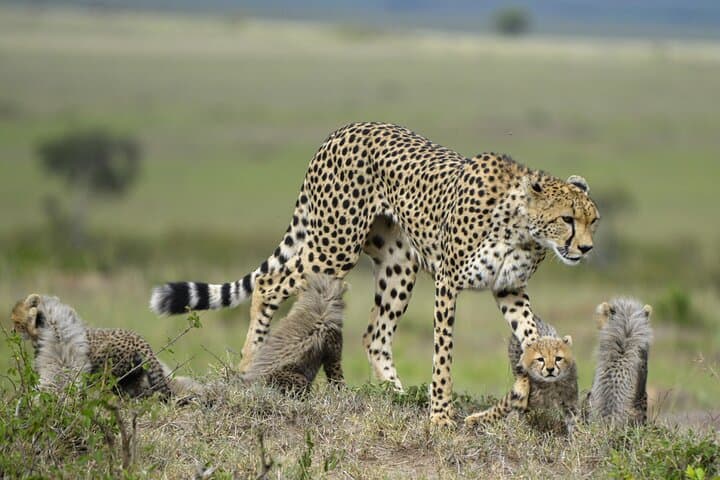
Practically, this private 3-day itinerary from Nairobi involves a 5–6 hour drive each way, open-roof game drives, and full-day searching for the Big Five and migratory crossings (July–October peaks). Accommodation, most meals, transfers, park fees and an English-speaking guide are included. Bring binoculars, camera, layered clothing for chilly mornings, and refillable water; vehicles can be bumpy and game viewing often requires patience and early starts. Optional Maasai village visits typically require a modest local fee.
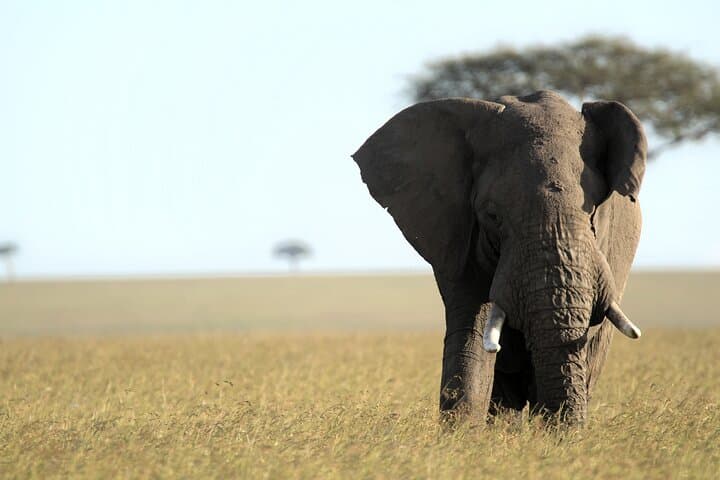
Plan for long days on dirt roads, variable weather, and unforgettable close encounters. With realistic expectations and basic preparations you’ll trade speculation for sightings—lions lounging, elephants moving like deliberate storm fronts, and the Mara itself always watching.
moderate.
3 days.
Moderate fitness: able to tolerate long vehicle transfers, short walks, and early wake-ups.
Plan for roughly 5–6 hours each way by road, with a photo stop at the Great Rift Valley en route.
Yes—this private package includes park entrance fees, accommodations for two nights, most meals, and guided game drives.
Migration viewing is typically best July–October when herds move north from the Serengeti into the Mara; river crossings concentrate sightings.
Yes—optional village visits are available, usually with a small additional local fee (often around USD 20) for the community.
The Mara is named after the Maasai people who have grazed these plains for generations; the reserve protects important migratory routes tied to seasonal rainfall patterns.
Conservancies and community-run projects buffer the reserve and support anti-poaching; visitors sustain local livelihoods when buying directly from Maasai artisans.
Africa Flash McTours and Travel operates guided outdoor trips and adventures with an emphasis on safety, stewardship, and memorable experiences.
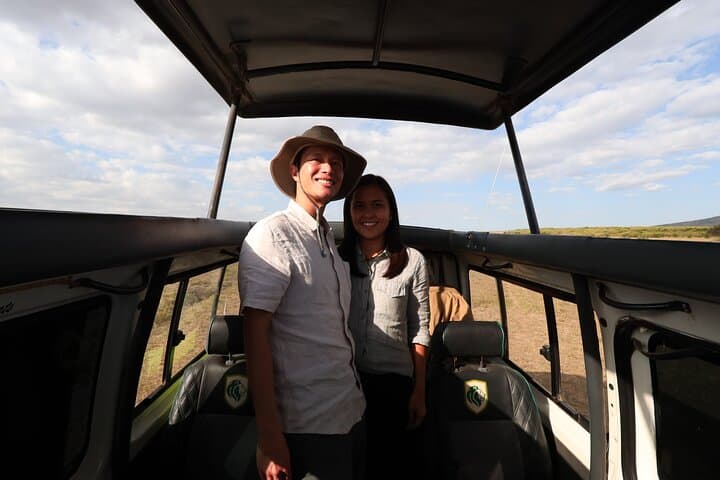
Dawn spills gold across the short grass of Maasai Mara as the open-roof 4x4 threads toward a distant line of acacia silhouettes. You feel the land move beneath you: dusty tracks, a river that dares you to get closer, and the low, patient gaze of grazing herds. Morning and late afternoon drives frame the best sightings; midday is for picnics by the Mara River and the heat-softened lull of the plains.
Dawn spills gold across the short grass of Maasai Mara as the open-roof 4x4 threads toward a distant line of acacia silhouettes. You feel the land move beneath you: dusty tracks, a river that dares you to get closer, and the low, patient gaze of grazing herds. Morning and late afternoon drives frame the best sightings; midday is for picnics by the Mara River and the heat-softened lull of the plains.
The Mara sits on the western edge of Kenya’s Rift Valley at roughly 1,500–2,000 meters elevation and is the northern terminus of the Great Wildebeest Migration. The reserve’s savanna geology—broad plains broken by riverine corridors and escarpments—creates predictable animal flows that make sightings reliable year-round. Maasai culture remains visible in nearby villages: expect guided cultural visits and locally made beadwork for sale.
Practically, this private 3-day itinerary from Nairobi involves a 5–6 hour drive each way, open-roof game drives, and full-day searching for the Big Five and migratory crossings (July–October peaks). Accommodation, most meals, transfers, park fees and an English-speaking guide are included. Bring binoculars, camera, layered clothing for chilly mornings, and refillable water; vehicles can be bumpy and game viewing often requires patience and early starts. Optional Maasai village visits typically require a modest local fee.
Plan for long days on dirt roads, variable weather, and unforgettable close encounters. With realistic expectations and basic preparations you’ll trade speculation for sightings—lions lounging, elephants moving like deliberate storm fronts, and the Mara itself always watching.