THE ADVENTURE COLLECTIVE® · Independent discovery and booking for outdoor travel

A compact three-day safari that puts you into the heart of Maasai Mara wildlife. Expect dawn and dusk game drives, tented-camp nights, and strong odds of seeing Big Five species and—season permitting—the great wildebeest river crossings.
A compact three-day safari that puts you into the heart of Maasai Mara wildlife. Expect dawn and dusk game drives, tented-camp nights, and strong odds of seeing Big Five species and—season permitting—the great wildebeest river crossings.
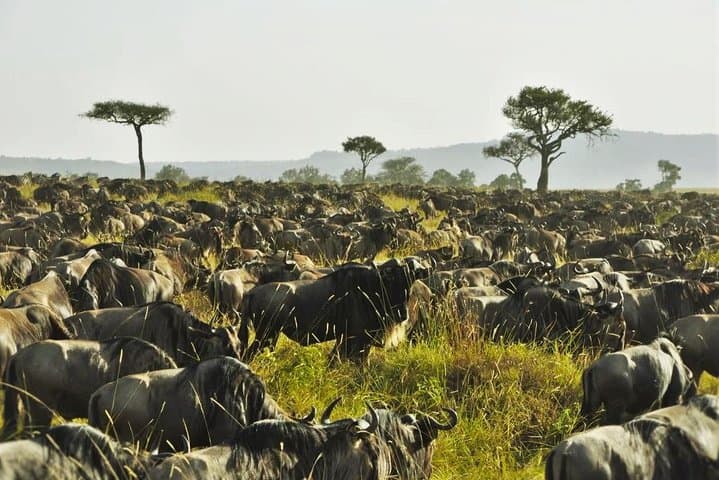
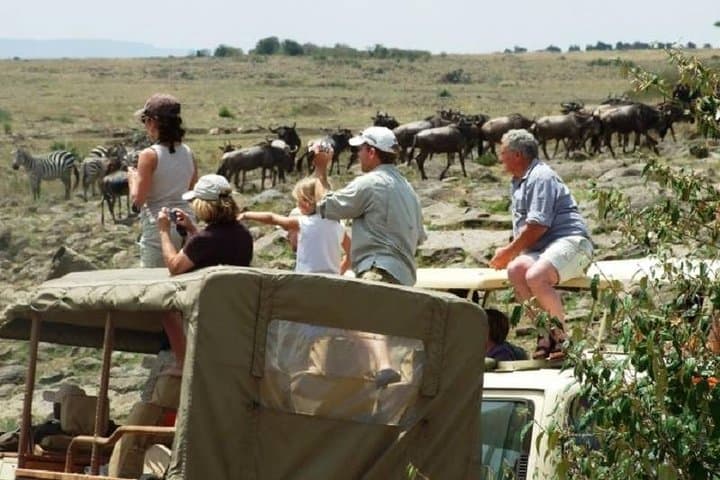
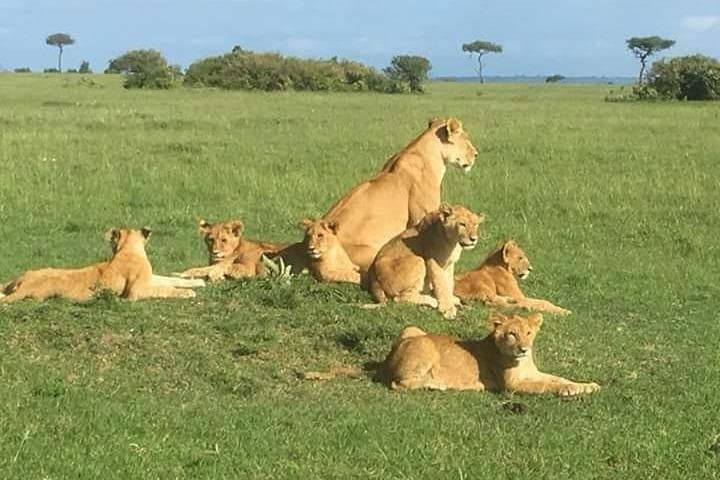
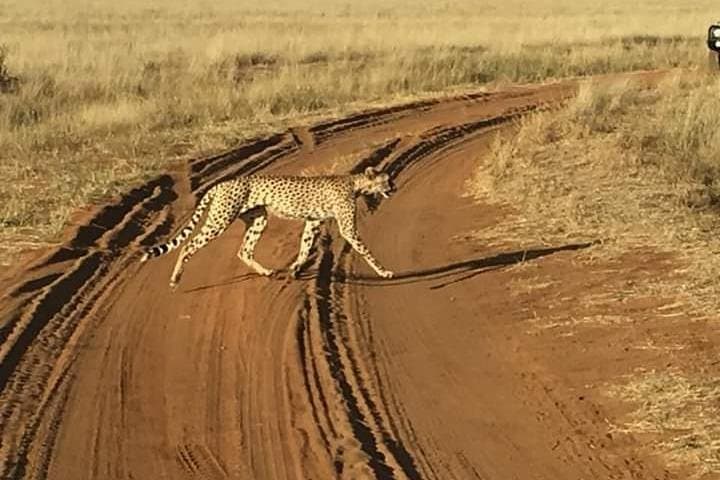
Dawn light slices across the savanna and the pop-up roof of a safari minivan becomes a living room for watching the plains wake. Conversation falls away as a lone lion lifts its head beside a scrub acacia; the Mara River ahead gurgles and dares the migrating herds to cross while crocodiles slide into the current like dark stones. Over three days, this short but focused safari compresses the Mara’s wide drama—predators on the prowl, enormous herds shifting like weather, and the human rhythms of camp life between drives.
Verified experiences and guided adventures in the surrounding area.
Operated by Pathway Safaris · Narok, Narok County
Dawn light slices across the savanna and the pop-up roof of a safari minivan becomes a living room for watching the plains wake. Conversation falls away as a lone lion lifts its head beside a scrub acacia; the Mara River ahead gurgles and dares the migrating herds to cross while crocodiles slide into the current like dark stones. Over three days, this short but focused safari compresses the Mara’s wide drama—predators on the prowl, enormous herds shifting like weather, and the human rhythms of camp life between drives.
The Maasai Mara takes its name from the Maasai people and the marbled flow of the Mara River. Geologically, the reserve sits on the eastern edge of the East African Rift; eroded escarpments and river cuttings shape the viewing platforms and river crossings that define many sightings. Culturally, Maasai communities remain visible on the landscape, their presence tied to grazing patterns and local conservation concessions.
Practically: expect early wake-ups for 4pm and dawn game drives, long stretches on dirt tracks, and three full game days with two nights in a tented camp. Pack layered clothing—the Mara cools fast at night—plus binoculars, a long lens, and sunscreen. Hydrate between drives; the dry season concentrates wildlife but also dust.
Travelers should prioritize ethical viewing distances, support guides who follow park regulations, and time visits July–October for the highest chance of witnessing river crossings. For photographers and first-time safarists, this itinerary delivers dense wildlife contact without deep backcountry logistics—big scenery, close encounters, and a compact window to experience one of Africa’s premier ecosystems.
easy.
3 days (approx. 72 hours).
Suitable for most fitness levels; requires ability to enter/exit safari vehicles and tolerate bumpy drives
Most visitors need a Kenya visa obtained before travel; consult a travel clinic for recommended vaccinations (yellow fever required if coming from an infected area; routine vaccines and malaria prophylaxis are advised).
No safari can guarantee specific sightings; the itinerary maximizes game-drive time and locations like the Mara River to increase odds, especially during migration season (July–October).
This trip includes two nights at a 4-star tented camp with shared-double-room basis, offering basic comforts, hot meals, and shower facilities as described in the itinerary.
The tour is marked as suitable for most fitness levels, but not recommended for travelers with serious back, heart conditions, or pregnancy; wheelchair access is indicated—confirm specifics with the operator when booking.
The Maasai Mara reserve was formally gazetted in the mid-20th century and is named for the Maasai people; their grazing and cultural presence shape land use around the reserve.
Conservation here balances tourism revenue and community land rights—choose operators who contribute to anti-poaching efforts and local development to minimize your trip’s footprint.
Pathway Safaris operates guided outdoor trips and adventures with an emphasis on safety, stewardship, and memorable experiences.
Dawn light slices across the savanna and the pop-up roof of a safari minivan becomes a living room for watching the plains wake. Conversation falls away as a lone lion lifts its head beside a scrub acacia; the Mara River ahead gurgles and dares the migrating herds to cross while crocodiles slide into the current like dark stones. Over three days, this short but focused safari compresses the Mara’s wide drama—predators on the prowl, enormous herds shifting like weather, and the human rhythms of camp life between drives.
Dawn light slices across the savanna and the pop-up roof of a safari minivan becomes a living room for watching the plains wake. Conversation falls away as a lone lion lifts its head beside a scrub acacia; the Mara River ahead gurgles and dares the migrating herds to cross while crocodiles slide into the current like dark stones. Over three days, this short but focused safari compresses the Mara’s wide drama—predators on the prowl, enormous herds shifting like weather, and the human rhythms of camp life between drives.
The Maasai Mara takes its name from the Maasai people and the marbled flow of the Mara River. Geologically, the reserve sits on the eastern edge of the East African Rift; eroded escarpments and river cuttings shape the viewing platforms and river crossings that define many sightings. Culturally, Maasai communities remain visible on the landscape, their presence tied to grazing patterns and local conservation concessions.
Practically: expect early wake-ups for 4pm and dawn game drives, long stretches on dirt tracks, and three full game days with two nights in a tented camp. Pack layered clothing—the Mara cools fast at night—plus binoculars, a long lens, and sunscreen. Hydrate between drives; the dry season concentrates wildlife but also dust.
Travelers should prioritize ethical viewing distances, support guides who follow park regulations, and time visits July–October for the highest chance of witnessing river crossings. For photographers and first-time safarists, this itinerary delivers dense wildlife contact without deep backcountry logistics—big scenery, close encounters, and a compact window to experience one of Africa’s premier ecosystems.