THE ADVENTURE COLLECTIVE® · Independent discovery and booking for outdoor travel

Three days in the Maasai Mara compress the continent’s wild rhythms into dawn game drives, river crossings and nights at tented camps. Read on for what to expect, where to look for the big sightings, and how to plan practically for the trip.
Three days in the Maasai Mara compress the continent’s wild rhythms into dawn game drives, river crossings and nights at tented camps. Read on for what to expect, where to look for the big sightings, and how to plan practically for the trip.
You step out at dawn and the grass exhales: a cool, highland air rolling off the Serengeti-Mara plains while a lone zebra watches you pass.
Verified experiences and guided adventures in the surrounding area.
Operated by Zunguka Safaris · Maasai Mara, Narok County
You step out at dawn and the grass exhales: a cool, highland air rolling off the Serengeti-Mara plains while a lone zebra watches you pass.
Over three days in the Maasai Mara you’ll trade city noise for wide horizons, kopjes—rocky outcrops that punctuate the savanna—and rivers that dare the migrating herds. Geologically the Mara is the northern extension of the Serengeti ecosystem, shaped by ancient rifting; the landscape sits around 1,400–1,800 meters and alternates between open grassland and ribboned riverine forest.
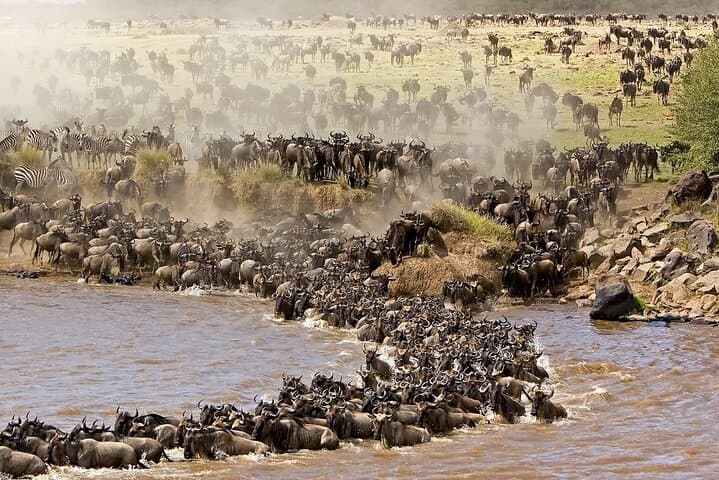
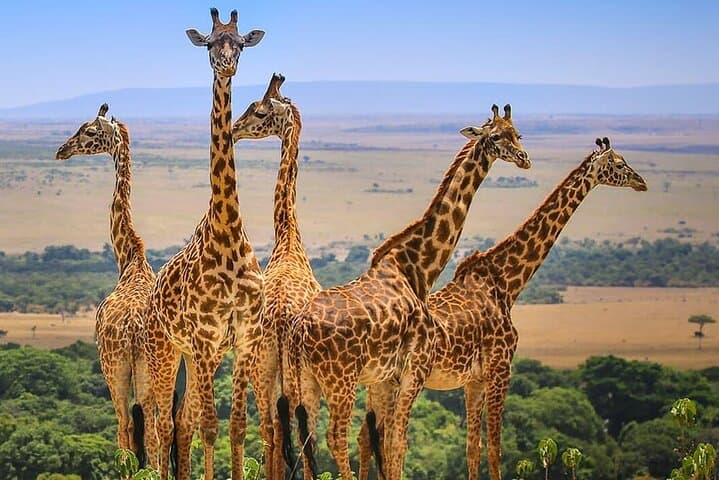
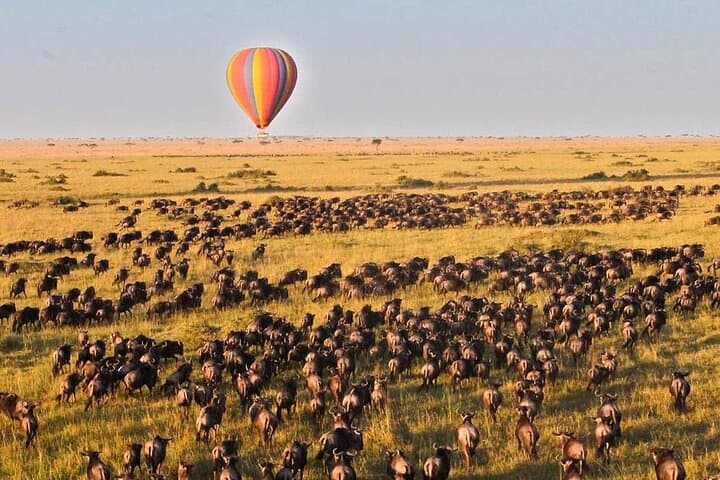
Culturally the reserve borders Maasai communities whose long grazing history and contemporary conservancy partnerships shape how visitors experience wildlife. The park is famed for the Great Migration—months when millions of wildebeest and zebras move through, and for resident predators including black-maned lions and cheetahs that sometimes rest in the shade of safari vehicles.
Expect early mornings and afternoon game drives in open 4x4s, en route stops like the Rift Valley viewpoint, and lodge or tented-camp nights. Drives can last several hours over dusty, pot-holed roads; mornings bring the best hunting activity, evenings golden light for hippos and elephants at water. Practical notes: carry sun protection, a reusable water bottle, binoculars, and a lightweight rain layer. Malaria precautions and travel insurance are recommended. With basic fitness for short walks and tolerance for long vehicle days, this classic Mara itinerary delivers close wildlife encounters, striking skies, and a clear sense of why the reserve draws explorers year after year.
moderate.
3 days.
Good for travelers who can sit for long periods in vehicles, handle short walks, and adapt to early starts
The Mara sees peak river-crossing activity typically from July through October, though exact timing varies year to year—ask guides for current reports.
Yes—malaria risk exists; consult a travel clinic for prophylaxis and pack insect repellent and long sleeves for evenings.
Most include park transfers, game drives, two nights’ accommodation (lodge or tented camp), and meals as specified—confirm vehicle type and exact inclusions before booking.
Yes—many operators and hotels offer baggage storage; confirm pickup and drop-off logistics when booking transfers.
The Maasai Mara borders traditional Maasai lands and was established as a reserve to protect both grazing and wildlife; it links ecologically with Tanzania’s Serengeti.
Community conservancies play a growing role in protection and tourism revenue-sharing; minimize impact by using established roads, avoiding single-use plastics, and supporting local guides.
Zunguka Safaris operates guided outdoor trips and adventures with an emphasis on safety, stewardship, and memorable experiences.
You step out at dawn and the grass exhales: a cool, highland air rolling off the Serengeti-Mara plains while a lone zebra watches you pass.
You step out at dawn and the grass exhales: a cool, highland air rolling off the Serengeti-Mara plains while a lone zebra watches you pass.
Over three days in the Maasai Mara you’ll trade city noise for wide horizons, kopjes—rocky outcrops that punctuate the savanna—and rivers that dare the migrating herds. Geologically the Mara is the northern extension of the Serengeti ecosystem, shaped by ancient rifting; the landscape sits around 1,400–1,800 meters and alternates between open grassland and ribboned riverine forest.
Culturally the reserve borders Maasai communities whose long grazing history and contemporary conservancy partnerships shape how visitors experience wildlife. The park is famed for the Great Migration—months when millions of wildebeest and zebras move through, and for resident predators including black-maned lions and cheetahs that sometimes rest in the shade of safari vehicles.
Expect early mornings and afternoon game drives in open 4x4s, en route stops like the Rift Valley viewpoint, and lodge or tented-camp nights. Drives can last several hours over dusty, pot-holed roads; mornings bring the best hunting activity, evenings golden light for hippos and elephants at water. Practical notes: carry sun protection, a reusable water bottle, binoculars, and a lightweight rain layer. Malaria precautions and travel insurance are recommended. With basic fitness for short walks and tolerance for long vehicle days, this classic Mara itinerary delivers close wildlife encounters, striking skies, and a clear sense of why the reserve draws explorers year after year.