THE ADVENTURE COLLECTIVE® · Independent discovery and booking for outdoor travel

Three days in the Maasai Mara distills classic African safari—sunrises over the Mara River, Big Five game drives, and optional cultural visits to nearby Maasai villages. This guide explains what to expect, how to prepare, and where the best wildlife encounters happen.
Three days in the Maasai Mara distills classic African safari—sunrises over the Mara River, Big Five game drives, and optional cultural visits to nearby Maasai villages. This guide explains what to expect, how to prepare, and where the best wildlife encounters happen.
Dawn spills across the Mara, the grasslands opening like a stage and the diesel hum of a safari vehicle cutting through the cool air. Lions bellow from a distant kopje while a lone giraffe towers above the plains, chewing deliberately as if counting the day.
Verified experiences and guided adventures in the surrounding area.
Operated by Africa Tours · Masai Mara, Narok County
Dawn spills across the Mara, the grasslands opening like a stage and the diesel hum of a safari vehicle cutting through the cool air. Lions bellow from a distant kopje while a lone giraffe towers above the plains, chewing deliberately as if counting the day.
Masai Mara National Reserve sits on the edge of the Great Rift Valley, its rolling grassland shaped by ancient tectonics and seasonal rivers. The reserve is famed for concentrations of wildebeest and zebra during the Great Migration and supports a high density of large mammals—one reason it was named Africa’s leading national park in 2017. The nearby Maasai communities have lived here for generations; visiting a village offers a glimpse of pastoral life and beadwork traditions that remain central to local identity.
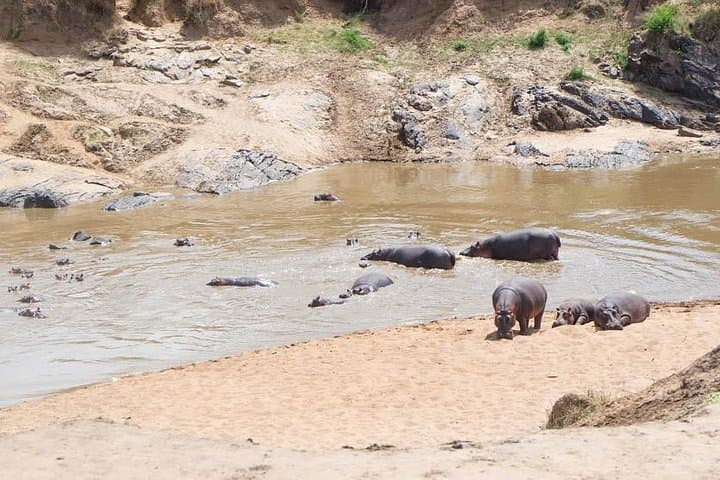
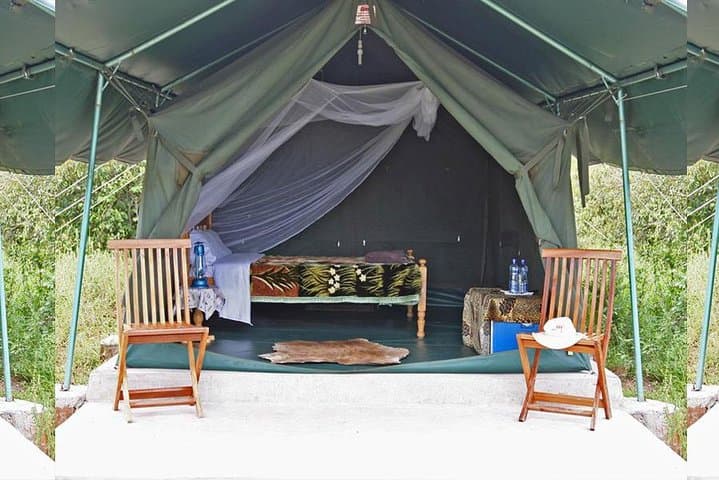
On a three-day safari you split time between morning and late-afternoon game drives, picnic lunches along the Mara River, and a night at a tented camp where generators and solar power meet canvas walls. Expect slow stakeouts at watering holes, adrenaline during predator chases, and the patient scanning of acacia lines for leopard.
Practical notes: drives are long but low impact physically—bring binoculars, layered clothing for chilly mornings, sun protection, and a charged camera with extra memory. Plan arrivals and departures through Nairobi; road transfer times can be four to six hours each way depending on stops. Respect vehicle rules in the reserve, keep noise low, and follow guides’ instructions to reduce disturbance to wildlife.
easy.
3 days.
Suitable for travelers with average mobility; requires long periods of sitting and short on-foot movements at camps or village visits.
Expect about 4–6 hours by road depending on traffic and stops; some operators offer optional flights to reduce travel time.
The itinerary is low-impact and generally suitable for most ages, but long drives and bumpy roads may be uncomfortable for those with limited mobility—consult the operator for vehicle accessibility.
Yes—balloon safaris are often available as an optional addon in the early morning; they must be booked in advance and incur an extra fee.
You’ll commonly spot lions, elephants, buffalo, giraffes, zebras, and a variety of antelope; sightings vary by season and water availability.
The Mara’s name comes from the Maasai word for ‘spotted’—a reference to the patchy landscape—and the reserve shares an ecological boundary with Tanzania’s Serengeti, together supporting the Great Migration.
Community conservancies and tourism revenue play a key role in anti-poaching and habitat protection; visitors can support by choosing operators that invest locally and follow low-impact guidelines.
Africa Tours operates guided outdoor trips and adventures with an emphasis on safety, stewardship, and memorable experiences.


Dawn spills across the Mara, the grasslands opening like a stage and the diesel hum of a safari vehicle cutting through the cool air. Lions bellow from a distant kopje while a lone giraffe towers above the plains, chewing deliberately as if counting the day.
Dawn spills across the Mara, the grasslands opening like a stage and the diesel hum of a safari vehicle cutting through the cool air. Lions bellow from a distant kopje while a lone giraffe towers above the plains, chewing deliberately as if counting the day.
Masai Mara National Reserve sits on the edge of the Great Rift Valley, its rolling grassland shaped by ancient tectonics and seasonal rivers. The reserve is famed for concentrations of wildebeest and zebra during the Great Migration and supports a high density of large mammals—one reason it was named Africa’s leading national park in 2017. The nearby Maasai communities have lived here for generations; visiting a village offers a glimpse of pastoral life and beadwork traditions that remain central to local identity.
On a three-day safari you split time between morning and late-afternoon game drives, picnic lunches along the Mara River, and a night at a tented camp where generators and solar power meet canvas walls. Expect slow stakeouts at watering holes, adrenaline during predator chases, and the patient scanning of acacia lines for leopard.
Practical notes: drives are long but low impact physically—bring binoculars, layered clothing for chilly mornings, sun protection, and a charged camera with extra memory. Plan arrivals and departures through Nairobi; road transfer times can be four to six hours each way depending on stops. Respect vehicle rules in the reserve, keep noise low, and follow guides’ instructions to reduce disturbance to wildlife.