THE ADVENTURE COLLECTIVE® · Independent discovery and booking for outdoor travel

Spend three days exploring the Maasai Mara in a pop‑roof 4x4, camping in tented camps with beds, hot showers and daily game drives. Expect riverbank hippos, big‑cat sightings and the seasonal drama of the Mara River.
Spend three days exploring the Maasai Mara in a pop‑roof 4x4, camping in tented camps with beds, hot showers and daily game drives. Expect riverbank hippos, big‑cat sightings and the seasonal drama of the Mara River.
Dust, early light and the low rumble of a diesel Land Cruiser set the pace as you leave Nairobi and head southwest toward the Mara.
Verified experiences and guided adventures in the surrounding area.
Operated by Gracepatt Ecotours Kenya · Narok, Narok County
Dust, early light and the low rumble of a diesel Land Cruiser set the pace as you leave Nairobi and head southwest toward the Mara.
By mid-morning the road opens into broad grassland; acacia silhouettes puncture the skyline and a river—often braided with hippo pools—draws animals and eyes alike. The tour follows roughly 270 km of tarmac and gravel (about a five-hour drive), arriving to tented camps that combine canvas living with beds, flush toilets and hot showers.
The Maasai Mara sits on the northern edge of the Serengeti ecosystem, shaped by the East African Rift and long grass plains that funnel the Great Migration. Maasai culture remains visible: shepherds in red shuka, seasonal bomas and livestock corridors that intersect wildlife movement. Geologically the reserve is open savanna atop rolling escarpment and riverine corridors carved by the Mara River.
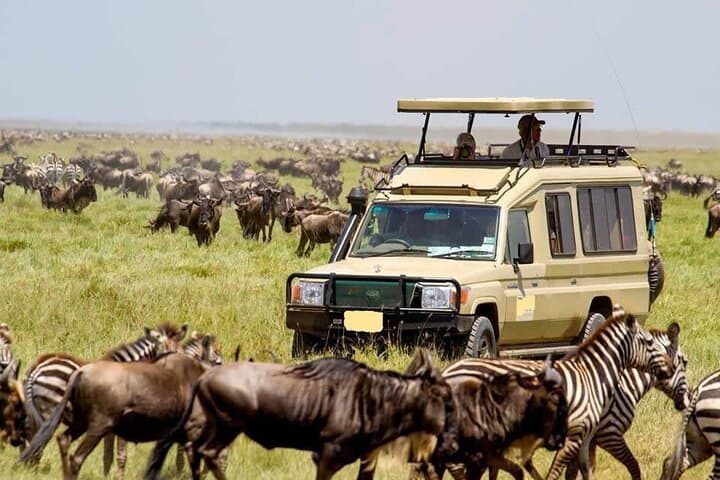
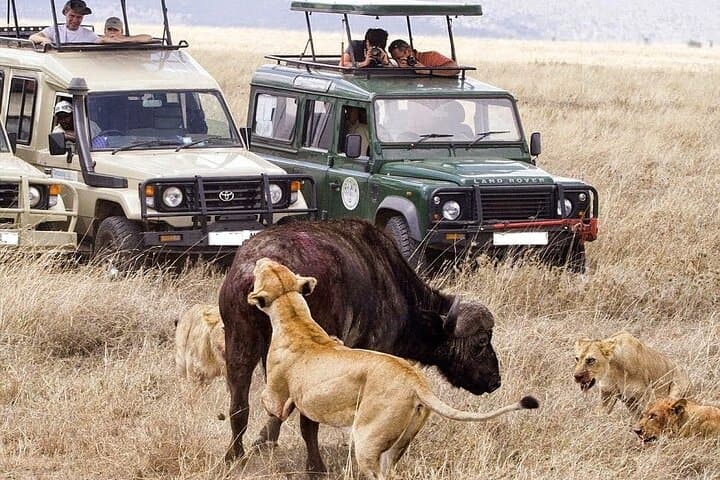
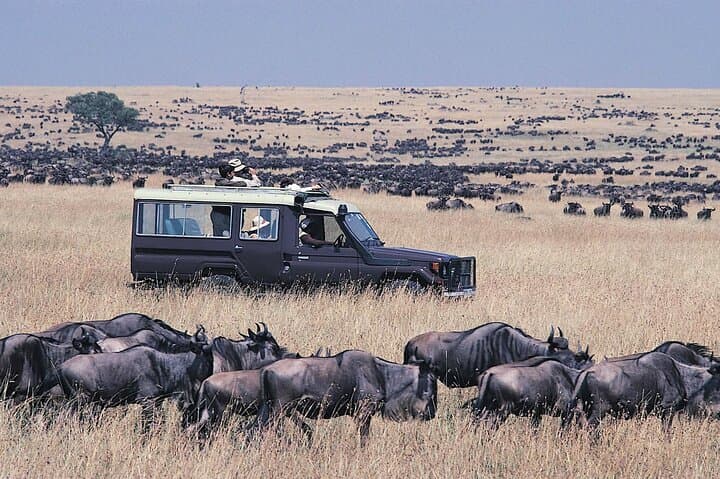
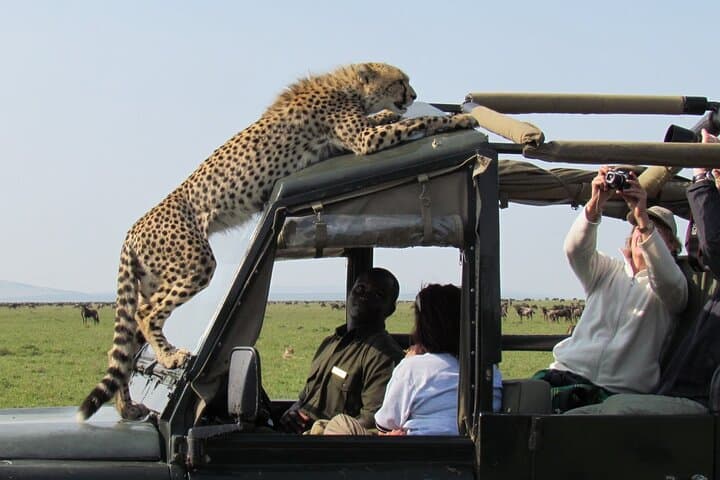
Game drives from a pop-roof 4x4 focus on predictable water sources—riverbanks, oxbow ponds and shaded gullies—where elephants, lions and the migratory wildebeest gather. Guides read spoor, anticipate crossings and locate big cats coming off early-morning hunts.
Practical guidance: pack neutral clothing, a fast lens (200–400mm ideal), sturdy closed shoes and layered warm clothes for dawn. Drive times are long between sightings; bring water and motion-sickness remedies. Expect dust, uneven tracks and variable cellular service. Early starts (pre-dawn) and late afternoon drives maximize wildlife activity. A respectful visit includes modest tipping, listening to guide safety briefings and minimizing plastic waste—small choices that keep the Mara wild for return visits.
moderate.
3 days.
Light to moderate fitness; you should be comfortable with hours in a vehicle and short walks at uneven bush tracks.
Consult your doctor before travel; malaria prophylaxis is commonly recommended for the Mara and routine vaccinations (yellow fever if transiting certain countries) should be checked.
Expect about 4–6 hours by road (roughly 270 km), depending on traffic and road conditions; some operators offer flight options separately.
Camps included typically offer proper beds, flush toilets and hot showers—comfort varies by property but basic amenities are provided as described in the itinerary.
Children are allowed but check age policies with the operator; travelers with spinal or severe back issues should avoid rough rides and discuss vehicle seating with the provider.
The Maasai Mara was designated as a game reserve in the mid-20th century and is named for the Maasai people and the Mara River; its protection links to colonial and post-colonial conservation efforts.
Tourism revenues fund anti-poaching patrols and community projects, but visitors should limit plastic waste, respect grazing corridors and follow guide instructions to reduce disturbance.
Gracepatt Ecotours Kenya operates guided outdoor trips and adventures with an emphasis on safety, stewardship, and memorable experiences.
Dust, early light and the low rumble of a diesel Land Cruiser set the pace as you leave Nairobi and head southwest toward the Mara.
Dust, early light and the low rumble of a diesel Land Cruiser set the pace as you leave Nairobi and head southwest toward the Mara.
By mid-morning the road opens into broad grassland; acacia silhouettes puncture the skyline and a river—often braided with hippo pools—draws animals and eyes alike. The tour follows roughly 270 km of tarmac and gravel (about a five-hour drive), arriving to tented camps that combine canvas living with beds, flush toilets and hot showers.
The Maasai Mara sits on the northern edge of the Serengeti ecosystem, shaped by the East African Rift and long grass plains that funnel the Great Migration. Maasai culture remains visible: shepherds in red shuka, seasonal bomas and livestock corridors that intersect wildlife movement. Geologically the reserve is open savanna atop rolling escarpment and riverine corridors carved by the Mara River.
Game drives from a pop-roof 4x4 focus on predictable water sources—riverbanks, oxbow ponds and shaded gullies—where elephants, lions and the migratory wildebeest gather. Guides read spoor, anticipate crossings and locate big cats coming off early-morning hunts.
Practical guidance: pack neutral clothing, a fast lens (200–400mm ideal), sturdy closed shoes and layered warm clothes for dawn. Drive times are long between sightings; bring water and motion-sickness remedies. Expect dust, uneven tracks and variable cellular service. Early starts (pre-dawn) and late afternoon drives maximize wildlife activity. A respectful visit includes modest tipping, listening to guide safety briefings and minimizing plastic waste—small choices that keep the Mara wild for return visits.