THE ADVENTURE COLLECTIVE® · Independent discovery and booking for outdoor travel

Three days in the Maasai Mara offers concentrated wildlife viewing: morning and evening game drives from a tented camp, chances to see the Big Five, and an optional Maasai village visit. This guide covers what to expect, how to prepare, and key local insights for a practical, memorable safari.
Three days in the Maasai Mara offers concentrated wildlife viewing: morning and evening game drives from a tented camp, chances to see the Big Five, and an optional Maasai village visit. This guide covers what to expect, how to prepare, and key local insights for a practical, memorable safari.
Dawn cuts clean across the Mara — long grass silvered, acacia silhouettes sharp against a low sun. A 4x4 crunches along a red track as guide voices fall quiet; somewhere ahead a lion’s head lifts, then vanishes. This trip places travelers in that rhythm: early-morning and late-afternoon game drives, nights in a tented camp, and wide, uninterrupted views of the plains where wildebeest and zebra graze.
Verified experiences and guided adventures in the surrounding area.
Operated by Africa Tours · Narok, Narok County
Dawn cuts clean across the Mara — long grass silvered, acacia silhouettes sharp against a low sun. A 4x4 crunches along a red track as guide voices fall quiet; somewhere ahead a lion’s head lifts, then vanishes. This trip places travelers in that rhythm: early-morning and late-afternoon game drives, nights in a tented camp, and wide, uninterrupted views of the plains where wildebeest and zebra graze.
The Maasai Mara sits on the eastern edge of the Great Rift Valley, its rolling grasslands shaped by volcanic soils and seasonal floods from the Mara River. The reserve takes its name from the Maasai people and the river that structures the ecosystem; protected designations expanded in the mid-20th century as wildlife conservation and tourism grew. The culture of the Maasai remains visible — colorful shukas, cattle-driven economies, and optional village visits that explain local life.
Practically: expect a 3-day itinerary with road transfer from Nairobi (roughly 5–6 hours, ~250–280 km depending on route) and game drives at sunrise and dusk when animals are most active. Elevation is roughly 1,500 m; terrain alternates between open grassland, riverine woodland and rocky kopjes that are excellent for spotting big cats. Bring binoculars, sun protection, and a warm layer for cold mornings. Vehicles are equipped for off-road tracking; follow guide instructions, keep distance from wildlife, and pack water and anti-mosquito measures.
This is a hands-on wildlife experience — low technical difficulty but high sensory payoff. Travelers should plan for early starts, modest camp comforts, and the possibility of seeing the Big Five, river crossings, and expansive savanna skies.
moderate.
3 days.
Suitable for people with average fitness who can board safari vehicles and handle uneven ground during short walks
Consult a travel clinic for current recommendations (e.g., Yellow Fever if arriving from affected countries, routine vaccines, and anti-malarial options).
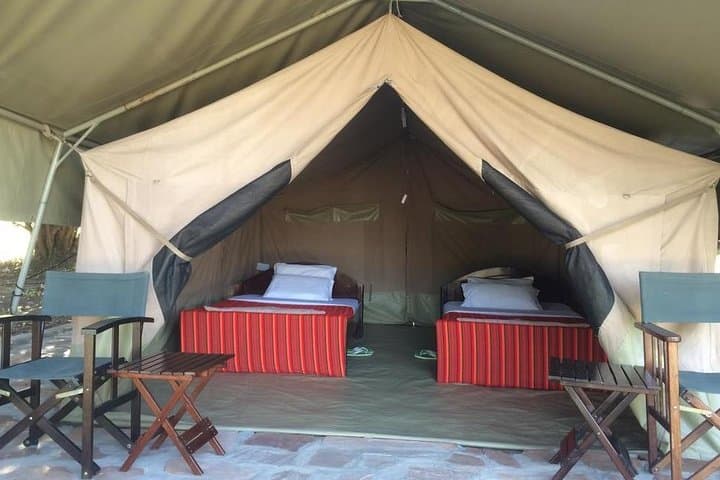
This itinerary includes nights in a tented safari camp; check booking details for specific camp standards and bedding arrangements.
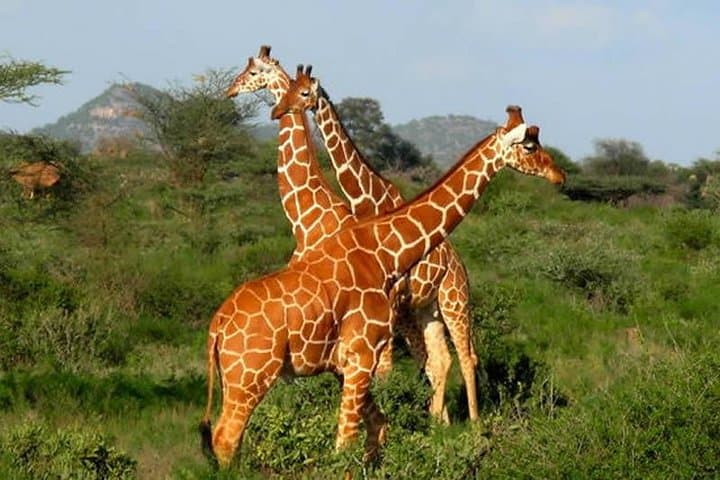
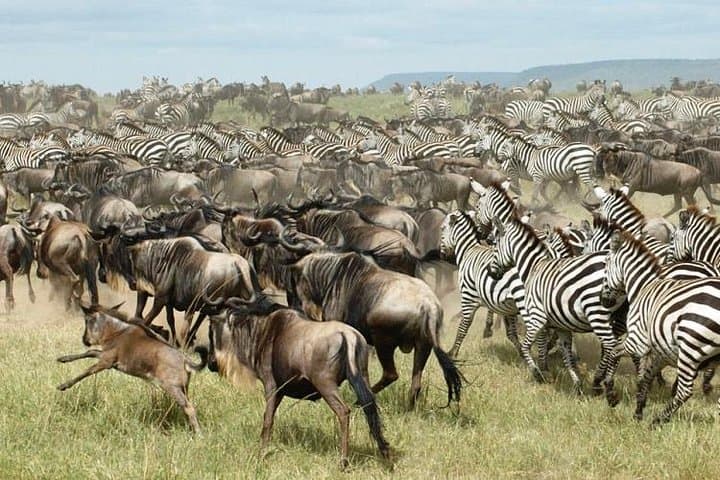
Common sightings include lions, elephants, giraffes, zebra, buffalo and often large herds of wildebeest; sightings are not guaranteed but guides increase chances.
Yes — an optional cultural visit is typically offered; be respectful, ask before photographing, and consider small gifts or fees arranged through the camp.
The reserve is named for the Maasai people and the Mara River; formal protection expanded in the mid-20th century as conservation and tourism developed in the region.
Responsible tourism supports anti-poaching and community initiatives; follow park rules, support local guides, and minimize waste to reduce impact.
Africa Tours operates guided outdoor trips and adventures with an emphasis on safety, stewardship, and memorable experiences.
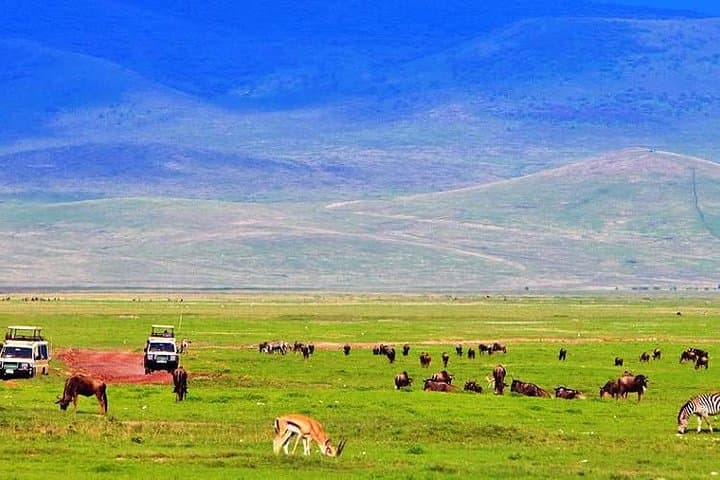
Dawn cuts clean across the Mara — long grass silvered, acacia silhouettes sharp against a low sun. A 4x4 crunches along a red track as guide voices fall quiet; somewhere ahead a lion’s head lifts, then vanishes. This trip places travelers in that rhythm: early-morning and late-afternoon game drives, nights in a tented camp, and wide, uninterrupted views of the plains where wildebeest and zebra graze.
Dawn cuts clean across the Mara — long grass silvered, acacia silhouettes sharp against a low sun. A 4x4 crunches along a red track as guide voices fall quiet; somewhere ahead a lion’s head lifts, then vanishes. This trip places travelers in that rhythm: early-morning and late-afternoon game drives, nights in a tented camp, and wide, uninterrupted views of the plains where wildebeest and zebra graze.
The Maasai Mara sits on the eastern edge of the Great Rift Valley, its rolling grasslands shaped by volcanic soils and seasonal floods from the Mara River. The reserve takes its name from the Maasai people and the river that structures the ecosystem; protected designations expanded in the mid-20th century as wildlife conservation and tourism grew. The culture of the Maasai remains visible — colorful shukas, cattle-driven economies, and optional village visits that explain local life.
Practically: expect a 3-day itinerary with road transfer from Nairobi (roughly 5–6 hours, ~250–280 km depending on route) and game drives at sunrise and dusk when animals are most active. Elevation is roughly 1,500 m; terrain alternates between open grassland, riverine woodland and rocky kopjes that are excellent for spotting big cats. Bring binoculars, sun protection, and a warm layer for cold mornings. Vehicles are equipped for off-road tracking; follow guide instructions, keep distance from wildlife, and pack water and anti-mosquito measures.
This is a hands-on wildlife experience — low technical difficulty but high sensory payoff. Travelers should plan for early starts, modest camp comforts, and the possibility of seeing the Big Five, river crossings, and expansive savanna skies.