THE ADVENTURE COLLECTIVE® · Independent discovery and booking for outdoor travel

Walk tea gardens, terraced fields and village paths within the Annapurna foothills on a three-day loop from Pokhara. Expect warm homestays, panoramic mountain views, and moderate trails suited to first-time trekkers with steady fitness.
Walk tea gardens, terraced fields and village paths within the Annapurna foothills on a three-day loop from Pokhara. Expect warm homestays, panoramic mountain views, and moderate trails suited to first-time trekkers with steady fitness.
Stepping out of Pokhara's lowland bustle, the trail quickly dips into tea gardens and terraces where the land seems to rise and breathe toward the Annapurna skyline. Morning mist peels off the hills as Machhapuchhre (Fishtail) and Annapurna peaks pin the horizon; birds call from rhododendron and oak as you walk.
Verified experiences and guided adventures in the surrounding area.
Operated by CAN Travels · Pokhara, Gandaki Province
Stepping out of Pokhara's lowland bustle, the trail quickly dips into tea gardens and terraces where the land seems to rise and breathe toward the Annapurna skyline. Morning mist peels off the hills as Machhapuchhre (Fishtail) and Annapurna peaks pin the horizon; birds call from rhododendron and oak as you walk.
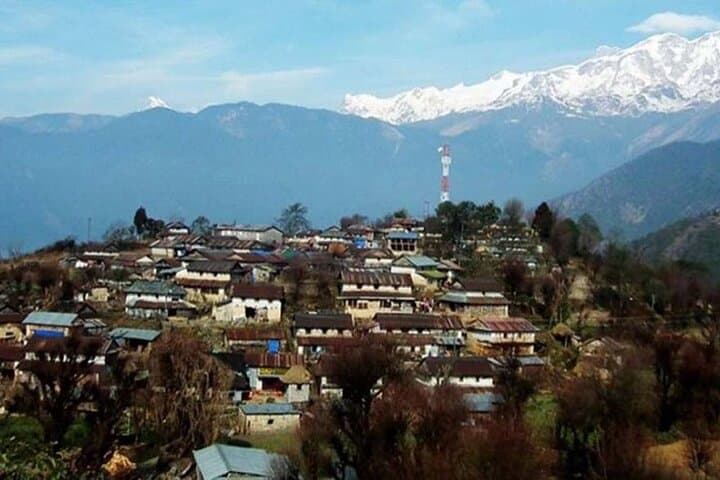
This three-day route threads traditional Gurung villages that have farmed these slopes for generations. Tea cultivation in Lwang carries local techniques still taught in family plots; Ghalel preserves wood-and-stone homes that show vernacular hill architecture. Geologically, you’re on the southern foothills of the Himalayan uplift — folded shale and sandstone giving steep ridgelines and fertile terraces.
Trails vary from packed dirt to stepped field paths, with short forested sections and several small stream crossings. Ghachowk opens to broad views and quiet guest houses where hosts serve simple dal, local vegetables, and home-brewed tea. The pace is unhurried but rhythmic: uphill breath, level walking, downhill footing.
Practical edge: elevations here range roughly 1,260–1,460 m, so altitude is moderate but can affect breathing if you’re coming straight from lower terrain. Expect 4–6 hours of trekking on walking days; wear sturdy boots, bring layered clothing for cool mornings, and carry cash — small village shops and homestays typically don’t accept cards. Guides smooth logistics (transfers, permits, accommodations) and add cultural context; respect local customs, ask before photographing people, and pack out non-biodegradable waste. With basic fitness and waterproof layers, this trek delivers close-in Himalayan views, living culture, and quiet trails without technical climbing.
moderate.
3 days (approx. 6–8 hours walking per day).
Suitable for hikers with regular aerobic activity; be comfortable with sustained uphill and downhill walking on uneven terrain.
No national trekking permits are required for these short community routes; the tour includes any local entrance fees and official documents the operator lists.
Moderate fitness is sufficient — regular walkers and those who do cardio can complete the daily stages; prior day-hikes will help.
Overnights are in local guest houses or family homestays offering basic beds, shared bathrooms in many cases, and home-cooked meals.
Monsoon (June–August) brings heavy rain and slippery trails; sections can be prone to landslips, so check local conditions and travel with an experienced guide.
The area is predominantly inhabited by Gurung communities whose hill farming and tea practices have shaped terraces and local customs for centuries.
Support local economies by staying in village guest houses and avoiding single-use plastics; stick to established trails to prevent erosion on steep terraces.
CAN Travels operates guided outdoor trips and adventures with an emphasis on safety, stewardship, and memorable experiences.
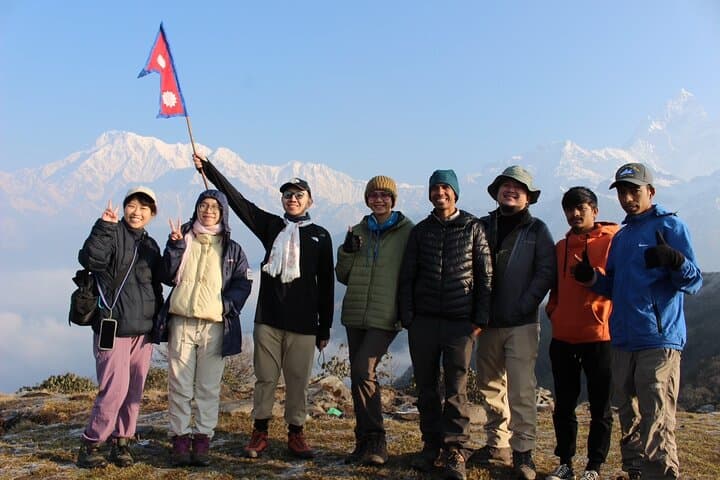
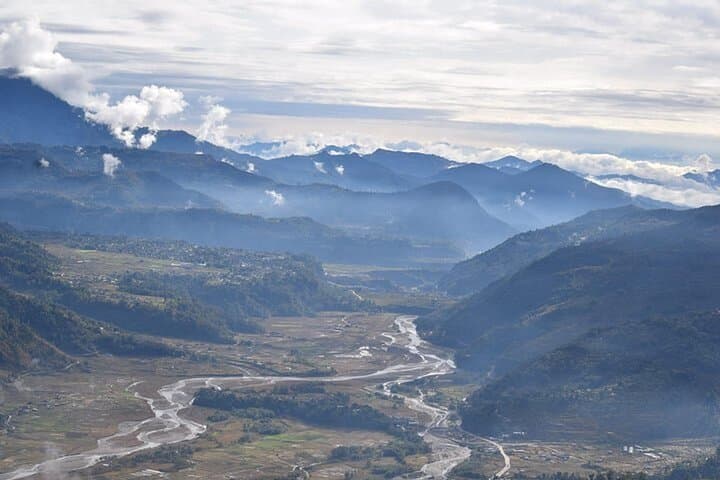
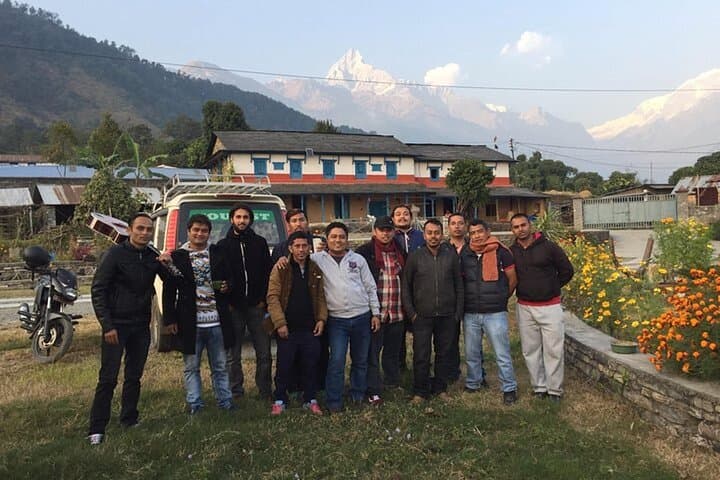
Stepping out of Pokhara's lowland bustle, the trail quickly dips into tea gardens and terraces where the land seems to rise and breathe toward the Annapurna skyline. Morning mist peels off the hills as Machhapuchhre (Fishtail) and Annapurna peaks pin the horizon; birds call from rhododendron and oak as you walk.
Stepping out of Pokhara's lowland bustle, the trail quickly dips into tea gardens and terraces where the land seems to rise and breathe toward the Annapurna skyline. Morning mist peels off the hills as Machhapuchhre (Fishtail) and Annapurna peaks pin the horizon; birds call from rhododendron and oak as you walk.
This three-day route threads traditional Gurung villages that have farmed these slopes for generations. Tea cultivation in Lwang carries local techniques still taught in family plots; Ghalel preserves wood-and-stone homes that show vernacular hill architecture. Geologically, you’re on the southern foothills of the Himalayan uplift — folded shale and sandstone giving steep ridgelines and fertile terraces.
Trails vary from packed dirt to stepped field paths, with short forested sections and several small stream crossings. Ghachowk opens to broad views and quiet guest houses where hosts serve simple dal, local vegetables, and home-brewed tea. The pace is unhurried but rhythmic: uphill breath, level walking, downhill footing.
Practical edge: elevations here range roughly 1,260–1,460 m, so altitude is moderate but can affect breathing if you’re coming straight from lower terrain. Expect 4–6 hours of trekking on walking days; wear sturdy boots, bring layered clothing for cool mornings, and carry cash — small village shops and homestays typically don’t accept cards. Guides smooth logistics (transfers, permits, accommodations) and add cultural context; respect local customs, ask before photographing people, and pack out non-biodegradable waste. With basic fitness and waterproof layers, this trek delivers close-in Himalayan views, living culture, and quiet trails without technical climbing.