THE ADVENTURE COLLECTIVE® · Independent discovery and booking for outdoor travel

Cross the High Atlas, ride a camel over the orange crests of Erg Chebbi, and sleep under a sky of impossible stars in a luxury tent. This three-day journey pairs dramatic geology with Berber hospitality and modern comforts.
Cross the High Atlas, ride a camel over the orange crests of Erg Chebbi, and sleep under a sky of impossible stars in a luxury tent. This three-day journey pairs dramatic geology with Berber hospitality and modern comforts.
You arrive as the sun slides toward the horizon and the dunes of Erg Chebbi turn to molten gold. A caravan of camels picks its way up the nearest crest; wind-sculpted ridges sigh behind you while the guide steers toward a luxury camp tucked at the dune’s base. Night will bring drumming, mint tea, and a sky so wide it seems to tilt the world.
Verified experiences and guided adventures in the surrounding area.
Operated by Experience Marrakech · Merzouga, Drâa-Tafilalet
You arrive as the sun slides toward the horizon and the dunes of Erg Chebbi turn to molten gold. A caravan of camels picks its way up the nearest crest; wind-sculpted ridges sigh behind you while the guide steers toward a luxury camp tucked at the dune’s base. Night will bring drumming, mint tea, and a sky so wide it seems to tilt the world.
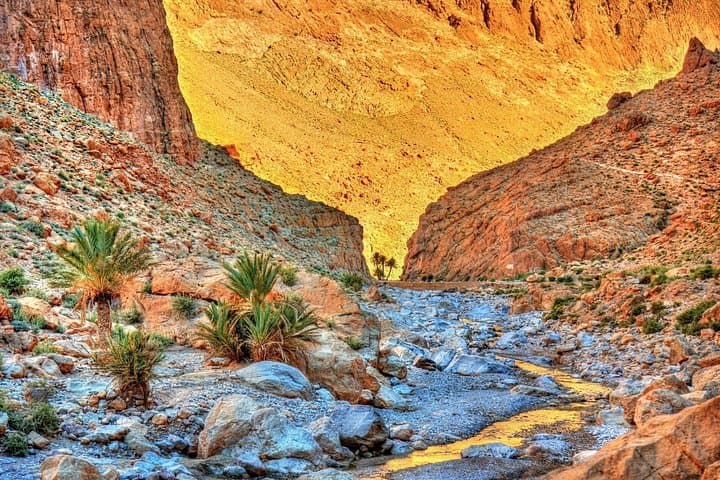
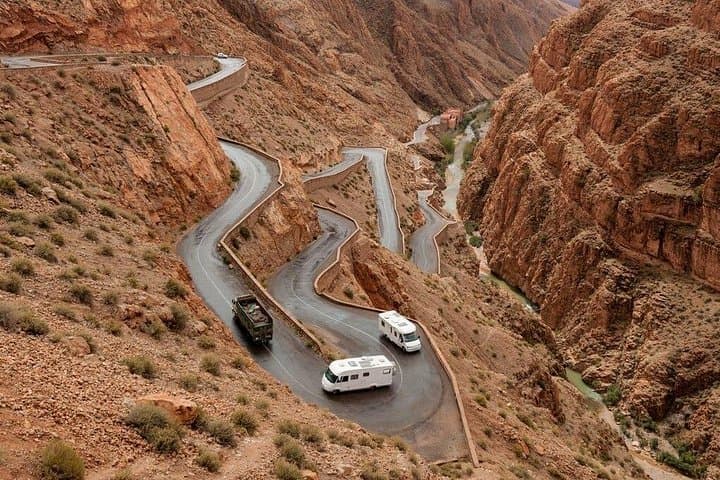
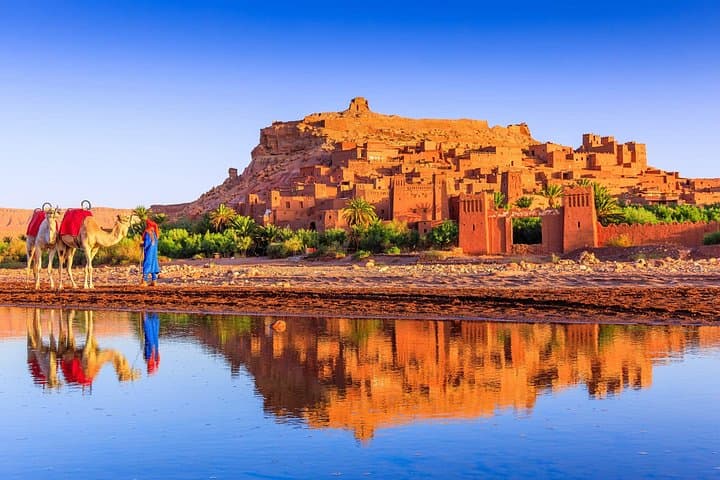
This route threads through the High Atlas via the Tizi n’Tichka Pass, past the earthen towers of Ait Ben Haddou and into the Dades and Todgha valleys—places shaped by tectonics, irrigation and centuries of Berber presence. The dunes themselves are shifting deposits of Sahara sand blown north from ancient riverbeds; Erg Chebbi’s tall, orange crescent dunes contrast with the hard, folded rock of the Atlas that birthed the route.
Culturally, expect warm, music-led evenings and conversations about nomadic traditions; camp hosts often combine modern comforts with local craftsmanship. Historically the corridor supported caravan traffic and fortified kasbahs that still punctuate the valleys.
Practical guidance: travel is mostly by vehicle with a short camel trek at sunset—pack layers for large temperature swings, sun protection, and sturdy shoes for rocky stops. Nighttime in a luxury tent typically includes real beds and shared or private facilities depending on the camp; book early in high season. Hydrate before and during your desert transfer, and keep an eye on luggage limits for the camel leg. Timing your travel for spring or autumn gives milder days for hiking and clearer skies for stargazing.
moderate.
3 days.
Suitable for most fitness levels; involves long vehicle transfers, short walks and a camel ride—no sustained technical exertion.
Most of the trip is by vehicle; expect short walks at sights like Todgha Gorges and a gentle camel trek over dunes lasting about 45–90 minutes.
Yes—guides and handlers lead the camels; riders should be able to mount and dismount with minimal assistance and follow safety briefings.
Luxury camps typically offer furnished tents with proper beds, bedding, private or shared wash facilities, evening meals and entertainment, though exact amenities vary by provider.
Yes—drivers and guides accommodate diverse groups, but consider mobility limits for dune walks or camel mounting; inform the operator of special needs when booking.
The route follows historic lines of trans-Saharan movement where kasbahs and ksours protected traders; Ait Ben Haddou is a UNESCO site that preserves mud-brick defense architecture and film history.
Erg ecosystems are fragile; stick to guided paths, avoid off-road driving on dunes, and conserve water—local operators increasingly use sustainable camp practices to reduce impact.
Experience Marrakech operates guided outdoor trips and adventures with an emphasis on safety, stewardship, and memorable experiences.
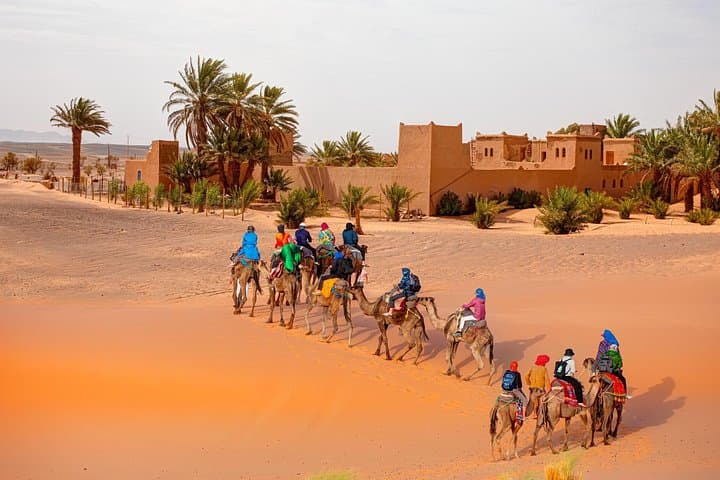
You arrive as the sun slides toward the horizon and the dunes of Erg Chebbi turn to molten gold. A caravan of camels picks its way up the nearest crest; wind-sculpted ridges sigh behind you while the guide steers toward a luxury camp tucked at the dune’s base. Night will bring drumming, mint tea, and a sky so wide it seems to tilt the world.
You arrive as the sun slides toward the horizon and the dunes of Erg Chebbi turn to molten gold. A caravan of camels picks its way up the nearest crest; wind-sculpted ridges sigh behind you while the guide steers toward a luxury camp tucked at the dune’s base. Night will bring drumming, mint tea, and a sky so wide it seems to tilt the world.
This route threads through the High Atlas via the Tizi n’Tichka Pass, past the earthen towers of Ait Ben Haddou and into the Dades and Todgha valleys—places shaped by tectonics, irrigation and centuries of Berber presence. The dunes themselves are shifting deposits of Sahara sand blown north from ancient riverbeds; Erg Chebbi’s tall, orange crescent dunes contrast with the hard, folded rock of the Atlas that birthed the route.
Culturally, expect warm, music-led evenings and conversations about nomadic traditions; camp hosts often combine modern comforts with local craftsmanship. Historically the corridor supported caravan traffic and fortified kasbahs that still punctuate the valleys.
Practical guidance: travel is mostly by vehicle with a short camel trek at sunset—pack layers for large temperature swings, sun protection, and sturdy shoes for rocky stops. Nighttime in a luxury tent typically includes real beds and shared or private facilities depending on the camp; book early in high season. Hydrate before and during your desert transfer, and keep an eye on luggage limits for the camel leg. Timing your travel for spring or autumn gives milder days for hiking and clearer skies for stargazing.