THE ADVENTURE COLLECTIVE® · Independent discovery and booking for outdoor travel

Three days in Bwindi Impenetrable National Park take you deep into the forest to find mountain gorillas. This practical guide details terrain, timing, logistics and what to expect on a Rushaga-sector gorilla trek.
Three days in Bwindi Impenetrable National Park take you deep into the forest to find mountain gorillas. This practical guide details terrain, timing, logistics and what to expect on a Rushaga-sector gorilla trek.
Fog lifts from a ridgeline as your vehicle curves into Bwindi Impenetrable National Park; moss hangs from branches and the forest seems to breathe. On day two you join the morning briefing, tighten gaiters and step into a world of vine-choked slopes and narrow animal trails where every snap of a twig could be a ravenous duiker or a family of mountain gorillas moving through the understory.
Verified experiences and guided adventures in the surrounding area.
Operated by Mond Safaris uganda · Kabale, Kabale District
Fog lifts from a ridgeline as your vehicle curves into Bwindi Impenetrable National Park; moss hangs from branches and the forest seems to breathe. On day two you join the morning briefing, tighten gaiters and step into a world of vine-choked slopes and narrow animal trails where every snap of a twig could be a ravenous duiker or a family of mountain gorillas moving through the understory.
Bwindi’s dense forest sits on ancient volcanic soils and steep, eroded hills that force wildlife into isolated valleys—the reason half the world’s mountain gorillas survive here. The park’s human history includes Batwa hunter-gatherers and centuries of agricultural settlement along its borders; conservation efforts today balance tourism revenue with local community livelihoods.
Expect steep, often muddy terrain and scramble sections; gorilla sightings can take 30 minutes or a full day of tracking. Once located, visitors spend a privileged hour with a habituated group under ranger supervision—quiet observation rather than staging. Guides interpret gorilla behavior and point out other wildlife such as chimpanzees and rare forest birds.
Practical notes: trekking demands closed-toe boots, rain protection and a daypack with water and snacks. Start early to reduce heat and crowds, bring cash for conservation fees and local tips, and allow a full travel day each way from Kampala/Entebbe. If you have back problems or pregnancy, this trip is not recommended. Packing light, staying hydrated and listening closely to your guide will maximize your chance of a respectful, unforgettable encounter.
challenging.
3 days (includes travel days).
Participants should have good cardiovascular fitness and the ability to hike on steep, muddy terrain for several hours.
Visitors are allowed one hour of observation with a habituated gorilla group under ranger supervision to limit stress on the animals.
A gorilla permit is required; availability varies—confirm at booking. This tour depends on permit access and typically includes transport and meals but verify whether the permit fee is included.
Trekking ranges from moderate to strenuous across steep, muddy slopes—good mobility and stamina are essential; the activity is not recommended for those with serious back or heart conditions or pregnancy.
Age restrictions depend on park regulations and operator policy; many treks require children to be older and able to follow rules and remain quiet during viewing.
Bwindi’s cliffs and valleys formed on ancient volcanic and metamorphic rocks; the area has long been inhabited by Batwa people and later agricultural communities.
Gorilla trekking revenue supports anti-poaching and community projects—travelers are encouraged to follow park rules and use authorized guides to minimize disturbance.
Mond Safaris uganda operates guided outdoor trips and adventures with an emphasis on safety, stewardship, and memorable experiences.
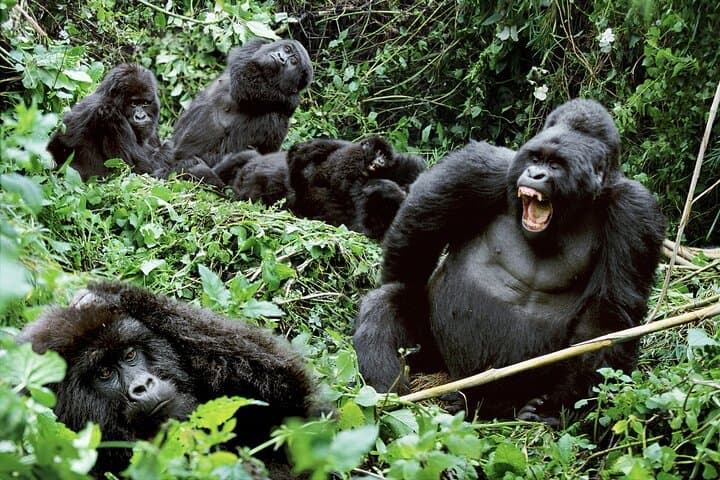


Fog lifts from a ridgeline as your vehicle curves into Bwindi Impenetrable National Park; moss hangs from branches and the forest seems to breathe. On day two you join the morning briefing, tighten gaiters and step into a world of vine-choked slopes and narrow animal trails where every snap of a twig could be a ravenous duiker or a family of mountain gorillas moving through the understory.
Fog lifts from a ridgeline as your vehicle curves into Bwindi Impenetrable National Park; moss hangs from branches and the forest seems to breathe. On day two you join the morning briefing, tighten gaiters and step into a world of vine-choked slopes and narrow animal trails where every snap of a twig could be a ravenous duiker or a family of mountain gorillas moving through the understory.
Bwindi’s dense forest sits on ancient volcanic soils and steep, eroded hills that force wildlife into isolated valleys—the reason half the world’s mountain gorillas survive here. The park’s human history includes Batwa hunter-gatherers and centuries of agricultural settlement along its borders; conservation efforts today balance tourism revenue with local community livelihoods.
Expect steep, often muddy terrain and scramble sections; gorilla sightings can take 30 minutes or a full day of tracking. Once located, visitors spend a privileged hour with a habituated group under ranger supervision—quiet observation rather than staging. Guides interpret gorilla behavior and point out other wildlife such as chimpanzees and rare forest birds.
Practical notes: trekking demands closed-toe boots, rain protection and a daypack with water and snacks. Start early to reduce heat and crowds, bring cash for conservation fees and local tips, and allow a full travel day each way from Kampala/Entebbe. If you have back problems or pregnancy, this trip is not recommended. Packing light, staying hydrated and listening closely to your guide will maximize your chance of a respectful, unforgettable encounter.