THE ADVENTURE COLLECTIVE® · Independent discovery and booking for outdoor travel

Three days that thread Luxor’s temples, Aswan’s island shrines and the monumental Abu Simbel into a single itinerary. Expect first-class train travel, air-conditioned transfers, early starts, and guided walks through some of Egypt’s most iconic archaeological sites.
Three days that thread Luxor’s temples, Aswan’s island shrines and the monumental Abu Simbel into a single itinerary. Expect first-class train travel, air-conditioned transfers, early starts, and guided walks through some of Egypt’s most iconic archaeological sites.
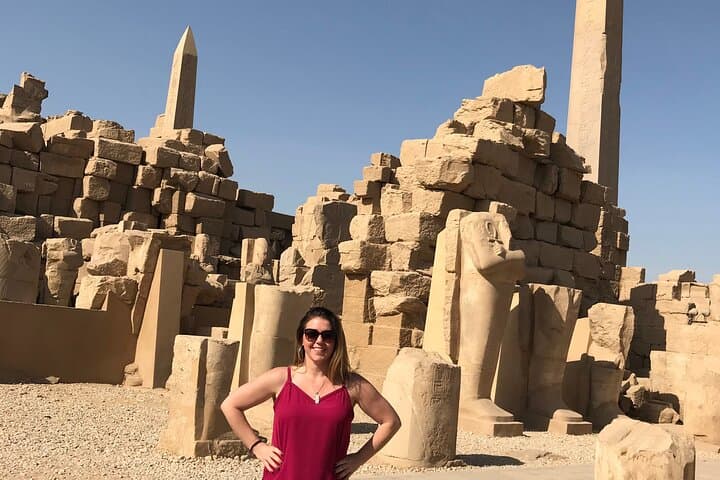
The Nile dawns silver as you step into Luxor’s eastern light: the Avenue of Sphinxes leading toward Karnak, columns rising like a carved forest, and a guide whose voice threads centuries-old stories into the morning air.
Verified experiences and guided adventures in the surrounding area.
Operated by Egypt Lifetime Tours · Luxor, Luxor Governorate
The Nile dawns silver as you step into Luxor’s eastern light: the Avenue of Sphinxes leading toward Karnak, columns rising like a carved forest, and a guide whose voice threads centuries-old stories into the morning air.
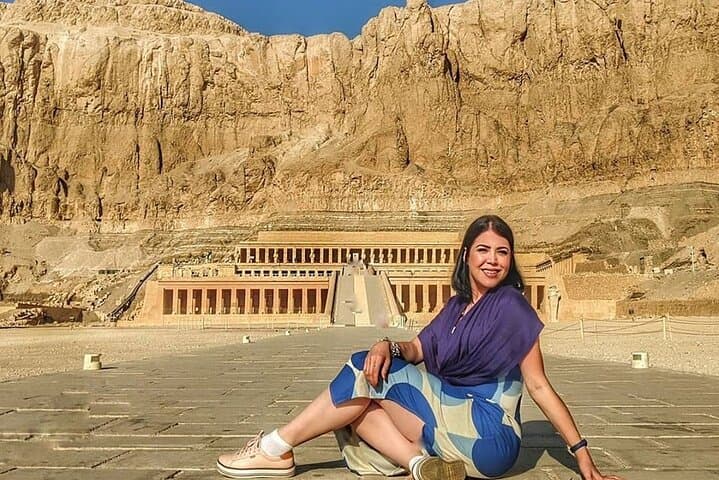
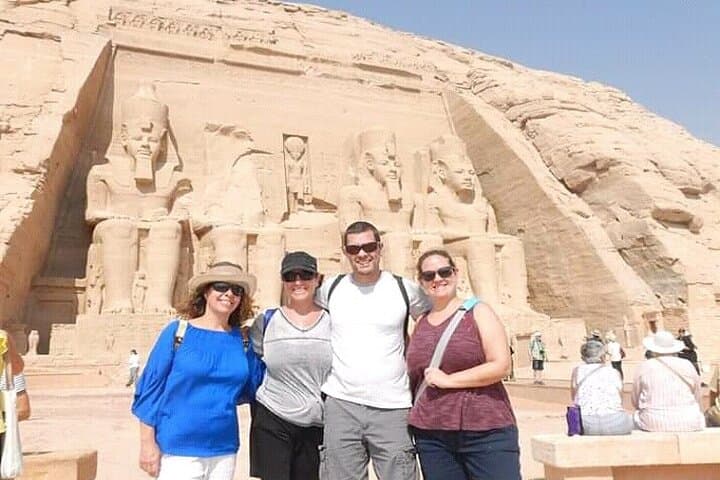
Over three days you move from Luxor’s East and West Banks to the quiet island temples of Aswan, then press south across desert scarps to the cliff-set colossi of Abu Simbel — a sequence of sites that reads like an architectural march through ancient Egyptian power.
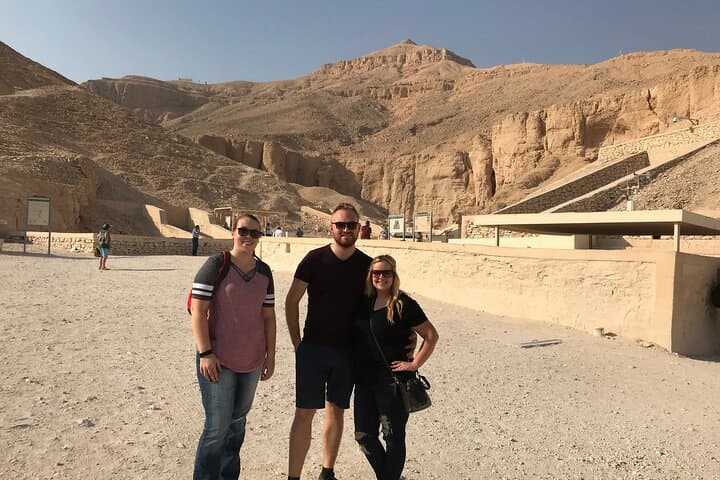
Geology and history are obvious here: limestone cliffs that sculpted royal tombs in the Valley of the Kings; riverine silt that made the Nile valley fertile; modern engineering at the Aswan High Dam that reshaped Lake Nasser and prompted the relocation of temples such as Philae and Abu Simbel.
Culturally, expect layered storytelling — pharaohs, priests, and 20th-century archaeologists all played roles in the landscapes you’ll visit. Guides interpret hieroglyphs, point out ritual alignments, and advise where to look for carved details inside tombs (guides may not enter tomb interiors).
Practical side: the itinerary includes a first-class seated train (Luxor→Aswan, ~3–4 hours), air-conditioned transfers, early morning departure for Abu Simbel (≈285 km, ~3 hours each way), and moderate walking on uneven stone and stairs. Carry sun protection, a refillable water bottle, comfortable shoes, and a breathable layer for early starts and cool temple interiors.
Timing matters — early trains and pre-dawn departures beat heat and crowds; allow extra time for museum or souvenir stops. This trip is built for travelers who want concentrated access to Egypt’s headline monuments while minimizing logistics and maximizing time at each site.
easy.
3 days.
Suitable for travelers in basic walking shape; must manage stairs, uneven surfaces and multi-hour transfers.
This tour description notes admissions are not included—bring cash or card for entry tickets at sites unless specified otherwise in your booking confirmation.
Guides are usually not permitted inside the tomb interiors; your guide will explain features outside and point out what to focus on inside each tomb.
The advertised first-class seated train takes approximately 3–4 hours; travel time can vary slightly depending on service and scheduling.
Abu Simbel has ramps and pathways but involves walking on uneven surfaces and some steps; the operator lists wheelchair accessibility but check specific assistance needs in advance.
Luxor and Aswan were central cities of ancient Thebes and Kushite interactions; many temples were expanded or relocated by later rulers and modern engineers during mid-20th-century dam projects.
Relocation projects like Philae and Abu Simbel were early large-scale conservation efforts; visitors are encouraged to follow site rules to limit wear and support ongoing preservation.
Egypt Lifetime Tours operates guided outdoor trips and adventures with an emphasis on safety, stewardship, and memorable experiences.
The Nile dawns silver as you step into Luxor’s eastern light: the Avenue of Sphinxes leading toward Karnak, columns rising like a carved forest, and a guide whose voice threads centuries-old stories into the morning air.
The Nile dawns silver as you step into Luxor’s eastern light: the Avenue of Sphinxes leading toward Karnak, columns rising like a carved forest, and a guide whose voice threads centuries-old stories into the morning air.
Over three days you move from Luxor’s East and West Banks to the quiet island temples of Aswan, then press south across desert scarps to the cliff-set colossi of Abu Simbel — a sequence of sites that reads like an architectural march through ancient Egyptian power.
Geology and history are obvious here: limestone cliffs that sculpted royal tombs in the Valley of the Kings; riverine silt that made the Nile valley fertile; modern engineering at the Aswan High Dam that reshaped Lake Nasser and prompted the relocation of temples such as Philae and Abu Simbel.
Culturally, expect layered storytelling — pharaohs, priests, and 20th-century archaeologists all played roles in the landscapes you’ll visit. Guides interpret hieroglyphs, point out ritual alignments, and advise where to look for carved details inside tombs (guides may not enter tomb interiors).
Practical side: the itinerary includes a first-class seated train (Luxor→Aswan, ~3–4 hours), air-conditioned transfers, early morning departure for Abu Simbel (≈285 km, ~3 hours each way), and moderate walking on uneven stone and stairs. Carry sun protection, a refillable water bottle, comfortable shoes, and a breathable layer for early starts and cool temple interiors.
Timing matters — early trains and pre-dawn departures beat heat and crowds; allow extra time for museum or souvenir stops. This trip is built for travelers who want concentrated access to Egypt’s headline monuments while minimizing logistics and maximizing time at each site.