THE ADVENTURE COLLECTIVE® · Independent discovery and booking for outdoor travel

A focused, three-day guided loop through Luxor’s East and West Banks, finishing with the late-Roman Temple of Hathor at Dendera. Expect long walking days, strong sun, and compact geology that tells Egypt’s pharaonic story.
A focused, three-day guided loop through Luxor’s East and West Banks, finishing with the late-Roman Temple of Hathor at Dendera. Expect long walking days, strong sun, and compact geology that tells Egypt’s pharaonic story.
You step out into the dry morning air as the Nile pushes its slow current past Luxor, the river daring you to keep pace. On day one the west bank’s pale limestone scarps rise like pages in a history book — narrow tomb corridors, painted chambers and the hush of the Valley of the Kings. By dusk the Colossi of Memnon stand watch, two sleeping giants caught between shadow and sandstone.
Verified experiences and guided adventures in the surrounding area.
Operated by Book Your Tours · Luxor, Luxor Governorate
You step out into the dry morning air as the Nile pushes its slow current past Luxor, the river daring you to keep pace. On day one the west bank’s pale limestone scarps rise like pages in a history book — narrow tomb corridors, painted chambers and the hush of the Valley of the Kings. By dusk the Colossi of Memnon stand watch, two sleeping giants caught between shadow and sandstone.
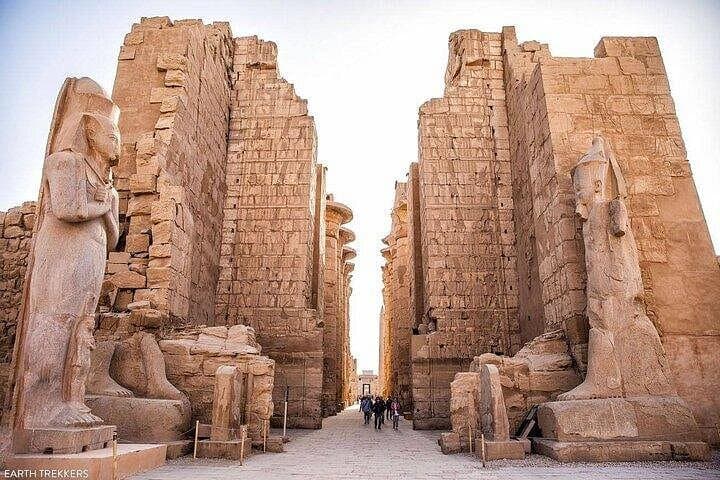
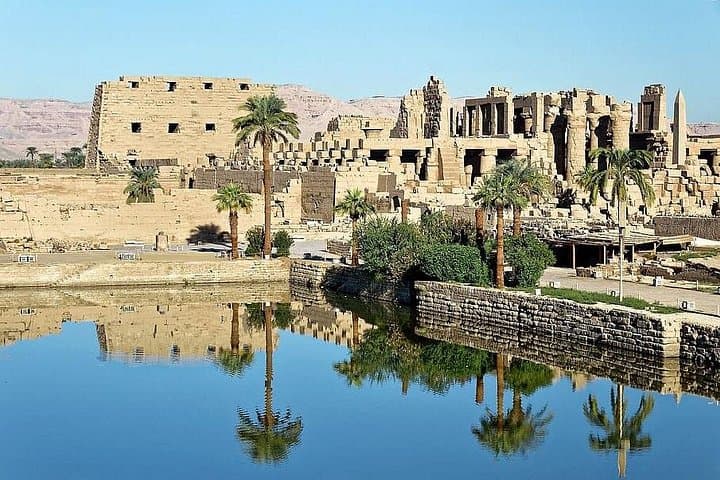
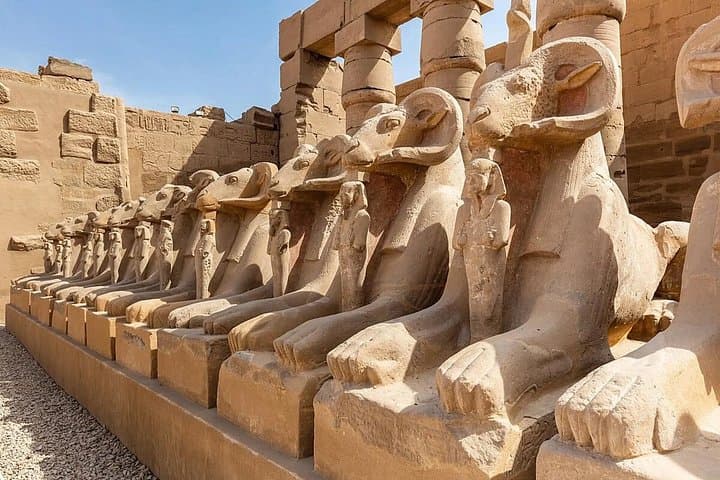
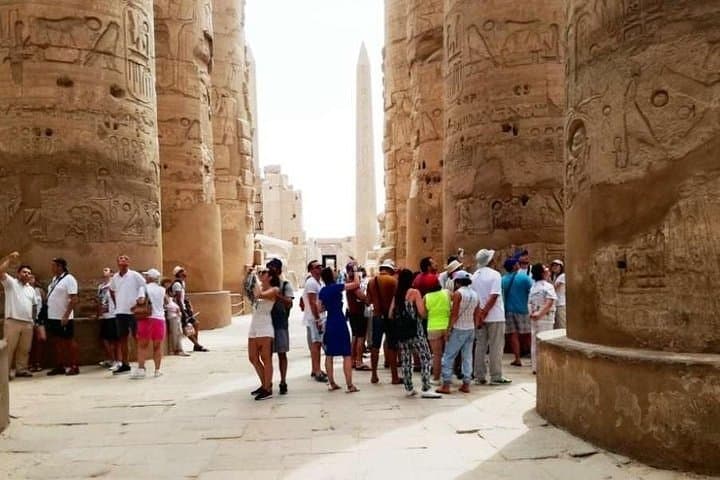
Over the next two days the tour threads the living city and the older sacred landscape: Karnak’s hypostyle hall where columns crowd like an urban forest; Luxor Temple’s avenue of sphinxes that once linked the two banks for festival processions; and north along the Nile to Dendera, where the Temple of Hathor preserves late-pharaonic reliefs and a rare intact roof shrine.
Geology and culture blend here — the Theban hills provided rock for royal tombs, while the Nile’s floodplain supported cities for millennia. Local guides bring those facts to life with stories of deities, mortuary rites and Roman-era additions.
Practical edge: expect long days on paved and packed-earth surfaces, strong sun and limited shade. Entry fees to monuments are typically separate from the tour price; bring cash for tickets and tips. Dress modestly for temple visits, carry at least 1–2 liters of water per day, and plan early starts to avoid midday heat. The itinerary is accessible for most travelers but includes walking on uneven surfaces and stairs in tombs — comfortable shoes and a sun hat make the difference between a tiring day and an immersive one.
easy.
3 days.
Suitable for most travelers with basic mobility; expect multiple hours of walking each day and some stairs in tombs.
No—admission to Egyptian monuments is usually paid separately on site; your guide will advise which tickets to buy each day.
Yes—this private tour includes pickup and drop-off from Luxor hotels or Nile cruise vessels as organized at booking.
The operator lists wheelchair-accessible transport and services, but some tombs and temple areas have stairs and uneven ground—check specific site access with the guide.
Modest, lightweight clothing that covers shoulders and knees is appropriate; comfortable walking clothes and sun protection are recommended.
Luxor sits on ancient Thebes, capital to Egypt’s New Kingdom pharaohs; Dendera’s Temple of Hathor is a late-pharaonic complex dedicated to the goddess of music and femininity.
Sites are sensitive to foot traffic and humidity—follow guide directions, avoid touching reliefs, and use refillable bottles to reduce waste.
Book Your Tours operates guided outdoor trips and adventures with an emphasis on safety, stewardship, and memorable experiences.
You step out into the dry morning air as the Nile pushes its slow current past Luxor, the river daring you to keep pace. On day one the west bank’s pale limestone scarps rise like pages in a history book — narrow tomb corridors, painted chambers and the hush of the Valley of the Kings. By dusk the Colossi of Memnon stand watch, two sleeping giants caught between shadow and sandstone.
You step out into the dry morning air as the Nile pushes its slow current past Luxor, the river daring you to keep pace. On day one the west bank’s pale limestone scarps rise like pages in a history book — narrow tomb corridors, painted chambers and the hush of the Valley of the Kings. By dusk the Colossi of Memnon stand watch, two sleeping giants caught between shadow and sandstone.
Over the next two days the tour threads the living city and the older sacred landscape: Karnak’s hypostyle hall where columns crowd like an urban forest; Luxor Temple’s avenue of sphinxes that once linked the two banks for festival processions; and north along the Nile to Dendera, where the Temple of Hathor preserves late-pharaonic reliefs and a rare intact roof shrine.
Geology and culture blend here — the Theban hills provided rock for royal tombs, while the Nile’s floodplain supported cities for millennia. Local guides bring those facts to life with stories of deities, mortuary rites and Roman-era additions.
Practical edge: expect long days on paved and packed-earth surfaces, strong sun and limited shade. Entry fees to monuments are typically separate from the tour price; bring cash for tickets and tips. Dress modestly for temple visits, carry at least 1–2 liters of water per day, and plan early starts to avoid midday heat. The itinerary is accessible for most travelers but includes walking on uneven surfaces and stairs in tombs — comfortable shoes and a sun hat make the difference between a tiring day and an immersive one.