THE ADVENTURE COLLECTIVE® · Independent discovery and booking for outdoor travel

A strenuous 3-day trek across Lençóis Maranhenses, crossing dunes and crystalline lagoons while staying in remote hammock camps. Expect long sand travel days, seasonal lagoons, and authentic village visits.
A strenuous 3-day trek across Lençóis Maranhenses, crossing dunes and crystalline lagoons while staying in remote hammock camps. Expect long sand travel days, seasonal lagoons, and authentic village visits.
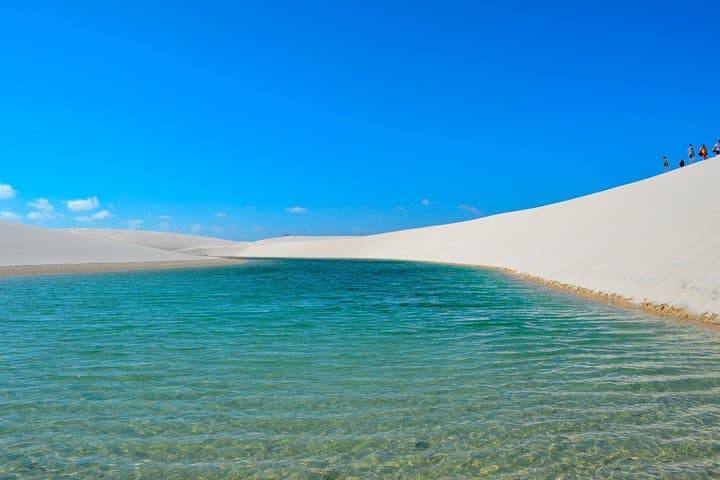
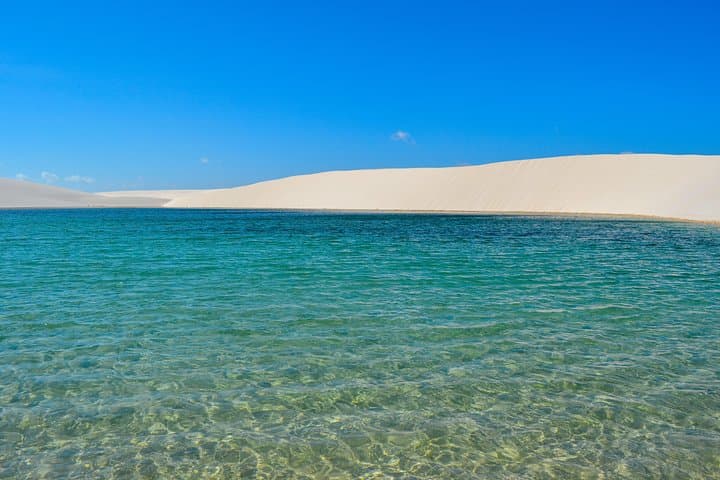
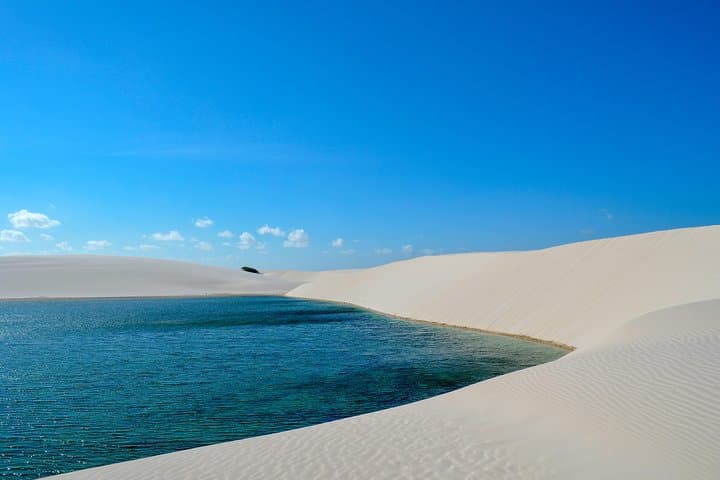
You descend from a wind-swept ridge and the desert opens into pockets of blue—crystalline lagoons cupped by dunes that shift with every gust. The sand underfoot feels warm and loose, the lagoons wink like oases, and distant palms mark tiny, timeworn villages where boat motors and voices punctuate the quiet.
Verified experiences and guided adventures in the surrounding area.
Operated by Receptivo Trilhatour · Barreirinhas, Maranhão
You descend from a wind-swept ridge and the desert opens into pockets of blue—crystalline lagoons cupped by dunes that shift with every gust. The sand underfoot feels warm and loose, the lagoons wink like oases, and distant palms mark tiny, timeworn villages where boat motors and voices punctuate the quiet.
This three-day, two-night trek moves from the river town of Barreirinhas into the heart of Lençóis Maranhenses, crossing 9–14 km sections of dune fields and lagoons each day. Geologically the park is recent: fluvial sands carried by rivers and shaped by Atlantic winds form the broad, rolling sheets that trap seasonal rainwater. Culturally you'll pass small riverside communities—fishing and subsistence farms where residents maintain an immemorial rhythm set by tide and rain.
Expect long stretches on soft sand rather than steep climbs; distances are tough because every step sinks. Nights are spent in simple redario hammock camps and rustic shelters in oasis clearings. Highlights include sunrise over Baixa Grande, the glassy curves of Lagoa do Cajueiro, and quiet swims in warm, clean lagoons.
Practically: travel with an experienced local guide, carry 3–4 liters of water, protect against sun and wind, and space your pace—walking on dunes is high-energy even without elevation. The route demands fitness and resilience, but rewards you with isolated landscapes and the rare sensation of moving through a living desert that fills and empties with the seasons.
challenging.
3 days.
Strong cardiovascular fitness and leg strength; regular hikers comfortable with long, sand-heavy days will do best
Expect 9–14 km of walking per day on soft sand; terrain is flat but energy-sapping, so allow 4–6 hours daily with frequent rests.
Yes—lagoons are generally clean and shallow at the edges, but check with your guide for depth and currents before entering.
Bring small cash for local purchases and tips; meals on the itinerary are included but snacks and personal items should be carried.
Yes—local guides know safe crossing routes, seasonal lagoon conditions, and coordinate transport between river and dune sectors.
Lençóis Maranhenses became a national park in 1981; the landscape reflects riverine deposits shaped by coastal winds over recent millennia.
The dune-lagoon system is fragile—stick to established crossings, avoid leaving waste, and respect local freshwater sources to minimize impact.
Receptivo Trilhatour operates guided outdoor trips and adventures with an emphasis on safety, stewardship, and memorable experiences.
You descend from a wind-swept ridge and the desert opens into pockets of blue—crystalline lagoons cupped by dunes that shift with every gust. The sand underfoot feels warm and loose, the lagoons wink like oases, and distant palms mark tiny, timeworn villages where boat motors and voices punctuate the quiet.
You descend from a wind-swept ridge and the desert opens into pockets of blue—crystalline lagoons cupped by dunes that shift with every gust. The sand underfoot feels warm and loose, the lagoons wink like oases, and distant palms mark tiny, timeworn villages where boat motors and voices punctuate the quiet.
This three-day, two-night trek moves from the river town of Barreirinhas into the heart of Lençóis Maranhenses, crossing 9–14 km sections of dune fields and lagoons each day. Geologically the park is recent: fluvial sands carried by rivers and shaped by Atlantic winds form the broad, rolling sheets that trap seasonal rainwater. Culturally you'll pass small riverside communities—fishing and subsistence farms where residents maintain an immemorial rhythm set by tide and rain.
Expect long stretches on soft sand rather than steep climbs; distances are tough because every step sinks. Nights are spent in simple redario hammock camps and rustic shelters in oasis clearings. Highlights include sunrise over Baixa Grande, the glassy curves of Lagoa do Cajueiro, and quiet swims in warm, clean lagoons.
Practically: travel with an experienced local guide, carry 3–4 liters of water, protect against sun and wind, and space your pace—walking on dunes is high-energy even without elevation. The route demands fitness and resilience, but rewards you with isolated landscapes and the rare sensation of moving through a living desert that fills and empties with the seasons.