THE ADVENTURE COLLECTIVE® · Independent discovery and booking for outdoor travel

A tightly paced three-day circuit from Beirut that pairs the subterranean drama of Jeita Grotto with coastal Byblos, the monumental Roman temples at Baalbek and a hop-on hop-off tour of Beirut. Practical, historic and sensory—ideal for first-time visitors.
A tightly paced three-day circuit from Beirut that pairs the subterranean drama of Jeita Grotto with coastal Byblos, the monumental Roman temples at Baalbek and a hop-on hop-off tour of Beirut. Practical, historic and sensory—ideal for first-time visitors.
You step off the coach and the Mediterranean breeze pushes a salt-bright line across your face—Beirut recedes and limestone cliffs take over. On day one the Jeita Grotto’s caverns swallow sound and a slow boat carries you past stalactites that seem to grow from the ceiling like stone chandeliers. Later, the Harissa cable car climbs, the bay spreading beneath you like a folded map, and Byblos’ seawall and old souks lay out centuries of trade and craft along the shoreline.
Verified experiences and guided adventures in the surrounding area.
Operated by Private & group tours to Baalbeck temples & Chateau Ksara winery · Beirut, Beirut
You step off the coach and the Mediterranean breeze pushes a salt-bright line across your face—Beirut recedes and limestone cliffs take over. On day one the Jeita Grotto’s caverns swallow sound and a slow boat carries you past stalactites that seem to grow from the ceiling like stone chandeliers. Later, the Harissa cable car climbs, the bay spreading beneath you like a folded map, and Byblos’ seawall and old souks lay out centuries of trade and craft along the shoreline.
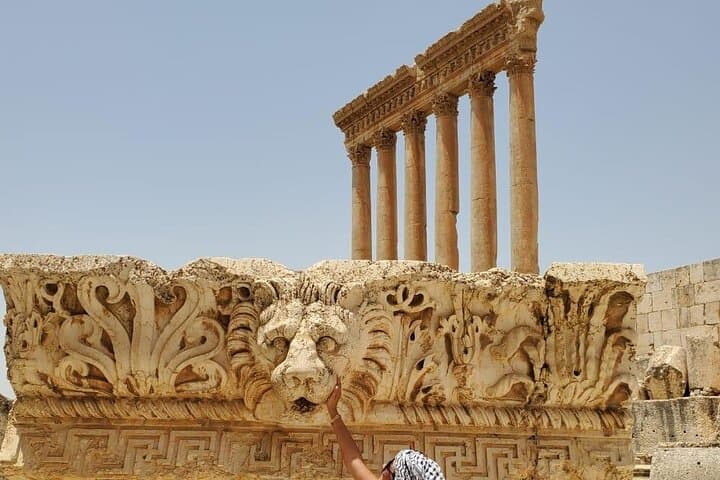
This compact three-day loop threads through Lebanon’s layered history: Phoenician ports at Byblos, Roman marble and columns at Baalbek, Crusader-era churches in Beirut, and the winemaking legacy at Château Ksara carved into shale and caverns. Geology is constant—the coast’s limestone karst yields caves; inland, the Bekaa Valley’s fertile alluvium feeds vineyards that have sustained communities for millennia. Cultural life pulses in simple details: mezze served family-style, mosque and church domes sharing the skyline, and markets where merchants still polish olive wood.
Practical guidance: expect light walking with uneven surfaces and short stair sections at archaeological sites; comfortable shoes and sun protection are essential. The tour includes hotel pickup, two lunches, admissions, and multilingual guiding, but bring small cash for souvenirs and optional extras. Timed right, mornings avoid the crowds at Jeita and Baalbek; afternoons are ideal for coastal light and winery tastings. This itinerary gives a concentrated, accessible view of Lebanon’s past and present—compact, varied, and rich in sensory detail.
easy.
3 days (approx. 72 hours).
Suitable for travelers in average fitness—requires standing, short walks, and climbing stairs at sites.
Yes—two lunches and most site admissions listed in the itinerary (Jeita, Baalbek, Ksara, two museums and the hop-on hop-off tickets) are included.
Yes—the tour includes hotel pickup and drop-off in Beirut according to the booking’s selected pickup point.
Many transportation options and some sites offer accessibility, but certain ruins and cave areas have stairs and uneven terrain—contact the operator to confirm specifics for mobility needs.
Expect short to moderate walks at each stop (cave boardwalks, archaeological terraces, souk lanes); the tour is rated easy and suitable for most travelers.
This route traces continuous human settlement from Phoenician seafaring hubs in Byblos through Roman imperial architecture in Baalbek to modern Beirut’s cultural mix.
Many sites balance visitor access with preservation—stay on marked paths, avoid touching fragile stone, and support local guides who contribute to site stewardship.
Private & group tours to Baalbeck temples & Chateau Ksara winery operates guided outdoor trips and adventures with an emphasis on safety, stewardship, and memorable experiences.
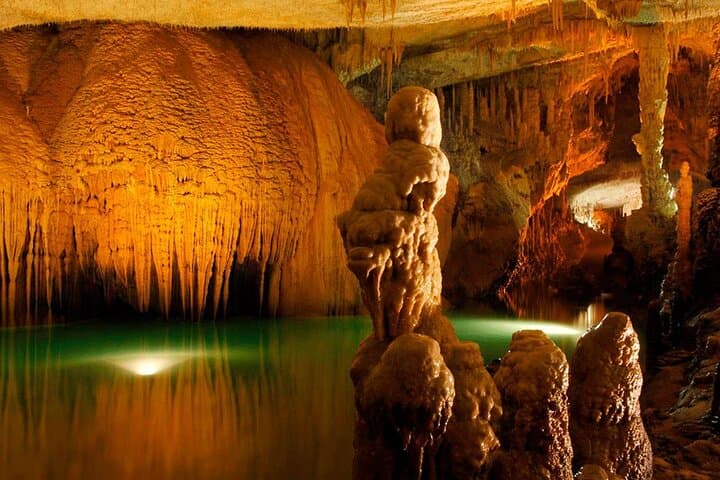
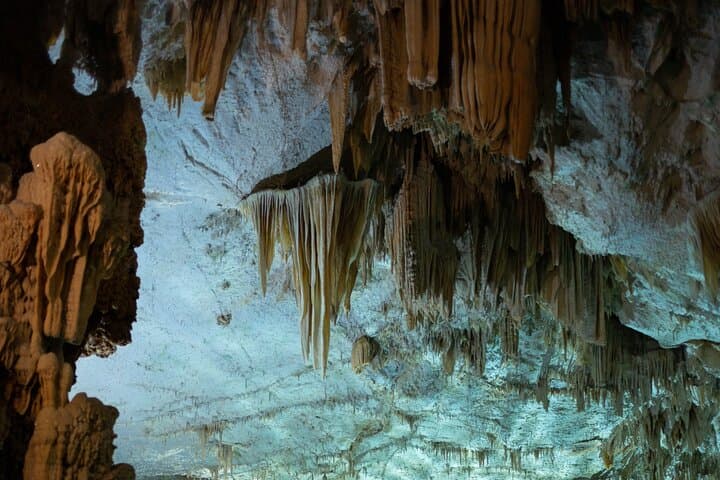
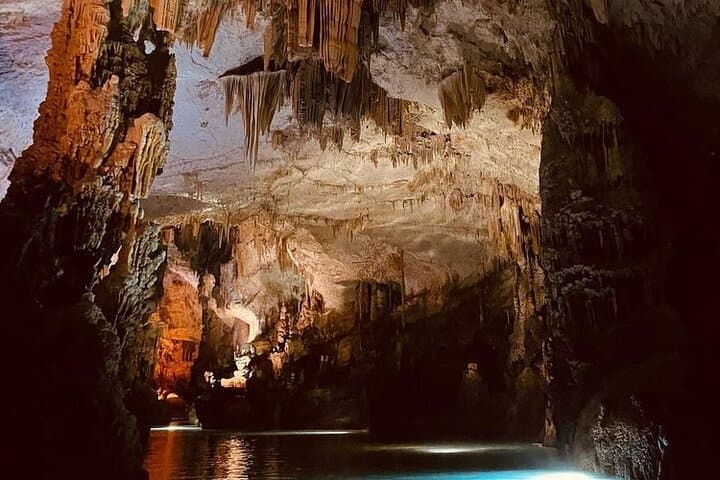
You step off the coach and the Mediterranean breeze pushes a salt-bright line across your face—Beirut recedes and limestone cliffs take over. On day one the Jeita Grotto’s caverns swallow sound and a slow boat carries you past stalactites that seem to grow from the ceiling like stone chandeliers. Later, the Harissa cable car climbs, the bay spreading beneath you like a folded map, and Byblos’ seawall and old souks lay out centuries of trade and craft along the shoreline.
You step off the coach and the Mediterranean breeze pushes a salt-bright line across your face—Beirut recedes and limestone cliffs take over. On day one the Jeita Grotto’s caverns swallow sound and a slow boat carries you past stalactites that seem to grow from the ceiling like stone chandeliers. Later, the Harissa cable car climbs, the bay spreading beneath you like a folded map, and Byblos’ seawall and old souks lay out centuries of trade and craft along the shoreline.
This compact three-day loop threads through Lebanon’s layered history: Phoenician ports at Byblos, Roman marble and columns at Baalbek, Crusader-era churches in Beirut, and the winemaking legacy at Château Ksara carved into shale and caverns. Geology is constant—the coast’s limestone karst yields caves; inland, the Bekaa Valley’s fertile alluvium feeds vineyards that have sustained communities for millennia. Cultural life pulses in simple details: mezze served family-style, mosque and church domes sharing the skyline, and markets where merchants still polish olive wood.
Practical guidance: expect light walking with uneven surfaces and short stair sections at archaeological sites; comfortable shoes and sun protection are essential. The tour includes hotel pickup, two lunches, admissions, and multilingual guiding, but bring small cash for souvenirs and optional extras. Timed right, mornings avoid the crowds at Jeita and Baalbek; afternoons are ideal for coastal light and winery tastings. This itinerary gives a concentrated, accessible view of Lebanon’s past and present—compact, varied, and rich in sensory detail.