THE ADVENTURE COLLECTIVE® · Independent discovery and booking for outdoor travel

A compact, three-day road loop from Las Vegas that stitches together Zion, Bryce, Arches, Monument Valley, Antelope Canyon, Horseshoe Bend and Lake Powell. Expect long driving days, short interpretive hikes, Navajo-guided slot canyon entry, and unforgettable light for photographers.
A compact, three-day road loop from Las Vegas that stitches together Zion, Bryce, Arches, Monument Valley, Antelope Canyon, Horseshoe Bend and Lake Powell. Expect long driving days, short interpretive hikes, Navajo-guided slot canyon entry, and unforgettable light for photographers.
You step into the van in Las Vegas before dawn—Nappa leather seats, a low hum of diesel, and a guide with a soft map of the desert in their head. The highway pulls you away from the neon into a landscape that grows larger and quieter: escarpments, sagebrush flats, and the first red glow on sandstone that will define each day.
Verified experiences and guided adventures in the surrounding area.
Operated by VIPTOUR · Las Vegas, Nevada
You step into the van in Las Vegas before dawn—Nappa leather seats, a low hum of diesel, and a guide with a soft map of the desert in their head. The highway pulls you away from the neon into a landscape that grows larger and quieter: escarpments, sagebrush flats, and the first red glow on sandstone that will define each day.
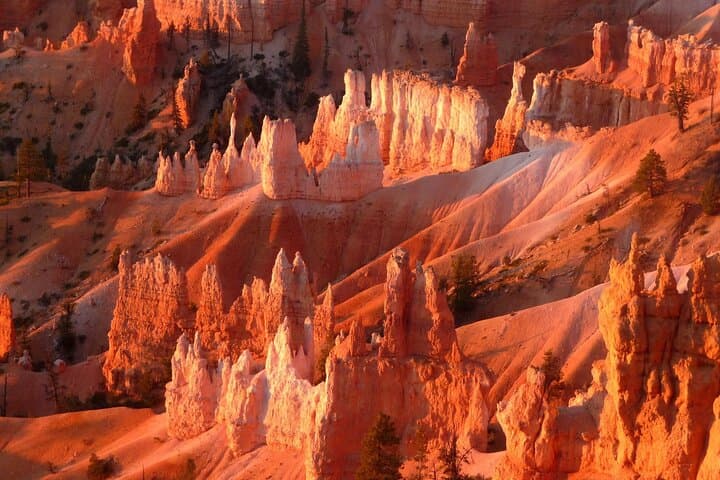
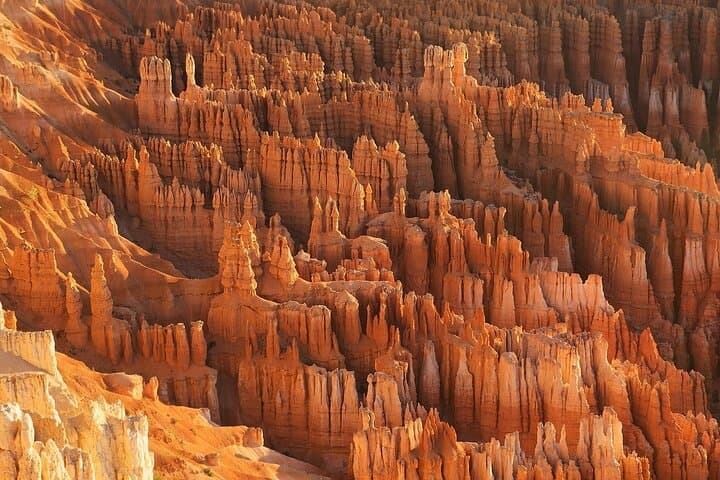
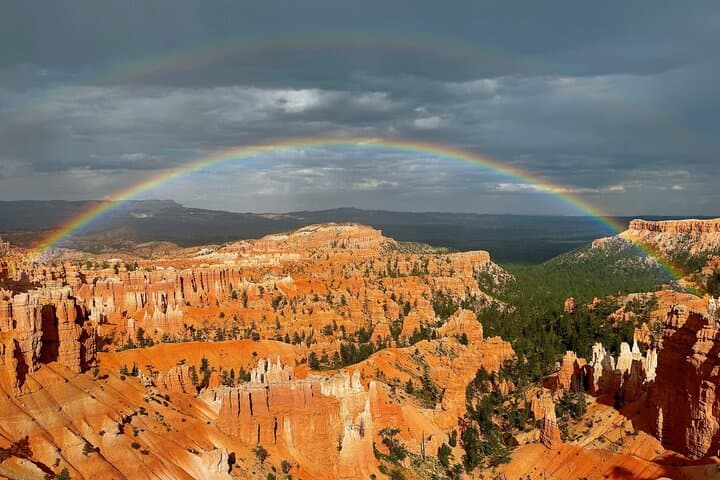
Day one moves fast. Zion’s sheer canyon walls pull sunlight into narrow slabs that feel almost tactile; two hours here is enough for a brisk rim stroll or a short canyon trail, but the park’s verticality leaves an impression long after the van pulls out. Bryce arrives next: an amphitheater of hoodoos at 8,000 feet where thin air sharpens the light and every step along the rim reveals new angles and color bands carved by frost and time.
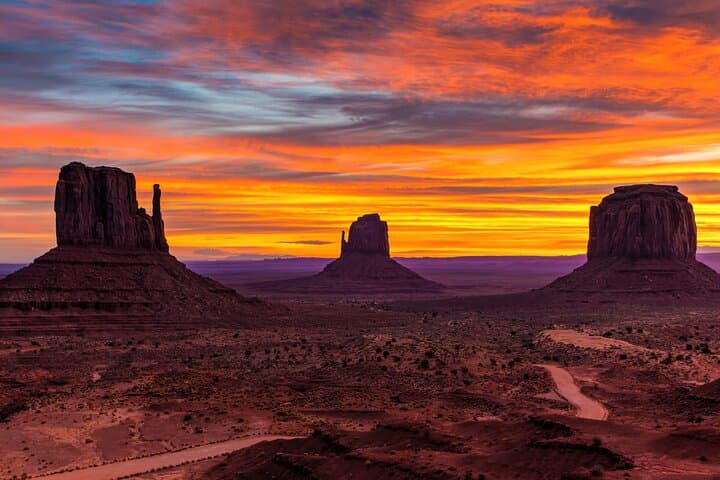
The second day is a study in sculpted stone—Arches’ wind-carved openings and soaring fins, then Monument Valley’s cinematic buttes, whose quiet gravity tells a longer human story. Guides share Navajo perspectives at Monument and, the next morning, a licensed Navajo guide leads you into Lower Antelope Canyon—narrow passages, smooth, flowing walls, and shafts of light that animate suspended dust. Horseshoe Bend is a late-day postcard: a 1.5-mile roundtrip walk to a rim that drops roughly 1,000 feet to the Colorado River’s green loop.
Geology here is simple and relentless: uplifted layers of sandstone, followed by erosion—wind, water, freeze-thaw—carving arches, hoodoos, and slot canyons. Culturally, much of this ground is Navajo Nation or ancestral Puebloan land; local guides and permit fees are part of respecting that history.
Practically: this is a road-heavy, short-hike tour—expect about 900–1,000 miles of driving over three days with multiple short walks (15 minutes to two hours). Elevation varies from roughly 3,000 feet in Page to over 8,000 feet at Bryce—those unused to altitude should move deliberately, hydrate, and avoid heavy exertion on arrival. Antelope Canyon requires narrow-space mobility and steady footing on sand and steps; flash floods are a real hazard in monsoon season, so operators schedule guided windows accordingly.
The trip’s comforts—Starlink Wi‑Fi, bottled water, light snacks, binoculars, bilingual guides, and two nights of hotel—mean you spend more time looking and less time logistics-managing. For photographers, golden hours at Bryce and Monument Valley are non-negotiable; for everyone else, the practical edge is simple: layers for sharp temperature swings, sun protection, and a daypack for water, snacks, and camera gear.
By the time the Hoover Dam slips by on the return loop, the desert has stopped being a backdrop and started to feel like a lived-in geography—harsh, storied, and quietly insistive. This three-day circuit is less about conquering trails than about moving through a landscape that keeps revealing itself, one canyon and one curve at a time.
moderate.
3 days (approx. 72 hours).
Moderately active travelers who can handle multiple short hikes (15–120 minutes) and long vehicle days; be prepared for altitude changes.
Yes—this tour includes admission fees for the listed parks and the Lower Antelope Canyon Navajo-guided entry as part of the package.
Expect approximately 900–1,000 miles roundtrip from Las Vegas across three days; long driving stretches are broken up with guided stops and short walks.
The tour accommodates many ages but Antelope Canyon has narrow sections and some stairs; travellers with serious mobility issues should consult the operator before booking.
Golden hour—sunrise at Bryce and Monument Valley, morning shafts in Antelope Canyon, and late afternoon at Horseshoe Bend—produce the most dramatic light.
Summer monsoon season (typically July–September) raises flash flood risk in slot canyons; operators monitor conditions and may alter itineraries for safety.
Yes—pickup from central Las Vegas hotels is arranged; your exact pickup time will be confirmed by the guide one day in advance.
This corridor crosses Navajo Nation and lands used by ancestral Puebloans; many formations were and remain culturally significant, and local guides share Indigenous perspectives during visits.
Stick to trails to protect fragile desert soils and cryptobiotic crust; supporting Navajo-guided tours helps local economies and funds cultural-site stewardship.
VIPTOUR operates guided outdoor trips and adventures with an emphasis on safety, stewardship, and memorable experiences.
You step into the van in Las Vegas before dawn—Nappa leather seats, a low hum of diesel, and a guide with a soft map of the desert in their head. The highway pulls you away from the neon into a landscape that grows larger and quieter: escarpments, sagebrush flats, and the first red glow on sandstone that will define each day.
You step into the van in Las Vegas before dawn—Nappa leather seats, a low hum of diesel, and a guide with a soft map of the desert in their head. The highway pulls you away from the neon into a landscape that grows larger and quieter: escarpments, sagebrush flats, and the first red glow on sandstone that will define each day.
Day one moves fast. Zion’s sheer canyon walls pull sunlight into narrow slabs that feel almost tactile; two hours here is enough for a brisk rim stroll or a short canyon trail, but the park’s verticality leaves an impression long after the van pulls out. Bryce arrives next: an amphitheater of hoodoos at 8,000 feet where thin air sharpens the light and every step along the rim reveals new angles and color bands carved by frost and time.
The second day is a study in sculpted stone—Arches’ wind-carved openings and soaring fins, then Monument Valley’s cinematic buttes, whose quiet gravity tells a longer human story. Guides share Navajo perspectives at Monument and, the next morning, a licensed Navajo guide leads you into Lower Antelope Canyon—narrow passages, smooth, flowing walls, and shafts of light that animate suspended dust. Horseshoe Bend is a late-day postcard: a 1.5-mile roundtrip walk to a rim that drops roughly 1,000 feet to the Colorado River’s green loop.
Geology here is simple and relentless: uplifted layers of sandstone, followed by erosion—wind, water, freeze-thaw—carving arches, hoodoos, and slot canyons. Culturally, much of this ground is Navajo Nation or ancestral Puebloan land; local guides and permit fees are part of respecting that history.
Practically: this is a road-heavy, short-hike tour—expect about 900–1,000 miles of driving over three days with multiple short walks (15 minutes to two hours). Elevation varies from roughly 3,000 feet in Page to over 8,000 feet at Bryce—those unused to altitude should move deliberately, hydrate, and avoid heavy exertion on arrival. Antelope Canyon requires narrow-space mobility and steady footing on sand and steps; flash floods are a real hazard in monsoon season, so operators schedule guided windows accordingly.
The trip’s comforts—Starlink Wi‑Fi, bottled water, light snacks, binoculars, bilingual guides, and two nights of hotel—mean you spend more time looking and less time logistics-managing. For photographers, golden hours at Bryce and Monument Valley are non-negotiable; for everyone else, the practical edge is simple: layers for sharp temperature swings, sun protection, and a daypack for water, snacks, and camera gear.
By the time the Hoover Dam slips by on the return loop, the desert has stopped being a backdrop and started to feel like a lived-in geography—harsh, storied, and quietly insistive. This three-day circuit is less about conquering trails than about moving through a landscape that keeps revealing itself, one canyon and one curve at a time.