THE ADVENTURE COLLECTIVE® · Independent discovery and booking for outdoor travel

Swap the city for three days of Byzantine ruins, coastal caves and fortress-like Mani villages. This private Laconia tour blends history, geology and local food with flexible pacing and guide-driven access.
Swap the city for three days of Byzantine ruins, coastal caves and fortress-like Mani villages. This private Laconia tour blends history, geology and local food with flexible pacing and guide-driven access.
The road opens up at the Corinth Canal, concrete walls dropping to turquoise water while the driver eases the vehicle onto the coastal spine that will carry you deep into Laconia.
Verified experiences and guided adventures in the surrounding area.
Operated by GREECE TAXI · Sparta, Laconia (Peloponnese)
The road opens up at the Corinth Canal, concrete walls dropping to turquoise water while the driver eases the vehicle onto the coastal spine that will carry you deep into Laconia.
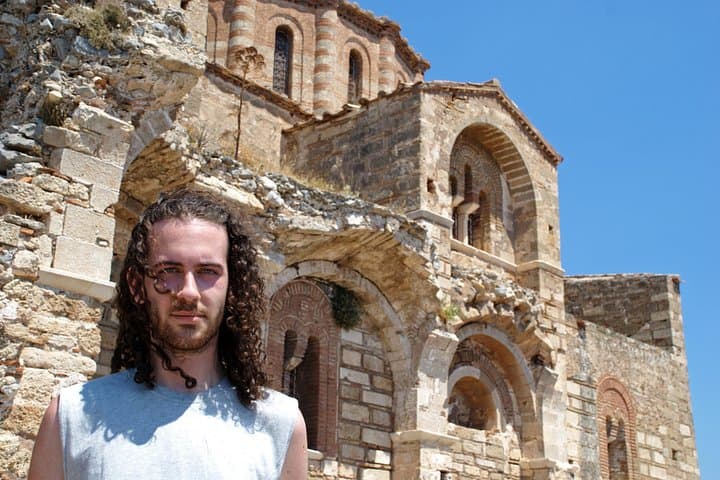
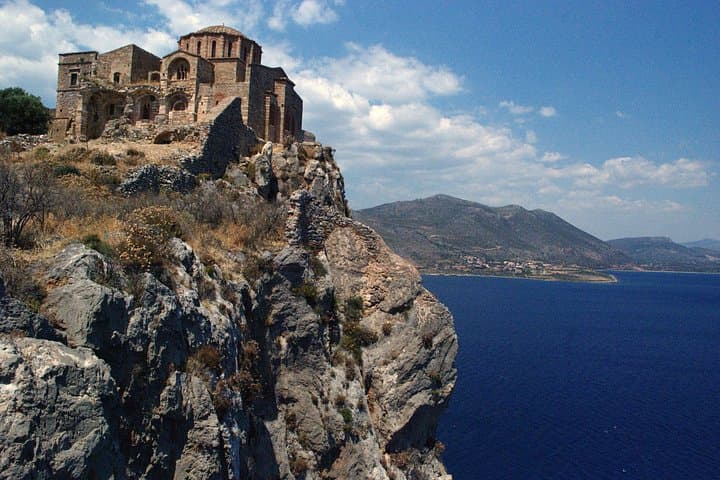
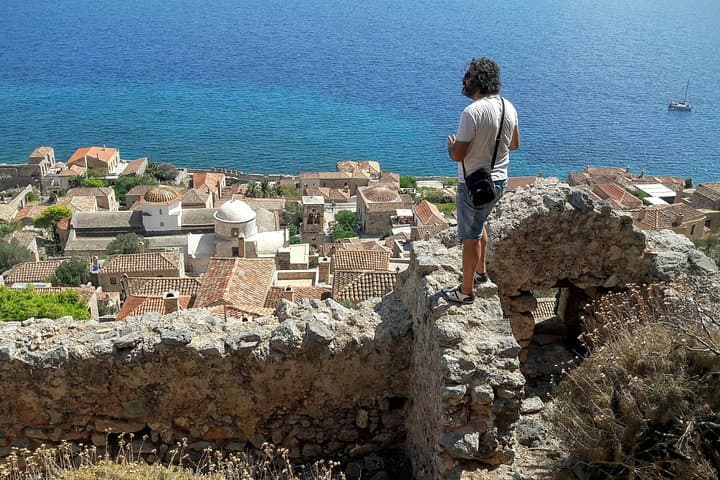
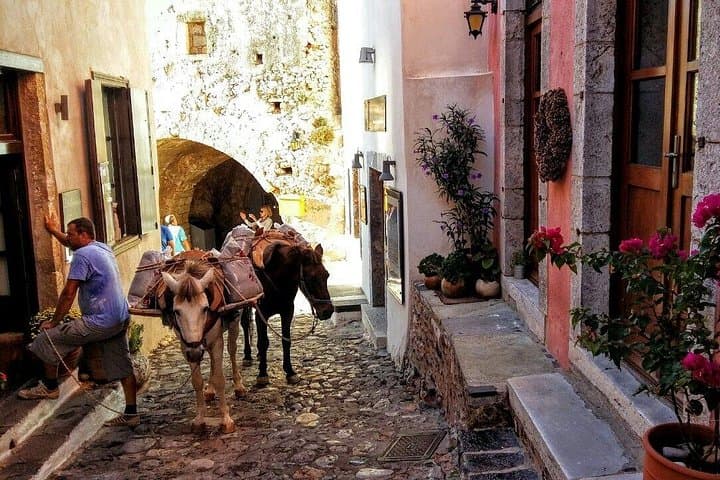
Over three days you trade Athens’ bustle for narrow stone streets, fortified tower houses, and the hush of caves lit only by a guide’s torch. In Mystras you climb past Byzantine churches clinging to a slopeside amphitheater of ruins; the Taygetus and Parnon ranges shoulder the route, reaching 1,800 m and punctuating the drive with pine-scented passes. Mani's stone towers and the ghost village of Vathia make clear why families once lived as mobile fortresses; Monemvasia's walled plateau sits 100 m above the sea, accessed by a 200 m causeway and best seen at sunset.
Geology matters here: karst limestone carves the Diros Caves into boatable tunnels and glittering stalactites, while the coastline's coves were shaped by tectonic uplift and marine erosion. Culture is equally tangible — Sparta’s austere classical legacy sits beside Byzantine Mystras and Ottoman layers in village architecture, and foodways remain local: olive oil, robust red wines, and tavern fare that favors lamb and slow-cooked vegetables.
Practical guide: expect long driving days interspersed with short walks on uneven stone, bring layered clothing for variable mountain-to-coast temperatures, and carry cash for smaller museums or village shops. Book museums and cave boat trips in advance where possible, and plan swims at Porto Kagio or Selinitsa between site visits to reset after sightseeing.
moderate.
3 days.
Suitable for travelers who can handle multiple hours of walking on uneven ground and several long driving transfers; comfortable sitting for long stretches.
Entrance fees (e.g., Mystras, Diros cave boat) are typically not included—plan for onsite payment or book tickets in advance when possible.
The driver is an experienced English-speaking tour leader but not a licensed archaeologist; you can arrange an archaeologist guide ahead for site tours.
Expect short to moderate walks at each stop—30–120 minutes at ruins or caves, on uneven stone and sometimes steep paths.
Yes. The tour is private and flexible—drivers can stop for photos, swims or extra time at sites based on group preference.
Mystras rose as a Byzantine citadel in the 13th century and later shaped regional culture; Monemvasia was a medieval maritime center whose walled town still preserves Byzantine churches and fortifications.
Beaches like Selinitsa are protected for turtle nesting—follow local guidance and avoid disturbing marked areas; inside caves and ruins avoid touching formations and use licensed guides to reduce impact.
GREECE TAXI operates guided outdoor trips and adventures with an emphasis on safety, stewardship, and memorable experiences.
The road opens up at the Corinth Canal, concrete walls dropping to turquoise water while the driver eases the vehicle onto the coastal spine that will carry you deep into Laconia.
The road opens up at the Corinth Canal, concrete walls dropping to turquoise water while the driver eases the vehicle onto the coastal spine that will carry you deep into Laconia.
Over three days you trade Athens’ bustle for narrow stone streets, fortified tower houses, and the hush of caves lit only by a guide’s torch. In Mystras you climb past Byzantine churches clinging to a slopeside amphitheater of ruins; the Taygetus and Parnon ranges shoulder the route, reaching 1,800 m and punctuating the drive with pine-scented passes. Mani's stone towers and the ghost village of Vathia make clear why families once lived as mobile fortresses; Monemvasia's walled plateau sits 100 m above the sea, accessed by a 200 m causeway and best seen at sunset.
Geology matters here: karst limestone carves the Diros Caves into boatable tunnels and glittering stalactites, while the coastline's coves were shaped by tectonic uplift and marine erosion. Culture is equally tangible — Sparta’s austere classical legacy sits beside Byzantine Mystras and Ottoman layers in village architecture, and foodways remain local: olive oil, robust red wines, and tavern fare that favors lamb and slow-cooked vegetables.
Practical guide: expect long driving days interspersed with short walks on uneven stone, bring layered clothing for variable mountain-to-coast temperatures, and carry cash for smaller museums or village shops. Book museums and cave boat trips in advance where possible, and plan swims at Porto Kagio or Selinitsa between site visits to reset after sightseeing.