
3-Day La Guajira Desert Adventure: Punta Gallinas, Dunes & Wayuu Culture
Traverse Colombia’s northernmost point across salt ponds, sweeping dunes and Wayuu cultural sites. This three-day route combines coastal swims, desert hikes and evenings in traditional rancheria lodging.
An Adventure In Santa Marta.
Traverse Colombia’s northernmost point across salt ponds, sweeping dunes and Wayuu cultural sites. This three-day route combines coastal swims, desert hikes and evenings in traditional rancheria lodging.
Read the full experience
You wake before dawn in Santa Marta, the air cool against the bus windows as the coast falls away and the landscape dries into ochre and salt flats.
You wake before dawn in Santa Marta, the air cool against the bus windows as the coast falls away and the landscape dries into ochre and salt flats.
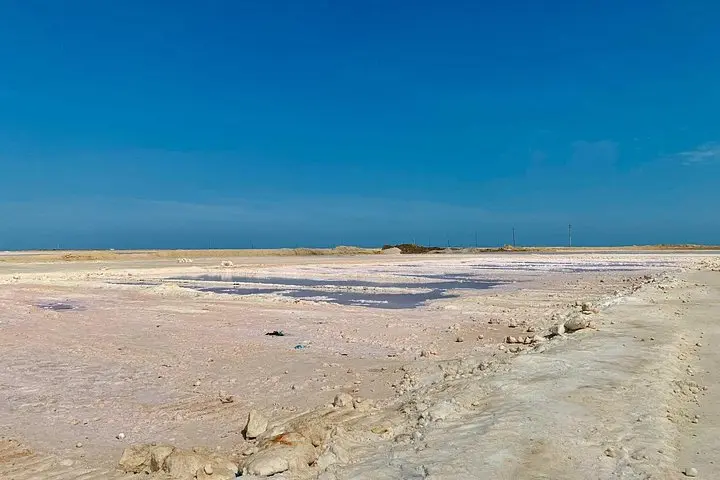
By midmorning you’re in Uribia, the Wayuu administrative heart, where low mud-brick homes and wind-sculpted shrubs frame a culture that’s persisted on these margins for centuries. Geologically this is Caribbean desert: wind-carved dunes, exposed sedimentary plains, and coastal salt pans where brine has been harvested since pre-Colombian times.
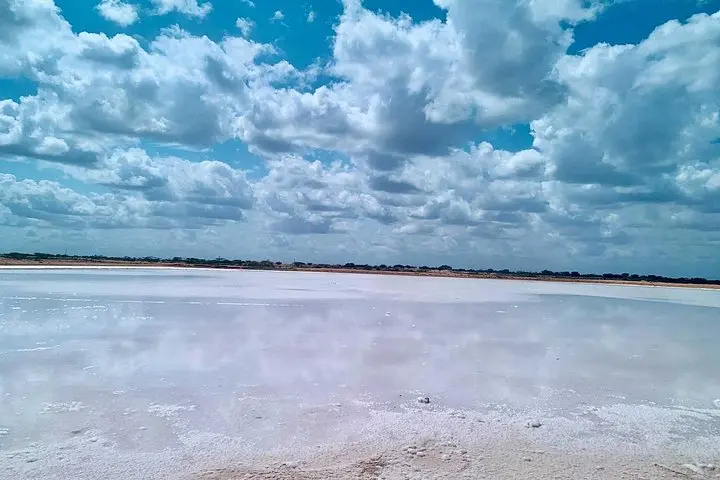
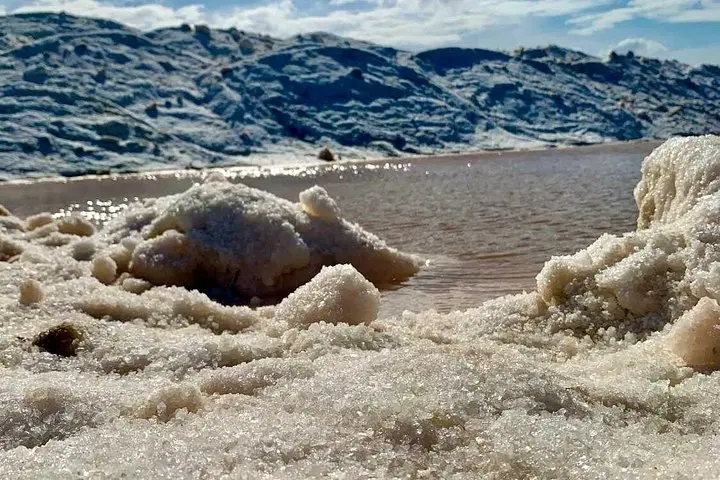
The itinerary moves fast—Manaure’s salt ponds offer a lesson in traditional extraction and an oddly restorative thalassotherapy; Cabo de la Vela presents the Pilón de Azúcar, a steep, sacred rock with panoramic views; and the Taroa dunes invite barefoot climbs and kinetic play as ocean breezes push sand toward the shore. Punta Gallinas, the northernmost promontory, finishes days with raw coastline, a squat lighthouse, and sunsets that flatten the horizon into a single burning plane.
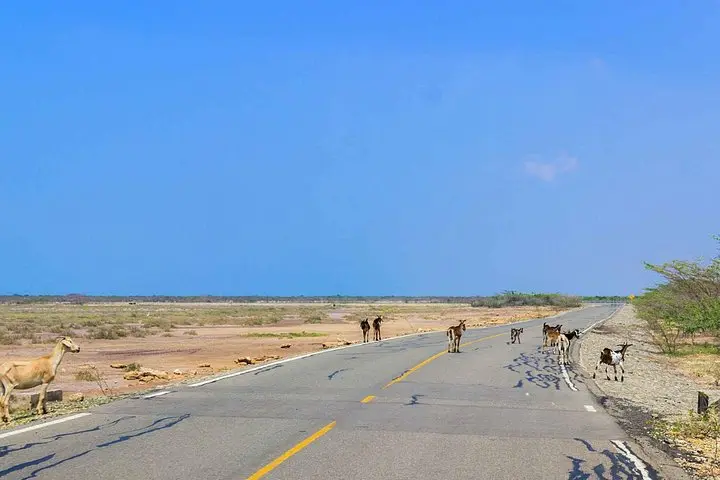
Culturally, the Wayuu are central: expect storytelling, explanations of matrilineal family structures, and local crafts. The trip is vehicle-heavy—long drives on unpaved roads punctuated by short hikes, swims, and village visits.
Practical guidance: bring ample water and sun protection, a sun hat and layers for windy evenings, sturdy sandals or light hiking shoes for dunes, and small cash for village purchases. Phone signal is intermittent; respect Wayuu customs and ask before photographing people. Pace yourself—this is an immersive, tactile landscape best experienced slowly between drives.
Frequently asked questions
Most walks are short (30–90 minutes) but include steep sand climbs; they’re moderate in exertion and suitable for people with basic fitness.
Yes, many bays are safe for swimming, but currents vary—listen to your guide and avoid remote spots alone.
Cell service is intermittent across La Guajira and ATMs are scarce outside major towns—bring cash and offline maps.
No permits are required for these public locations, but carry ID/passport details for booking and respect any access rules at sacred Wayuu sites.
About This Experience
BnB Colombia Tours operates guided outdoor trips and adventures with an emphasis on safety, stewardship, and memorable experiences.
Adventure tips
Recommended gear
- 3L hydration pack or water bottles: Essential for staying hydrated in the hot, dry environment between resupply points.
- Wide-brim sun hat and high-SPF sunscreen: Protects against intense equatorial sun and reflected glare from salt flats.
- Light hiking shoes or sturdy sandals: Provides traction on dunes and protection over rough, salty terrain.
- Light windproof layer and scarf: Evenings can be windy and cooler; a layer also shields from blowing sand.
Photos of the experience
Related adventures & guides
Read the full experience
You wake before dawn in Santa Marta, the air cool against the bus windows as the coast falls away and the landscape dries into ochre and salt flats.
You wake before dawn in Santa Marta, the air cool against the bus windows as the coast falls away and the landscape dries into ochre and salt flats.
By midmorning you’re in Uribia, the Wayuu administrative heart, where low mud-brick homes and wind-sculpted shrubs frame a culture that’s persisted on these margins for centuries. Geologically this is Caribbean desert: wind-carved dunes, exposed sedimentary plains, and coastal salt pans where brine has been harvested since pre-Colombian times.
The itinerary moves fast—Manaure’s salt ponds offer a lesson in traditional extraction and an oddly restorative thalassotherapy; Cabo de la Vela presents the Pilón de Azúcar, a steep, sacred rock with panoramic views; and the Taroa dunes invite barefoot climbs and kinetic play as ocean breezes push sand toward the shore. Punta Gallinas, the northernmost promontory, finishes days with raw coastline, a squat lighthouse, and sunsets that flatten the horizon into a single burning plane.
Culturally, the Wayuu are central: expect storytelling, explanations of matrilineal family structures, and local crafts. The trip is vehicle-heavy—long drives on unpaved roads punctuated by short hikes, swims, and village visits.
Practical guidance: bring ample water and sun protection, a sun hat and layers for windy evenings, sturdy sandals or light hiking shoes for dunes, and small cash for village purchases. Phone signal is intermittent; respect Wayuu customs and ask before photographing people. Pace yourself—this is an immersive, tactile landscape best experienced slowly between drives.
Make a day of it nearby.
Verified experiences and guided adventures in the surrounding area.