THE ADVENTURE COLLECTIVE® · Independent discovery and booking for outdoor travel

Cruise the Sekonyer River aboard a traditional klotok to visit feeding platforms and rehabilitation centers where wild orangutans, proboscis monkeys and endemic birds gather. This three-day houseboat trip combines gentle river travel, short rainforest walks and close wildlife viewing in Tanjung Puting National Park.
Cruise the Sekonyer River aboard a traditional klotok to visit feeding platforms and rehabilitation centers where wild orangutans, proboscis monkeys and endemic birds gather. This three-day houseboat trip combines gentle river travel, short rainforest walks and close wildlife viewing in Tanjung Puting National Park.
You step from Kumai’s dock onto a low-slung wooden klotok, the river pulling the boat into a corridor of dark water and leaning nipa palms. The motor’s steady thrum becomes a kind of compass as the Sekonyer River narrows and the air fills with bird calls and the distant rustle of great apes.
Verified experiences and guided adventures in the surrounding area.
Operated by lookorangutan · Pangkalan Bun, Central Kalimantan
You step from Kumai’s dock onto a low-slung wooden klotok, the river pulling the boat into a corridor of dark water and leaning nipa palms. The motor’s steady thrum becomes a kind of compass as the Sekonyer River narrows and the air fills with bird calls and the distant rustle of great apes.
Tanjung Puting National Park is a patchwork of peat swamp, mangrove fringe and lowland dipterocarp forest, made famous by primatologist Biruté Galdikas and the rehabilitation centers she helped establish at Camp Leakey and Pondok Tanggui. Geological layers of peat over alluvial deposits keep the landscape flat; trails are boardwalks and muddy loops rather than steep ascents, and wildlife moves at river- and canopy-pace.
The itinerary balances river cruising with short walks to feeding platforms—Tanjung Harapan, Pondok Tanggui and Camp Leakey—where habituated orangutans and proboscis monkeys come into view. Evenings are spent sleeping on simple mattresses under mosquito nets aboard the klotok, with waterborne transit between stops and a chance to watch fireflies gather among nipa palms.
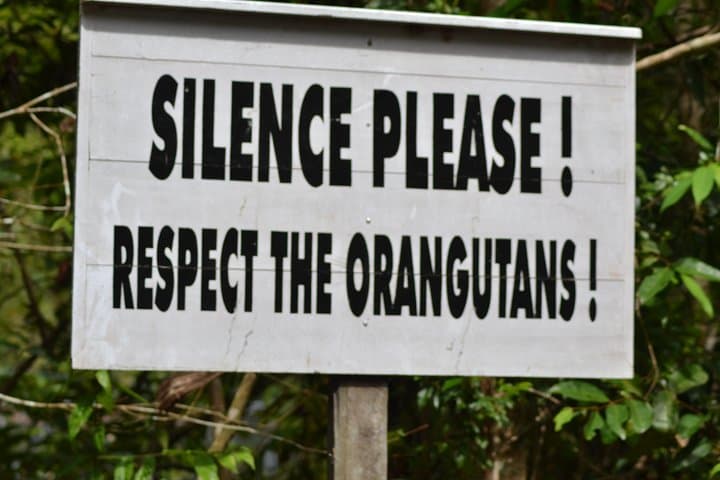
Practical guidance: pack strong insect repellent, quick-dry clothing and closed-toe shoes for muddy boardwalks; bring a small daypack for camera gear and water. Expect minimal elevation change, short guided walks (often under 2 km) and ranger-led briefings at feeding times. Respect ranger instructions at feeding stations, keep distance from wildlife and minimize plastic waste—these choices help protect fragile peat forests and the orangutans that rely on them.
moderate.
3 days.
Suitable for travelers with basic mobility; requires short walks (typically under 2 km) on flat, often muddy boardwalks and getting on/off the klotok.
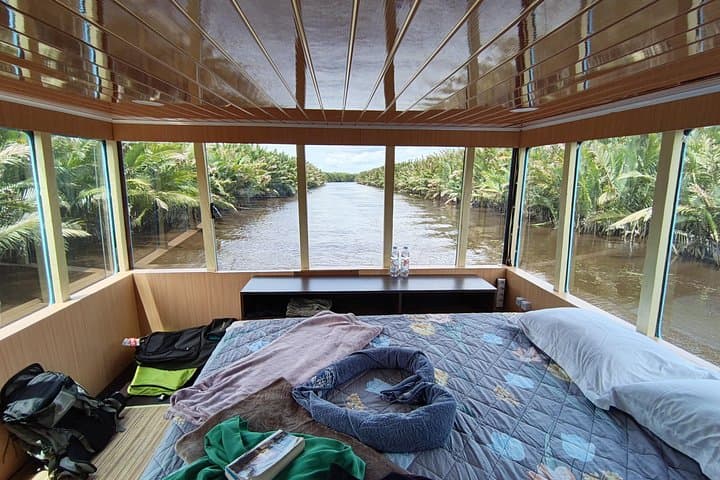
Cabin klotoks offer simple mattresses, pillows and mosquito nets; expect basic plumbing and shared facilities but comfortable meals and shelter.
Feeding stations increase the chance of sightings and guides operate on feeding schedules, but wildlife is never guaranteed—views are frequent but variable.
Yes—walks are short and the boat minimizes exertion, but consider mobility for boarding and unsteady surfaces; notify operators of special needs.
Most travellers fly to Pangkalan Bun (Iskandar Airport) then transfer by road to Kumai port where klotok boarding is arranged; transfers are typically included.
Tanjung Puting is a long-studied conservation landscape; rehabilitation centers like Camp Leakey were established in the 1970s to restore ex-captive orangutans to forest life.
Peat swamp forests here store large carbon stocks and are fire- and drainage-sensitive; low-impact river travel, reduced plastics and following ranger guidance help protect habitats.
lookorangutan operates guided outdoor trips and adventures with an emphasis on safety, stewardship, and memorable experiences.
You step from Kumai’s dock onto a low-slung wooden klotok, the river pulling the boat into a corridor of dark water and leaning nipa palms. The motor’s steady thrum becomes a kind of compass as the Sekonyer River narrows and the air fills with bird calls and the distant rustle of great apes.
You step from Kumai’s dock onto a low-slung wooden klotok, the river pulling the boat into a corridor of dark water and leaning nipa palms. The motor’s steady thrum becomes a kind of compass as the Sekonyer River narrows and the air fills with bird calls and the distant rustle of great apes.
Tanjung Puting National Park is a patchwork of peat swamp, mangrove fringe and lowland dipterocarp forest, made famous by primatologist Biruté Galdikas and the rehabilitation centers she helped establish at Camp Leakey and Pondok Tanggui. Geological layers of peat over alluvial deposits keep the landscape flat; trails are boardwalks and muddy loops rather than steep ascents, and wildlife moves at river- and canopy-pace.
The itinerary balances river cruising with short walks to feeding platforms—Tanjung Harapan, Pondok Tanggui and Camp Leakey—where habituated orangutans and proboscis monkeys come into view. Evenings are spent sleeping on simple mattresses under mosquito nets aboard the klotok, with waterborne transit between stops and a chance to watch fireflies gather among nipa palms.
Practical guidance: pack strong insect repellent, quick-dry clothing and closed-toe shoes for muddy boardwalks; bring a small daypack for camera gear and water. Expect minimal elevation change, short guided walks (often under 2 km) and ranger-led briefings at feeding times. Respect ranger instructions at feeding stations, keep distance from wildlife and minimize plastic waste—these choices help protect fragile peat forests and the orangutans that rely on them.