THE ADVENTURE COLLECTIVE® · Independent discovery and booking for outdoor travel

Spend three days in the reedbeds and reserve lands of Kis‑Balaton: guided bird trails, a buffalo conservation park and nights in a traditional Hungarian cottage with hot tub. Ideal for easy walking, wildlife viewing and cultural immersion.
Spend three days in the reedbeds and reserve lands of Kis‑Balaton: guided bird trails, a buffalo conservation park and nights in a traditional Hungarian cottage with hot tub. Ideal for easy walking, wildlife viewing and cultural immersion.
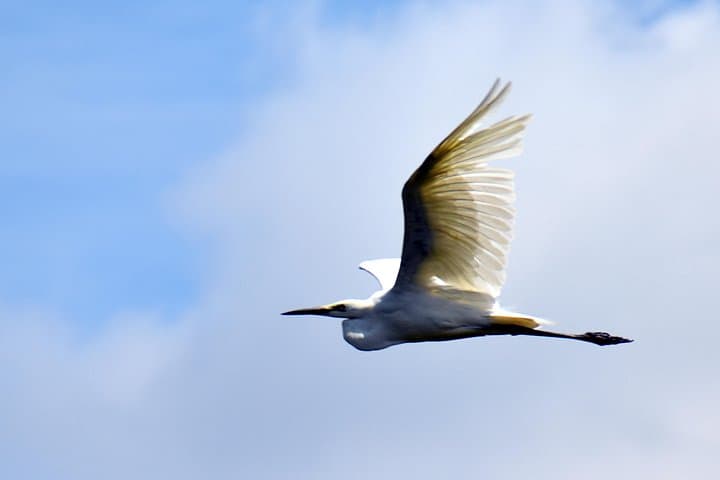
Walk out of the cottage yard at dawn and the reedbeds are already stirring: grebes slip through glassy channels, herons freeze like carved figures on the marsh edge, and the air smells faintly of wet earth and wood smoke from the farmhouse stove.
Verified experiences and guided adventures in the surrounding area.
Operated by Humtour Kalandozások Magyarországon · Vörs, Somogy County
Walk out of the cottage yard at dawn and the reedbeds are already stirring: grebes slip through glassy channels, herons freeze like carved figures on the marsh edge, and the air smells faintly of wet earth and wood smoke from the farmhouse stove.
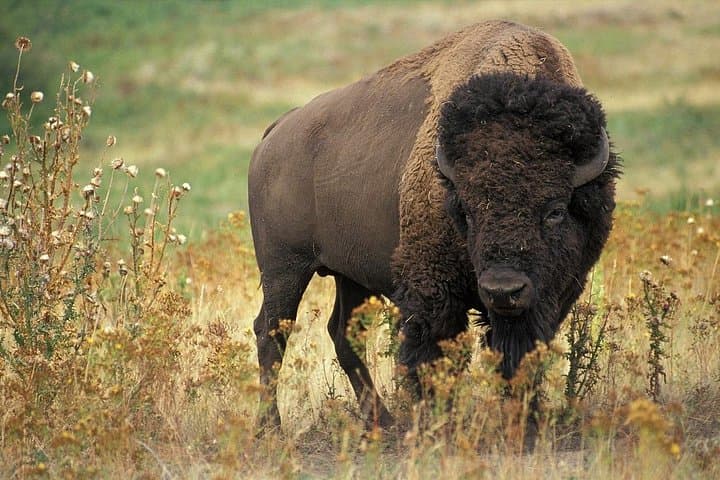
This three-day route threads the protected wetlands of Kis‑Balaton, part of the Balaton Uplands National Park. Geologically, the area is a shallow peat‑rich basin where alluvial sediments built islands and reed plains that became critical bird habitat; more than 110 species have been recorded here. Culturally the trip marries living conservation—visits to the Kápolnapuszta buffalo reserve and its small interpretive museum—with everyday rural heritage: the Vörs farmhouse preserves late‑18th to early‑19th‑century wetland life, from smoky kitchens to reed‑cutting tools.
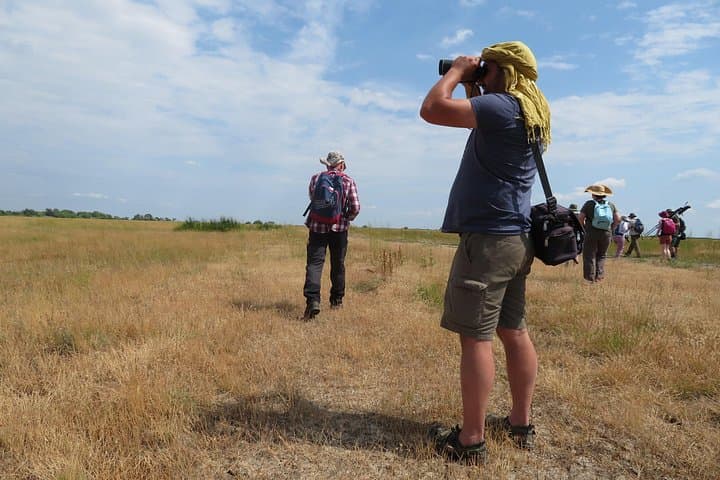
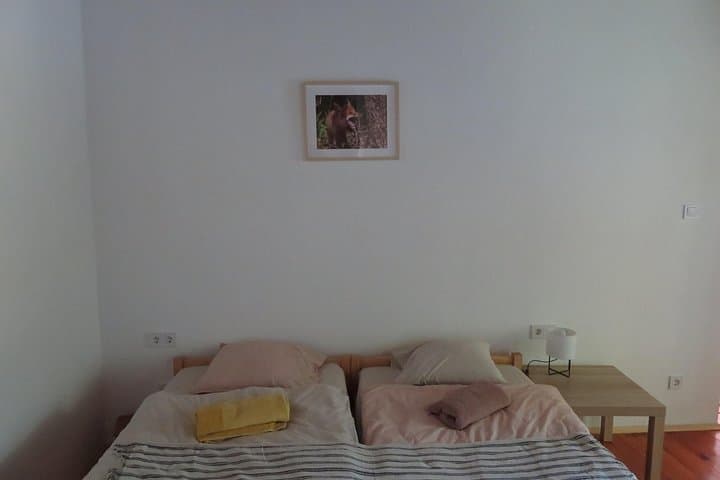
Expect gentle, low‑impact walking: the Kányavár island trail is roughly 2 km and takes 60–90 minutes; reserve and visitor‑centre stops add interpretive walks and viewpoints. Accommodation is a traditional cottage house with barn, BBQ and hot tub—ideal for cold evenings after fieldwork. Practical notes: bring binoculars, waterproof footwear for muddy boardwalks, and insect repellent for summer; keep voices low near nesting zones and follow guide directions at the buffalo paddocks. Thermal baths lie within a short drive (10–20 km) if you want to alternate birding with a soak.
This safari is best for travelers who want slow natural history, hands‑on cultural context and easy walking rather than strenuous hiking. The itinerary’s private‑tour format makes it suitable for photographers, families and small groups looking to pair wildlife viewing with authentic rural stays.
easy.
3 days.
Light fitness; suitable for people comfortable with 1–3 hours of easy walking per day and some standing at hides
The itinerary includes three overnights but does not specify full meal service—expect breakfasts or meals to be arranged locally or self-catered; check with the operator before arrival.
Service animals are allowed; dogs are also permitted on some walking paths but must be kept on leash—confirm specifics with guides.
The nearest regional hub is Keszthely; you can reach the area by regional train or car from Budapest (approx. 2–2.5 hours) with local transfers to the cottage.
Yes—routes are described as physically easy and stroller accessible in parts; the private tour format accommodates families and mixed‑age groups.
Kis‑Balaton’s wetlands were historically managed for reed, fish and grazing; the area’s conservation initiatives now protect both bird colonies and the native Hungarian buffalo genetic stock.
The buffalo reservation undertakes genetic conservation and public education; visitors should minimize disturbance by staying on paths, avoiding nest sites and following guide instructions.
Humtour Kalandozások Magyarországon operates guided outdoor trips and adventures with an emphasis on safety, stewardship, and memorable experiences.
Walk out of the cottage yard at dawn and the reedbeds are already stirring: grebes slip through glassy channels, herons freeze like carved figures on the marsh edge, and the air smells faintly of wet earth and wood smoke from the farmhouse stove.
Walk out of the cottage yard at dawn and the reedbeds are already stirring: grebes slip through glassy channels, herons freeze like carved figures on the marsh edge, and the air smells faintly of wet earth and wood smoke from the farmhouse stove.
This three-day route threads the protected wetlands of Kis‑Balaton, part of the Balaton Uplands National Park. Geologically, the area is a shallow peat‑rich basin where alluvial sediments built islands and reed plains that became critical bird habitat; more than 110 species have been recorded here. Culturally the trip marries living conservation—visits to the Kápolnapuszta buffalo reserve and its small interpretive museum—with everyday rural heritage: the Vörs farmhouse preserves late‑18th to early‑19th‑century wetland life, from smoky kitchens to reed‑cutting tools.
Expect gentle, low‑impact walking: the Kányavár island trail is roughly 2 km and takes 60–90 minutes; reserve and visitor‑centre stops add interpretive walks and viewpoints. Accommodation is a traditional cottage house with barn, BBQ and hot tub—ideal for cold evenings after fieldwork. Practical notes: bring binoculars, waterproof footwear for muddy boardwalks, and insect repellent for summer; keep voices low near nesting zones and follow guide directions at the buffalo paddocks. Thermal baths lie within a short drive (10–20 km) if you want to alternate birding with a soak.
This safari is best for travelers who want slow natural history, hands‑on cultural context and easy walking rather than strenuous hiking. The itinerary’s private‑tour format makes it suitable for photographers, families and small groups looking to pair wildlife viewing with authentic rural stays.