THE ADVENTURE COLLECTIVE® · Independent discovery and booking for outdoor travel

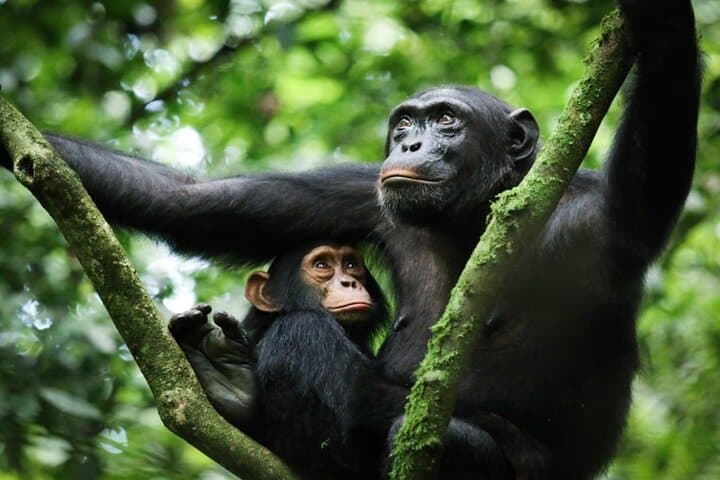
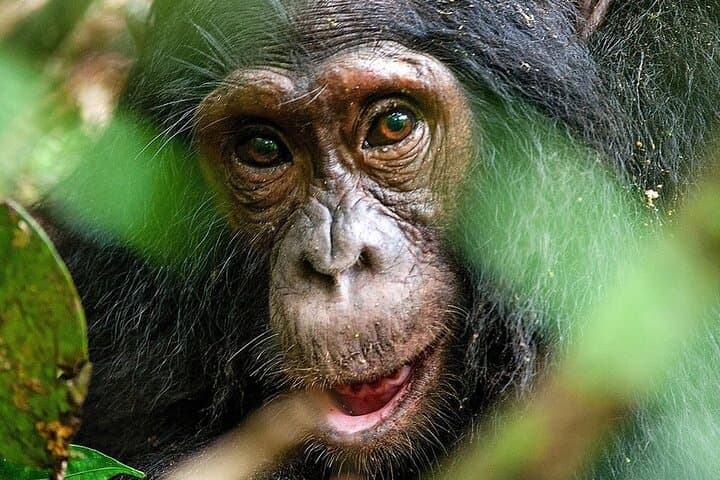
Spend three days tracking habituated chimpanzees in Kibale Forest with a morning trek and a Bigodi wetland walk. Practical briefings, lodge nights and 2–6 hour search windows make this a compact, wildlife-rich safari from Fort Portal.
Spend three days tracking habituated chimpanzees in Kibale Forest with a morning trek and a Bigodi wetland walk. Practical briefings, lodge nights and 2–6 hour search windows make this a compact, wildlife-rich safari from Fort Portal.
Dawn in Kibale arrives as a mist that slinks through tall trunks and lifts slowly to reveal the forest canopy humming with life. You begin at the park information center—coffee still warm—then follow narrow trails where leaves whisper and distant hoots announce troop movements. The forest feels deliberate; every branch seems to be watching you watch it.
Verified experiences and guided adventures in the surrounding area.
Operated by All in Africa Safaris · Fort Portal, Western Region
Dawn in Kibale arrives as a mist that slinks through tall trunks and lifts slowly to reveal the forest canopy humming with life. You begin at the park information center—coffee still warm—then follow narrow trails where leaves whisper and distant hoots announce troop movements. The forest feels deliberate; every branch seems to be watching you watch it.
Kibale Forest sits on the edge of the Albertine Rift, a stretch of ancient rainforest with rich volcanic soils and a complex geology that supports high primate diversity. The region around Fort Portal has long been part of the Toro kingdom, and tea estates and crater lakes punctuate the drive into the park.
Trekking here is practical and purposeful: guided searches for chimpanzees typically take 2–6 hours depending on where the animals are feeding, and viewing time with habituated groups is limited to about one hour to minimize disturbance. Beyond chimps you’ll encounter colobus monkeys, grey-cheeked mangabeys and a dense bird list; the Bigodi Wetland Sanctuary complements the forest trek with swamp trails that attract otters, kingfishers and forest edge species.
Prepare for humidity, muddy sections and sudden weather shifts—sturdy boots, rain protection and insect defense matter. Expect an informative briefing at the park office, a drive from Fort Portal, and lodge-based nights rather than camping. Bring binoculars and a light daypack; move quietly, follow your guide’s instructions, and let the forest set the tempo. This is an immersive wildlife walk that rewards patience and respect for a fragile ecosystem.
moderate.
3 days (2–6 hours trekking on the main day).
Good general fitness for walking on uneven, sometimes muddy trails and the ability to stand or walk for several hours.
Yes—chimp tracking requires a permit usually coordinated through Uganda Wildlife Authority or your tour operator; you will attend a mandatory briefing at the park office before setting out.
Trekking times vary with chimp locations and can last from about 2 up to 6 hours; once chimps are found, viewing is typically restricted to one hour.
Dry periods (roughly June–August and December–February) offer easier trails and less mud, though wildlife is present year-round and the wet season can boost bird activity.
Children are usually permitted but must be supervised and able to hike; travellers with spinal or severe mobility issues are not recommended due to uneven terrain—check operator rules before booking.
Kibale is part of the Albertine Rift highland belt; the forest and surrounding landscapes have long been used by the Toro people and contain colonial-era tea estates and crater lakes.
Tracking is tightly managed to reduce disturbance—stick to group limits, avoid flash photography near primates, and support lodges that contribute to local conservation and community programs.
All in Africa Safaris operates guided outdoor trips and adventures with an emphasis on safety, stewardship, and memorable experiences.


Dawn in Kibale arrives as a mist that slinks through tall trunks and lifts slowly to reveal the forest canopy humming with life. You begin at the park information center—coffee still warm—then follow narrow trails where leaves whisper and distant hoots announce troop movements. The forest feels deliberate; every branch seems to be watching you watch it.
Dawn in Kibale arrives as a mist that slinks through tall trunks and lifts slowly to reveal the forest canopy humming with life. You begin at the park information center—coffee still warm—then follow narrow trails where leaves whisper and distant hoots announce troop movements. The forest feels deliberate; every branch seems to be watching you watch it.
Kibale Forest sits on the edge of the Albertine Rift, a stretch of ancient rainforest with rich volcanic soils and a complex geology that supports high primate diversity. The region around Fort Portal has long been part of the Toro kingdom, and tea estates and crater lakes punctuate the drive into the park.
Trekking here is practical and purposeful: guided searches for chimpanzees typically take 2–6 hours depending on where the animals are feeding, and viewing time with habituated groups is limited to about one hour to minimize disturbance. Beyond chimps you’ll encounter colobus monkeys, grey-cheeked mangabeys and a dense bird list; the Bigodi Wetland Sanctuary complements the forest trek with swamp trails that attract otters, kingfishers and forest edge species.
Prepare for humidity, muddy sections and sudden weather shifts—sturdy boots, rain protection and insect defense matter. Expect an informative briefing at the park office, a drive from Fort Portal, and lodge-based nights rather than camping. Bring binoculars and a light daypack; move quietly, follow your guide’s instructions, and let the forest set the tempo. This is an immersive wildlife walk that rewards patience and respect for a fragile ecosystem.