THE ADVENTURE COLLECTIVE® · Independent discovery and booking for outdoor travel

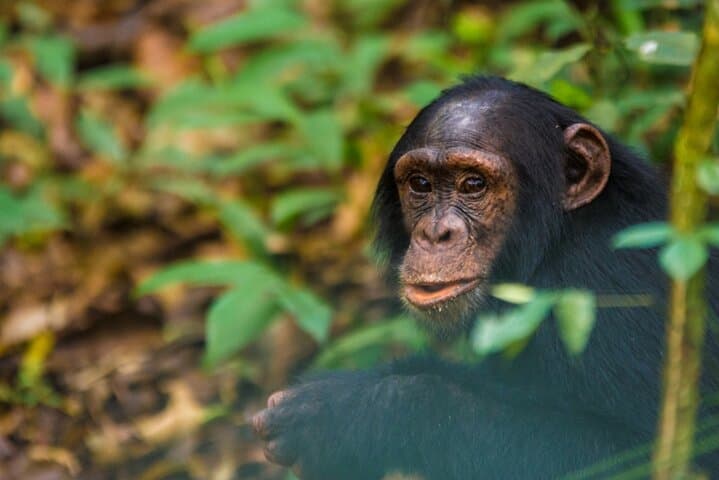
Spend three days tracking wild chimpanzees in Kibale Forest National Park, Uganda’s primate capital. This three-day itinerary pairs an intensive chimp trek with a Bigodi wetland walk and local nature stops—ideal for wildlife-focused travelers seeking guided, small-group encounters.
Spend three days tracking wild chimpanzees in Kibale Forest National Park, Uganda’s primate capital. This three-day itinerary pairs an intensive chimp trek with a Bigodi wetland walk and local nature stops—ideal for wildlife-focused travelers seeking guided, small-group encounters.
Dawn breaks through a dense green roof as the forest exhales: damp earth, trailing vines, and calls that dart between trunks. On a typical morning in Kibale Forest National Park you meet your guide at the information centre, collect a tracking permit and step onto narrow, often muddy, animal paths that climb and level in quick succession.
Verified experiences and guided adventures in the surrounding area.
Operated by All in Africa Safaris · Fort Portal, Kabarole District
Dawn breaks through a dense green roof as the forest exhales: damp earth, trailing vines, and calls that dart between trunks. On a typical morning in Kibale Forest National Park you meet your guide at the information centre, collect a tracking permit and step onto narrow, often muddy, animal paths that climb and level in quick succession.
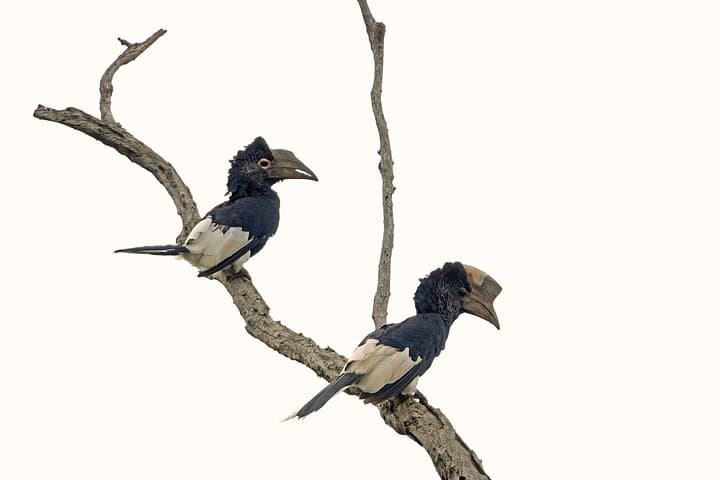
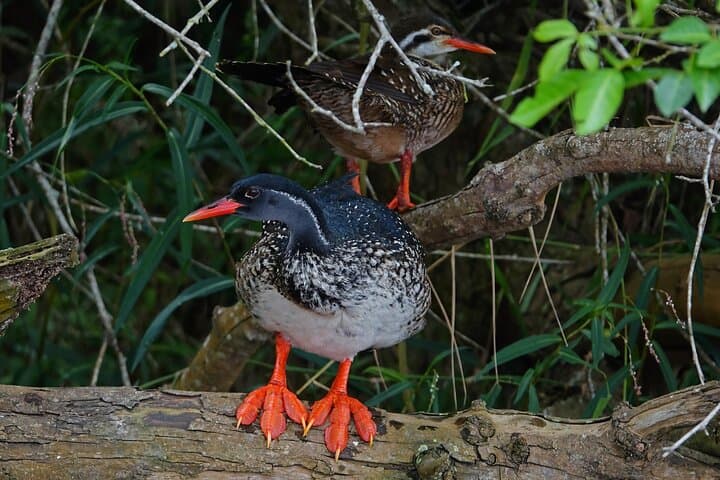
Kibale sits in Uganda's western highlands near Fort Portal, an area long studied by primatologists. The park is known for its high concentration of primates—chimpanzees, red colobus, L’Hoest’s monkeys—and a bird list topping 375 species. Geologically the forest rests on fertile volcanic soils fed by the nearby Rwenzori foothills; culturally the region is shaped by Bakiga and Toro farming communities and smallholder tea estates that frame the park's edges.
Expect variable terrain: rooted trails, swampy patches, and occasional steep gullies. Treks to find chimpanzee groups typically take 2–6 hours and cover roughly 4–12 km depending on how far the animals have moved; elevation sits around 1,300–1,600 m so mornings are cool and afternoons humid.
Practically, book permits in advance, wear grippy hiking shoes and long sleeves to fend off leeches and thorny undergrowth, and carry water and insect repellent. Guides enforce quiet, slow approaches—keep distances and avoid direct eye contact with chimps. If you add a Bigodi wetland walk after trekking, you’ll exchange dense canopy for open swamp trails where birds and swamp mammals show a different side of Kibale.
Three days gives one focused tracking day, arrival and nature-walk time, and a relaxed return to Kampala with memories of close, regulated wildlife encounters.
moderate.
3 days.
Moderate fitness needed: comfortable walking 4–12 km over uneven, sometimes steep and muddy trails.
Trekking to find chimpanzees usually takes between 2 and 6 hours and covers approximately 4–12 km, depending on where groups are located that day.
Permits are required and often limited; the tour briefing covers permit logistics—small group sizes are enforced by park rules for chimp welfare.
Quick-dry long sleeves and trousers, sturdy waterproof boots, a hat, and a light rain jacket; consider gaiters to deter leeches.
Young children and people with significant spinal issues are discouraged—treks involve uneven terrain and can include steep sections that are physically demanding.
Kibale was designated to protect a mosaic of forest and swamp that long supported local hunting and later scientific research; it has become a key site for primate study and ecotourism.
Chimp tracking is regulated with limited permits and guided approaches to minimize disturbance; support local guides and community initiatives to ensure tourism benefits conservation.
All in Africa Safaris operates guided outdoor trips and adventures with an emphasis on safety, stewardship, and memorable experiences.

Dawn breaks through a dense green roof as the forest exhales: damp earth, trailing vines, and calls that dart between trunks. On a typical morning in Kibale Forest National Park you meet your guide at the information centre, collect a tracking permit and step onto narrow, often muddy, animal paths that climb and level in quick succession.
Dawn breaks through a dense green roof as the forest exhales: damp earth, trailing vines, and calls that dart between trunks. On a typical morning in Kibale Forest National Park you meet your guide at the information centre, collect a tracking permit and step onto narrow, often muddy, animal paths that climb and level in quick succession.
Kibale sits in Uganda's western highlands near Fort Portal, an area long studied by primatologists. The park is known for its high concentration of primates—chimpanzees, red colobus, L’Hoest’s monkeys—and a bird list topping 375 species. Geologically the forest rests on fertile volcanic soils fed by the nearby Rwenzori foothills; culturally the region is shaped by Bakiga and Toro farming communities and smallholder tea estates that frame the park's edges.
Expect variable terrain: rooted trails, swampy patches, and occasional steep gullies. Treks to find chimpanzee groups typically take 2–6 hours and cover roughly 4–12 km depending on how far the animals have moved; elevation sits around 1,300–1,600 m so mornings are cool and afternoons humid.
Practically, book permits in advance, wear grippy hiking shoes and long sleeves to fend off leeches and thorny undergrowth, and carry water and insect repellent. Guides enforce quiet, slow approaches—keep distances and avoid direct eye contact with chimps. If you add a Bigodi wetland walk after trekking, you’ll exchange dense canopy for open swamp trails where birds and swamp mammals show a different side of Kibale.
Three days gives one focused tracking day, arrival and nature-walk time, and a relaxed return to Kampala with memories of close, regulated wildlife encounters.