THE ADVENTURE COLLECTIVE® · Independent discovery and booking for outdoor travel

Circumambulate Kathmandu Valley’s major stupas, durbar squares and Newar towns on a three-day Kora that mixes short walks with private transfers. Expect early mornings, cobbled lanes, woodcarving workshops and sweeping views from Swayambhunath.
Circumambulate Kathmandu Valley’s major stupas, durbar squares and Newar towns on a three-day Kora that mixes short walks with private transfers. Expect early mornings, cobbled lanes, woodcarving workshops and sweeping views from Swayambhunath.
Morning light slants across prayer flags as you begin the Kora—walking clockwise around Kathmandu Valley’s living temples and courtyards. The air carries butter-lamp smoke and the low chant of monks; whitewashed stupas and multi-tiered pagodas punctuate streets that slope toward the valley bowl. Boudhanath’s great dome dominates the first hours, its eyes tracking the course of devotees; later the gilded roofs of Pashupatinath and the brick courtyards of Bhaktapur reveal a different rhythm of ritual and craft.
Verified experiences and guided adventures in the surrounding area.
Operated by Liberty Holidays · Kathmandu, Bagmati Province
Morning light slants across prayer flags as you begin the Kora—walking clockwise around Kathmandu Valley’s living temples and courtyards. The air carries butter-lamp smoke and the low chant of monks; whitewashed stupas and multi-tiered pagodas punctuate streets that slope toward the valley bowl. Boudhanath’s great dome dominates the first hours, its eyes tracking the course of devotees; later the gilded roofs of Pashupatinath and the brick courtyards of Bhaktapur reveal a different rhythm of ritual and craft.
The valley sits on an ancient lakebed ringed by low hills, its fertile soils shaped by millennia of sedimentation and human settlement. Licchhavi and Malla dynasties left crowded palaces, carved windows and narrow lanes where Newar artisans still practice woodcarving, pottery and paubha painting. Pharping to the south adds a layer of tantric and Tibetan Buddhist history—this is where Padmasambhava’s stories meet rivers and caves.
On the ground expect cobbled streets, steep staircases at Swayambhunath, and quiet temple squares that fill with smoke and incense at sunrise. The tour blends short walks with vehicle transfers—comfortable but active: early mornings minimize crowds and heat. Practical essentials: modest clothing for temple entry, sturdy shoes for uneven cobbles, cash for small offerings and markets, and a reusable bottle—water and shade matter in midday.
This Kora is cultural walking with low altitude demands but high sensory payoffs: pottery dust, ringing bells, prayer wheels spinning like small revolutions. Move respectfully, pause for artisans, and let the valley’s layered history set the pace of your days.
easy.
3 days.
Suitable for most fitness levels; involves short walks, stairs and standing during temple visits
Yes—this tour includes entrance fees to the main heritage sites listed in the itinerary.
Yes—the itinerary is rated easy with private transfers; however, there are stairs and uneven surfaces, so mobility considerations apply.
Many nationalities can obtain a tourist visa on arrival in Nepal, but check current embassy guidance before travel.
An expert English-speaking guide is provided; other language options may be available on request.
Kathmandu Valley’s urban fabric grew under Licchhavi and Malla rulers; Newar culture developed unique temple architecture, woodcarving and communal festivals that remain central to daily life.
Respect temple grounds by minimizing litter and avoiding flash photography where prohibited; supporting local artisans keeps traditional crafts viable and reduces cultural erosion.
Liberty Holidays operates guided outdoor trips and adventures with an emphasis on safety, stewardship, and memorable experiences.
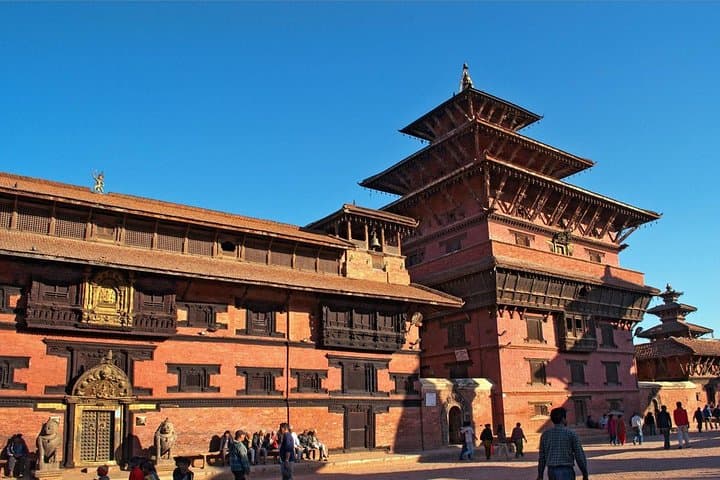
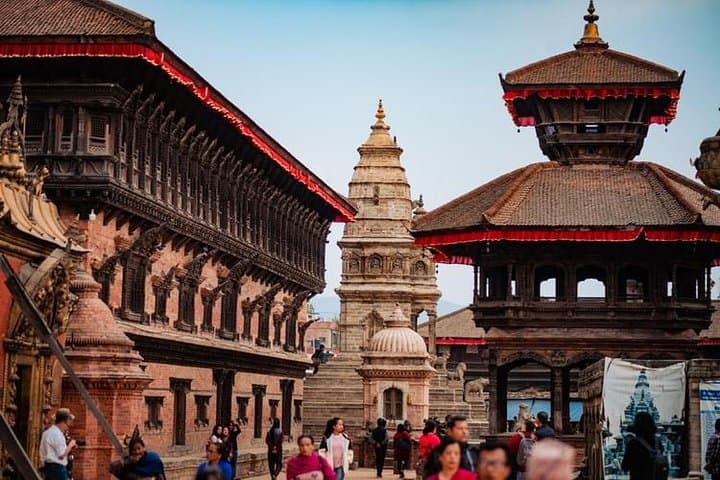
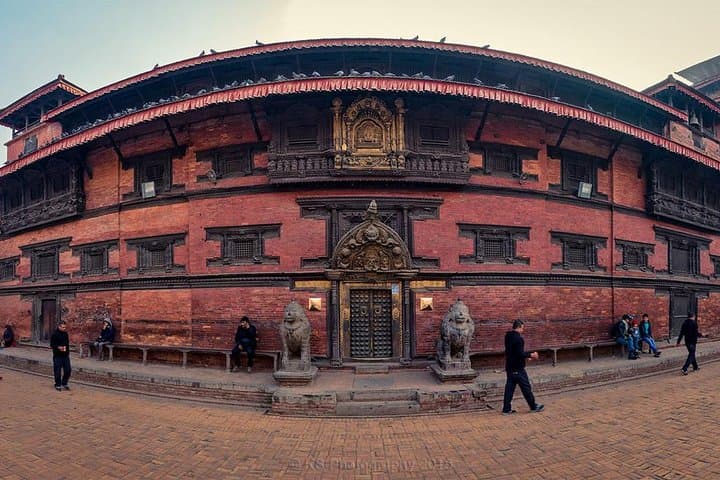
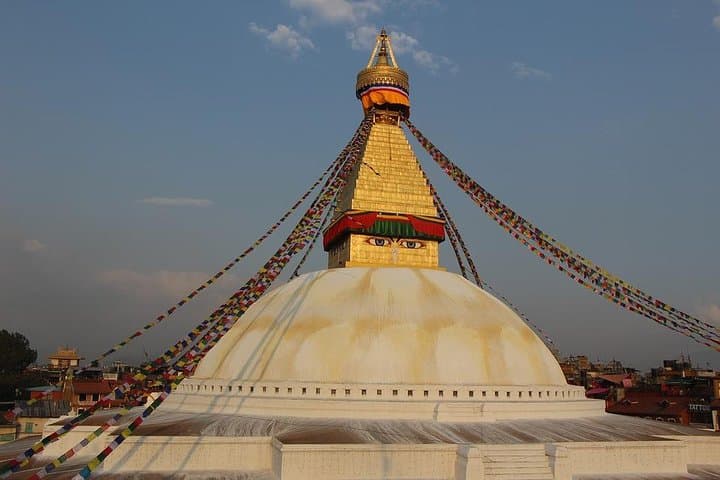
Morning light slants across prayer flags as you begin the Kora—walking clockwise around Kathmandu Valley’s living temples and courtyards. The air carries butter-lamp smoke and the low chant of monks; whitewashed stupas and multi-tiered pagodas punctuate streets that slope toward the valley bowl. Boudhanath’s great dome dominates the first hours, its eyes tracking the course of devotees; later the gilded roofs of Pashupatinath and the brick courtyards of Bhaktapur reveal a different rhythm of ritual and craft.
Morning light slants across prayer flags as you begin the Kora—walking clockwise around Kathmandu Valley’s living temples and courtyards. The air carries butter-lamp smoke and the low chant of monks; whitewashed stupas and multi-tiered pagodas punctuate streets that slope toward the valley bowl. Boudhanath’s great dome dominates the first hours, its eyes tracking the course of devotees; later the gilded roofs of Pashupatinath and the brick courtyards of Bhaktapur reveal a different rhythm of ritual and craft.
The valley sits on an ancient lakebed ringed by low hills, its fertile soils shaped by millennia of sedimentation and human settlement. Licchhavi and Malla dynasties left crowded palaces, carved windows and narrow lanes where Newar artisans still practice woodcarving, pottery and paubha painting. Pharping to the south adds a layer of tantric and Tibetan Buddhist history—this is where Padmasambhava’s stories meet rivers and caves.
On the ground expect cobbled streets, steep staircases at Swayambhunath, and quiet temple squares that fill with smoke and incense at sunrise. The tour blends short walks with vehicle transfers—comfortable but active: early mornings minimize crowds and heat. Practical essentials: modest clothing for temple entry, sturdy shoes for uneven cobbles, cash for small offerings and markets, and a reusable bottle—water and shade matter in midday.
This Kora is cultural walking with low altitude demands but high sensory payoffs: pottery dust, ringing bells, prayer wheels spinning like small revolutions. Move respectfully, pause for artisans, and let the valley’s layered history set the pace of your days.